Polyalthia suberosa
(Roxb.) Thwaites
Corky debdar
iNaturalist· cc-by-nc
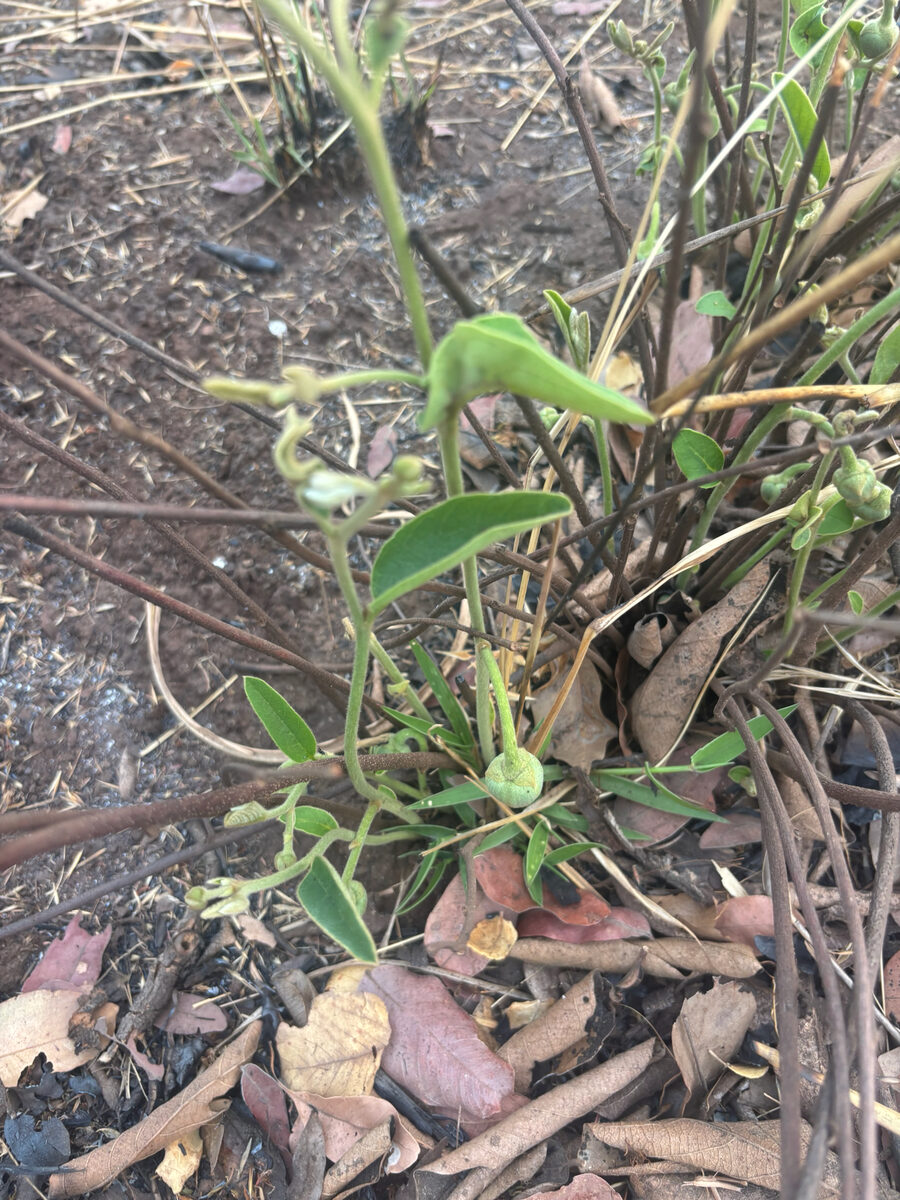
(c) Brindley, some rights reserved (CC BY-NC), uploaded by Brindley
iNaturalist· cc-by-nc
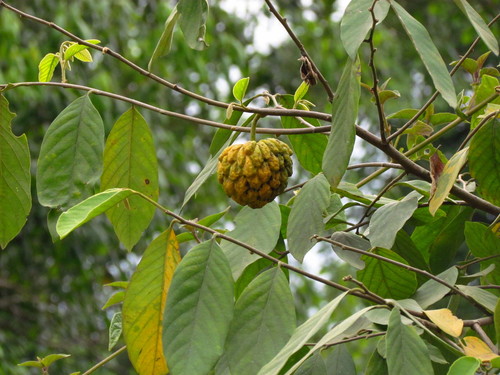
(c) Brindley, some rights reserved (CC BY-NC), uploaded by Brindley
iNaturalist· cc-by-nc
(c) Aniruddha Singhamahapatra, some rights reserved (CC BY-NC), uploaded by Aniruddha Singhamahapatra
Description
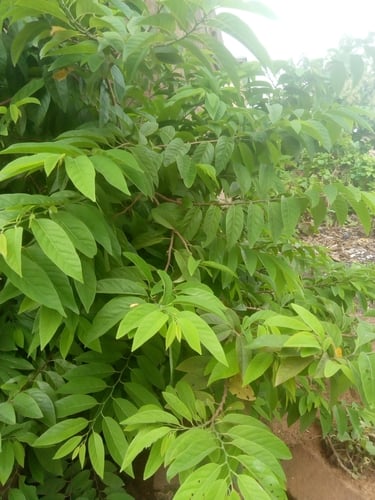
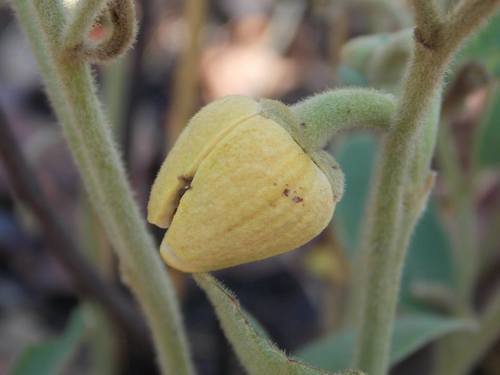
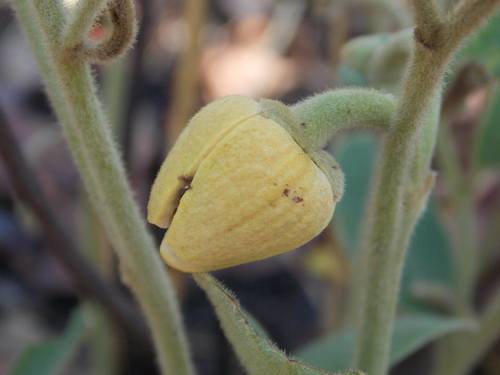
A tree or shrub. It grows 2-4 m high. The bark is thick and corky and deeply ridged. The leaves are oval or oblong and rounded at the tip. The edges are wavy. The leaves are 2-12 cm long and 1-3 cm wide. The flowers are pale yellow. They occur singly among the leaves. The fruit are in clusters. The fruit is reddish-purple. It is 6 mm across. They contain 1 or 2 seeds. The fruit are edible.
Edible Uses
The young leaves are eaten as a fresh vegetable, and the ripe fruit are eaten raw.
Traditional Uses
The young leaves are eaten as a fresh vegetable. The ripe fruit are eaten raw.
This uses section is brief — help expand it
Medicinal Uses
A decoction of the fresh roots is used as abortifacient.
Distribution
A tropical plant. It grows in open forest at lower elevations. In XTBG Yunnan.
Where It Grows
Asia, Bangladesh, Cambodia, China, Hawaii, India, Indochina, Indonesia, Laos, Malaysia, Myanmar, Northeastern India, Pacific, Philippines, SE Asia, Sri Lanka, Thailand, USA, Vietnam,
Cultivation
Plants can be grown from seeds.
Other Uses
The olive-grey wood is close-grained, hard, tough and durable. Generally too small for most purposes.
Production
In India fruit are produced April to November.
Nutrition
| Part | Moisture | kJ | kcal | Protein | Vit A | Vit C | Iron | Zinc |
|---|---|---|---|---|---|---|---|---|
| Fruit | 64.7 | — | — | 2 | — | 15.7 | — | — |
Synonyms
Also Known As
Bandor kola, Bara chali, Burhi chamri, Cham-khirni, Chilaka duduga, Habida cha, Ilang-ilang gubat tree, Karadia, Kodinaaval, Kukuriam, Lohania mossu, Makhamsra-phang, Murmuri, Pohon banitan puti, Pohon lanutan puti, Sandiome
References (14)
- Ambasta, S.P. (Ed.), 2000, The Useful Plants of India. CSIR India. p 477
- Arinathan, V., et al, 2007, Wild edibles used by Palliyars of the western Ghats, Tamil Nadu. Indian Journal of Traditional Knowledge. 6(1) pp 163-168
- Bandyopadhyay, S. et al, 2009, Wild edible plants of Koch Bihar district, West Bengal. Natural Products Radiance 8(1) 64-72
- Barwick, M., 2004, Tropical and Subtropical Trees. A Worldwide Encyclopedic Guide. Thames and Hudson p 340
- Ferns, Useful Tropical Plants
Show all 14 references Hide references
- Gardner, S., et al, 2000, A Field Guide to Forest Trees of Northern Thailand, Kobfai Publishing Project. p 42
- Hook. F., Fl. Brit. Ind. 1:65. 1872 - [As (Roxb.) Benth. & Hook. f.]
- Mahapatra, A. K., et al, 2012, Nutrient Analysis of some selected wild edible fruits of deciduous forests of India. Advance Journal of Food Science and Technology 4(1):15-21
- Misra S. & Misra M., 2016, Ethnobotanical and Nutritional Evaluation of Some Edible Fruit Plants of Southern Odisha, India. International Journal of Advances in Agricultural Science and Technology, Vol.3 Issue.1, March- 2016, pg. 1-30
- Pasha, M. K. & Uddin, S. B., 2019, Minor Edible Fruits of Bangladesh. Bangladesh J. Plant Taxon. 26(2): 299–313
- Reis, S. V. and Lipp, F. L., 1982, New Plant Sources for Drugs and Foods from the New York Botanical Garden herbarium. Harvard. p 71
- Staples, G.W. and Herbst, D.R., 2005, A tropical Garden Flora. Bishop Museum Press, Honolulu, Hawaii. p 111 (Drawing)
- Sukarya, D. G., (Ed.) 2013, 3,500 Plant Species of the Botanic Gardens of Indonesia. LIPI p 466
- Suksri, S., et al, 2005, Ethnobotany in Bung Khong Long Non-Hunting Area, Northeast Thailand. Kasetsart J., (Nat. Sci) 39: 519-533