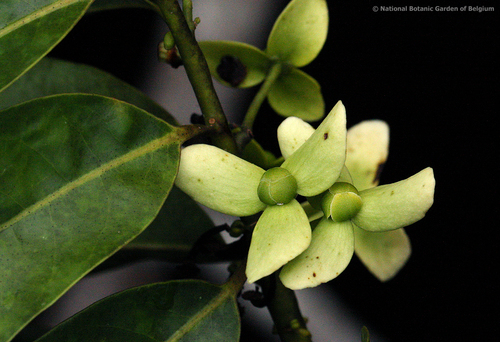
Annona acutiflora
Mart.
Acuteflower annona
iNaturalist· cc-by-nc
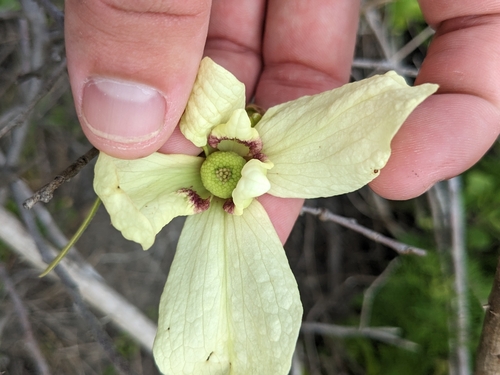
(c) Gabriel Silva Guimarães, some rights reserved (CC BY-NC), uploaded by Gabriel Silva Guimarães
iNaturalist· cc-by-nc
(c) Geovane Siqueira, some rights reserved (CC BY-NC)
iNaturalist· cc-by-nc
(c) Geovane Siqueira, some rights reserved (CC BY-NC)
Summary
Source: WikipediaAnnona acutiflora is a species of plant in the family Annonaceae. It is native to Brazil. Carl Friedrich Philipp von Martius, the German botanist who first formally described the species, named it after the inner petals which come to a sharp point (acutatus in Latin).
Description
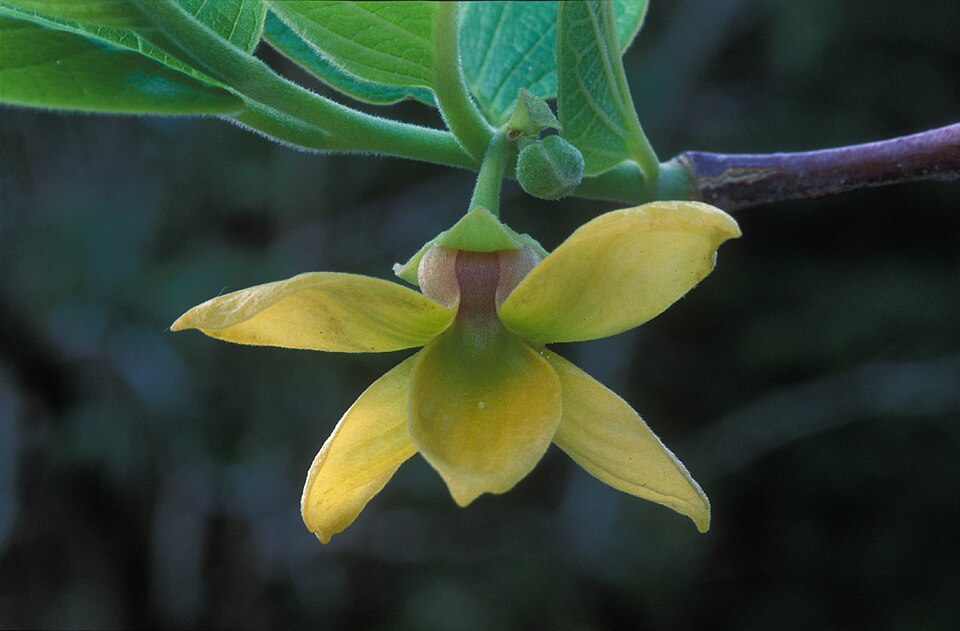
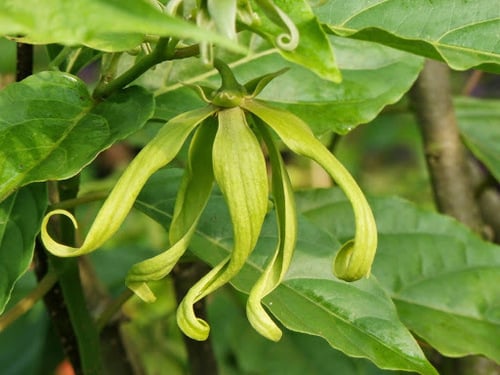
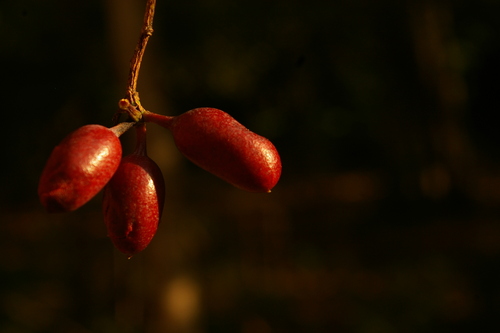
A small tree. It grows 2-4 m tall. The leaves are narrowly oval and 5-17 cm long by 2-7 cm wide. The flowers are red. The fruit are 11 cm long by 8 cm wide. It has an irregular surface. The seeds are dark brown and shiny.
Edible Uses
The pulp of the fruit is eaten.
Traditional Uses
The pulp of the fruit is eaten.
This uses section is brief — help expand it
Distribution
It is a tropical plant. It tends to be at low altitudes up to about 400 m above sea level.
Where It Grows
Brazil*, South America,
Cultivation
Grows best in a sunny position.
Also Known As
Pau de Guine
References (4)
- Grandtner, M. M. & Chevrette, J., Dictionary of Trees, Volume 2: South America: Nomenclature, Taxonomy and Ecology p 35
- Kermath, B. M., et al, 2014, Food Plants in the Americas: A survey of the domesticated, cultivated and wild plants used for Human food in North, Central and South America and the Caribbean. On line draft. p 66
- Maas, P.J. M., et al, 2001, Annonaceae from Central-eastern Brazil. Rodriguesia 52(80): 65-98
- Martin, F. W., et al, 1987, Perennial Edible Fruits of the Tropics. USDA Handbook 642 p 79