Annona cacans
Warm.
Corticao
iNaturalist· cc-by
(c) Fabrício Mil Homens Riella, some rights reserved (CC BY)
iNaturalist· cc-by
(c) Fabrício Mil Homens Riella, some rights reserved (CC BY)
iNaturalist· cc-by
(c) Fabrício Mil Homens Riella, some rights reserved (CC BY)
Summary
Source: WikipediaAnnona cacans, with the common names: araticum-cagão, araticum de paca, araticum-pacarí, is a fruit tree native to Atlantic Forest and Cerrado vegetation in Brazil and Paraguay.
Description
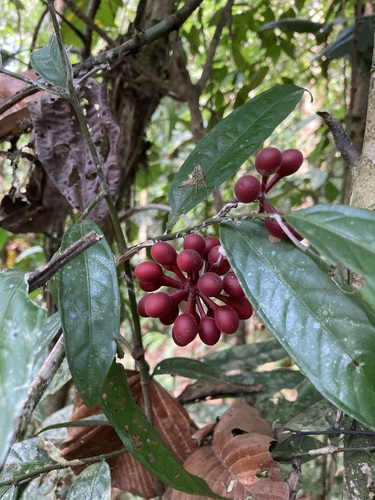
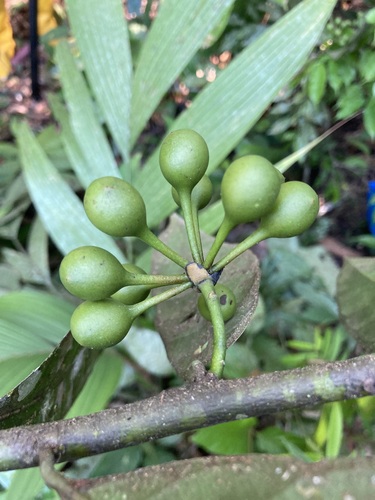
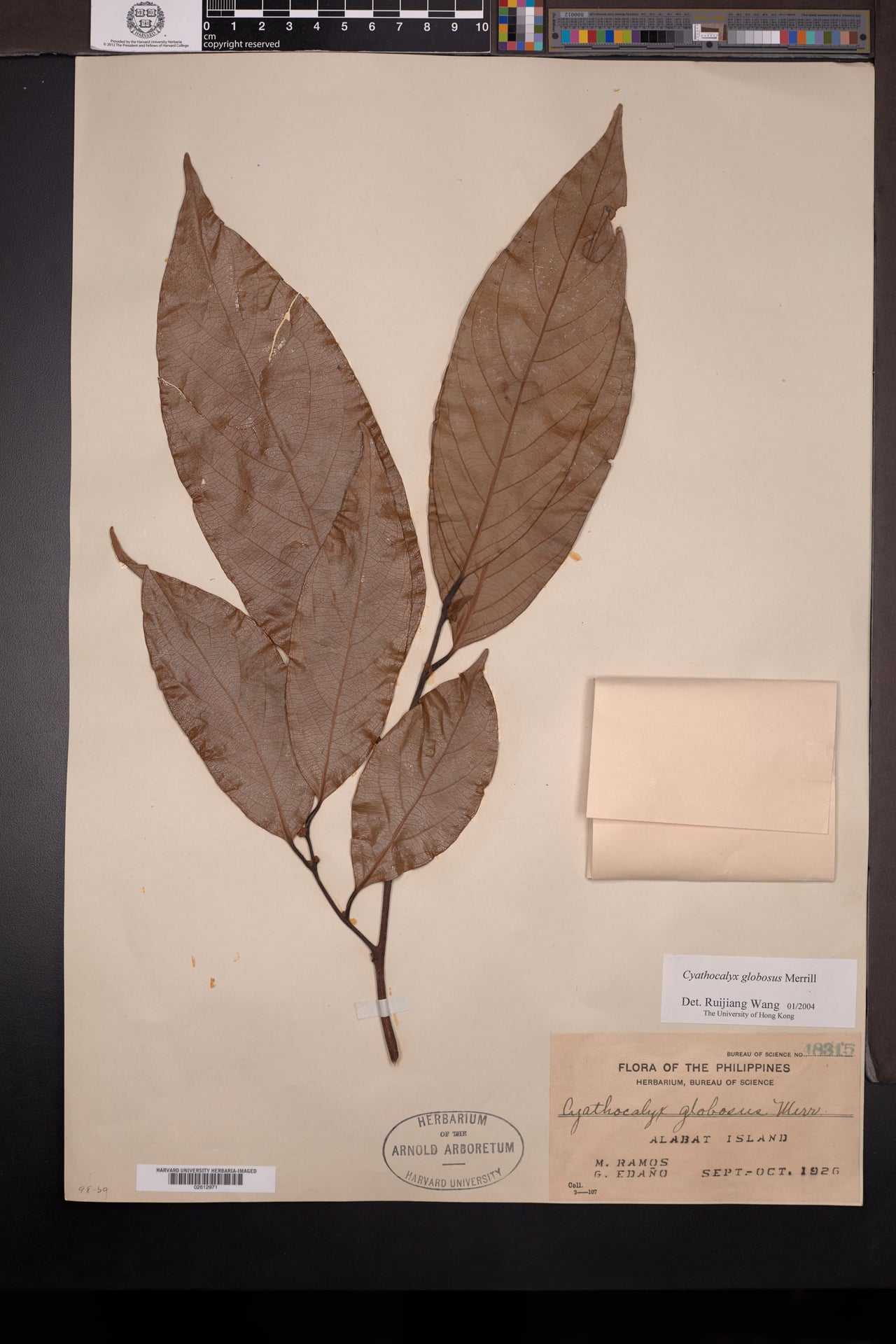
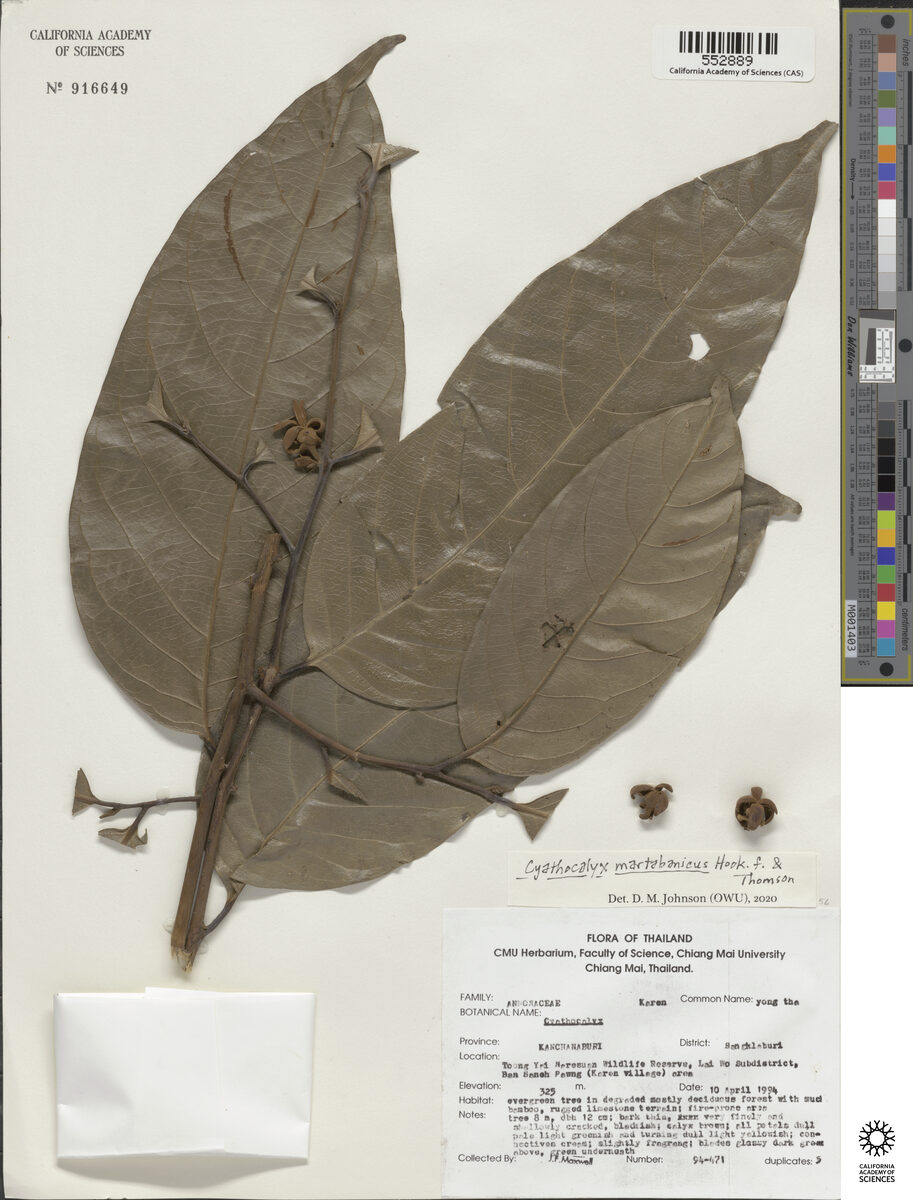
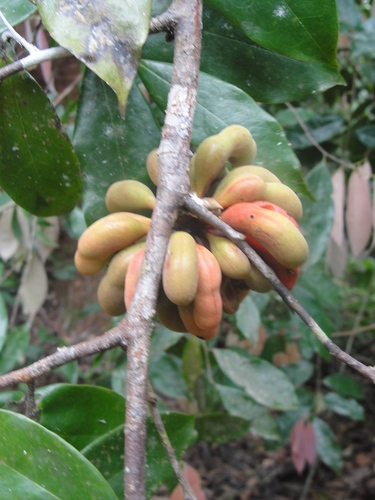
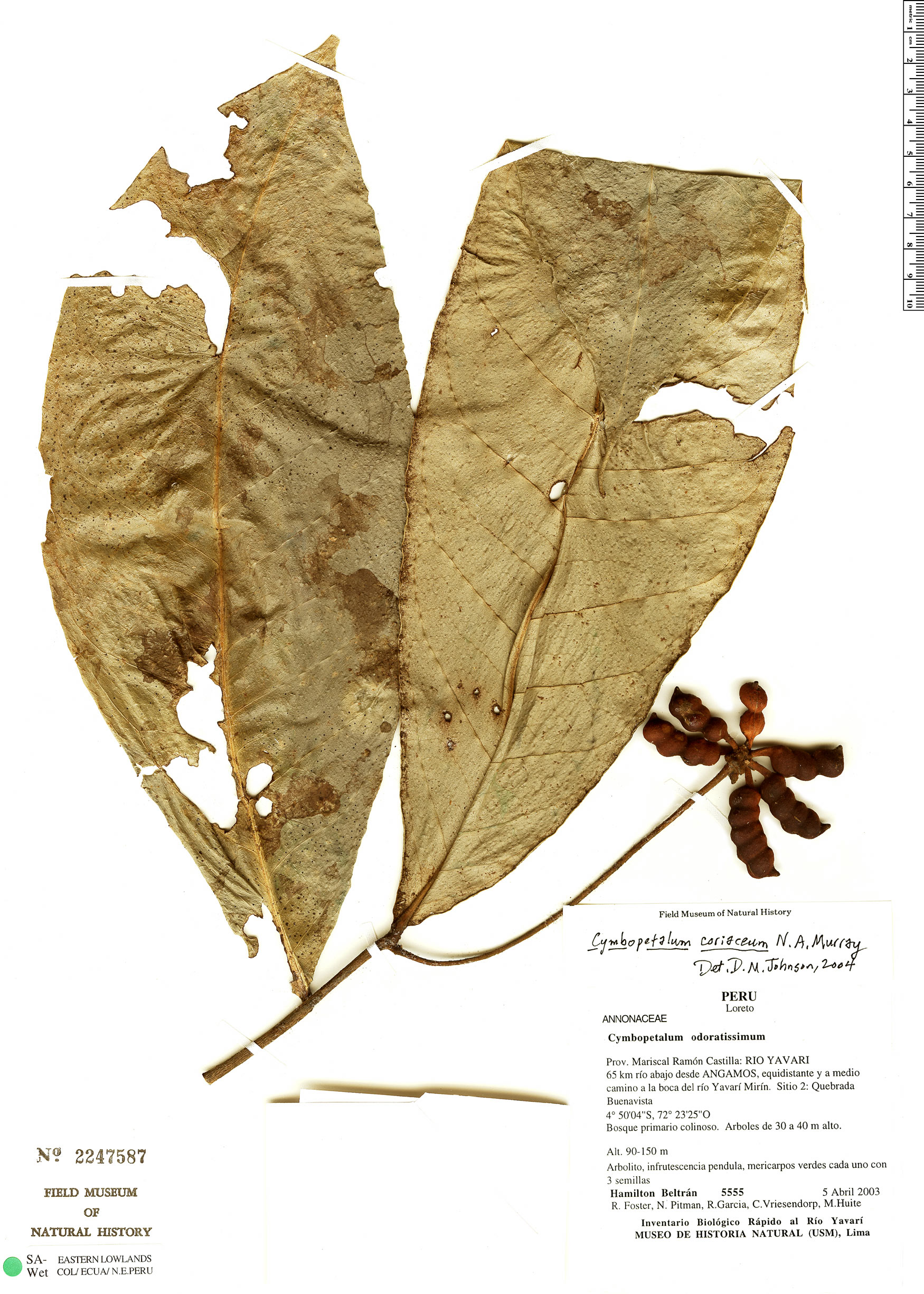
A tree. It grows 12-16 m high. The crown is smooth and round. The trunk is 50-70 cm across. The bark is thick and peels off. It loses its leaves during the year. The leaves are simple and shiny. They have leaf stalks. The leaves are 8-17 cm long and 3-6 cm wide. The flowers are in the axils of leaves. They are usually in small groups. The fruit is large and oblong. It can be 14-15 cm long. The seeds are light brown and about 1 cm long. The pulp of the fruit is sweet and juicy.
Edible Uses
Fruit - raw. The pulp is succulent and aromatic with a sweet flavour and many seeds; it is used for making juice, ice cream, and sweets. The fruit is slightly laxative, especially if eaten in quantity.The green, oblong fruit can be 13cm long and 11cm wide.
Traditional Uses
The fruit is eaten. It is used for juice, ice-cream and sweets. CAUTION: The fruit is laxative if eaten in large amounts.
This uses section is brief — help expand it
Medicinal Uses
The fruits are purgative.
Known Hazards
The fruit is laxative if eaten in large amounts.
Distribution
It is a tropical plant. It grows in highland forests in Brazil. It grows from sea level to 1,500 m above sea level.
Where It Grows
Brazil*, Middle East, Paraguay, Saudi Arabia, South America,
Cultivation
Plants can be grown from fresh seed. The seeds are washed out of the ripe pulp with water. Seeds will only store for about 6 months. The dried seeds should be scratched to break the hard seed coat before sowing. Seeds germinate in 40-80 days. Seedlings are transplanted into the field after 6 months.
Propagation
Seed - it has a very hard outer layer and germinates much more easily if scarified. This can usually be done by pouring a small amount of nearly boiling water on the seeds (being careful not to cook them!) and then soaking them for 12 - 24 hours in warm water. By this time they should have imbibed moisture and swollen - if they have not, then carefully make a nick in the seedcoat (being careful not to damage the embryo) and soak for a further 12 hours before sowing. Sow the seeds in a nursery seedbed or in individual containers in a lightly shaded position. Germination rates of scarified seeds are usually above 30%, with the seed sprouting within 40 - 80 days. Transplant nursery bed sown plants when they are 4 - 6cm tall into individual containers. They should be ready to plant out about 6 months later.
Other Uses
The wood is light in weight, not very durable, smooth to work and easy to cut. Of low value, it is only used for items such as ceiling boards, boxes and cheap toys. It is sometimes used for pulping to make paper. The wood is used for fuel, though it is of poor quality/
Production
Plants grow rapidly. They can be 4 m high in 2 years.
Synonyms
Also Known As
Anona cagona, Araticum-cagao, Araticum-de-paca, Araticum-pacari, Coracao-de-boi, Corticeira, Corticeiro, Quaresma
References (12)
- Bioversity New World Fruits Database
- Bircher, A. G. & Bircher, W. H., 2000, Encyclopedia of Fruit Trees and Edible Flowering Plants in Egypt and the Subtropics. AUC Press. p 29
- Bortolotto, I. M., et al, 2018, Lista preliminar das plantas alimenticias nativas de Mato Grosso do Sul, Brasil. Iheringia, Serie Botanica, Porto Alegre, 73 (supl.):101-116
- Brack, P., et al, 2020, Frutas nativas do Rio Grande do Sul, Brasil: riqueza e potencial alimentício. Native fruits of Rio Grande do Sul, Brazil: richness and potential as food. Rodriguésia 71: e03102018.
- Grandtner, M. M. & Chevrette, J., 2013, Dictionary of Trees, Volume 2: South America: Nomenclature, Taxonomy and Ecology. Academic Press p 36
Show all 12 references Hide references
- Kermath, B. M., et al, 2014, Food Plants in the Americas: A survey of the domesticated, cultivated and wild plants used for Human food in North, Central and South America and the Caribbean. On line draft. p 60
- Kinupp, V. F., 2007, Plantas alimenticias nao-convencionais da regiao metropolitana de Porto Alegre, RS, Brazil p 60
- Lorenzi, H., 2002, Brazilian Trees. A Guide to the Identification and Cultivation of Brazilian Native Trees. Vol. 01 Nova Odessa, SP, Instituto Plantarum p 29
- Lorenzi, H., Bacher, L., Lacerda, M. & Sartori, S., 2006, Brazilian Fruits & Cultivated Exotics. Sao Paulo, Instituto Plantarum de Estuados da Flora Ltda. p 43
- Maas, P.J. M., et al, 2001, Annonaceae from Central-eastern Brazil. Rodriguesia 52(80): 65-98
- Vidensk. Meddel. Dansk Naturhist. Foren. Kjobenhavn 1873:155. 1873
- www.colecionandofrutas.org