Annickia kummeriae
(Engl. & Diels) Setten & Maas
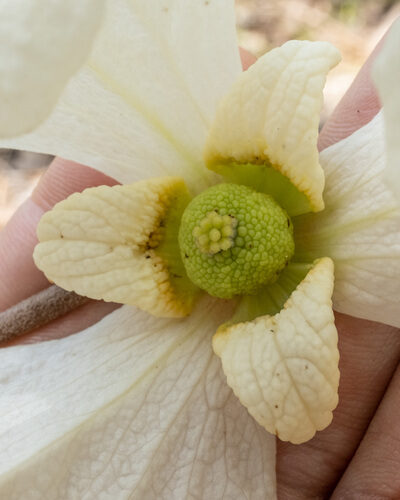
iNaturalist· cc-by-nc
(c) andreaudzungwa, some rights reserved (CC BY-NC)
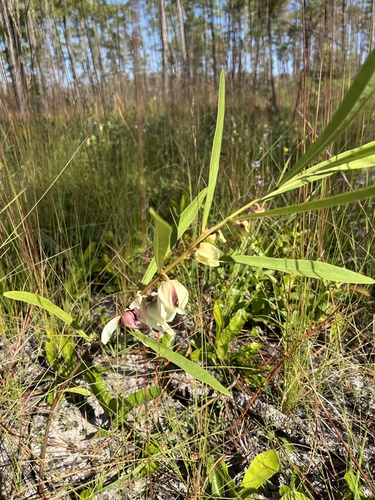
iNaturalist· cc-by-nc
(c) andreaudzungwa, some rights reserved (CC BY-NC)
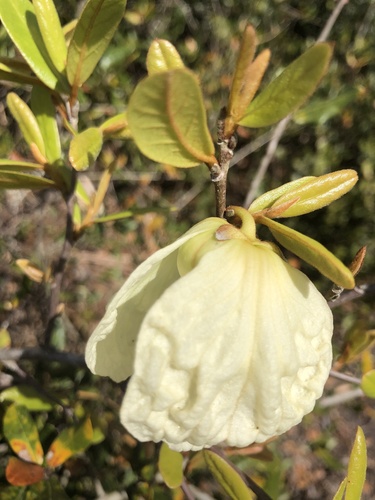
iNaturalist· cc-by-nc
(c) andreaudzungwa, some rights reserved (CC BY-NC)
Summary
Source: WikipediaAnnickia kummeriae is a species of plant in the Annonaceae family. It is endemic to Tanzania. The forests which this species is endemic to are suffering severe declines because of the use of the area for agriculture and gold mining.
Description
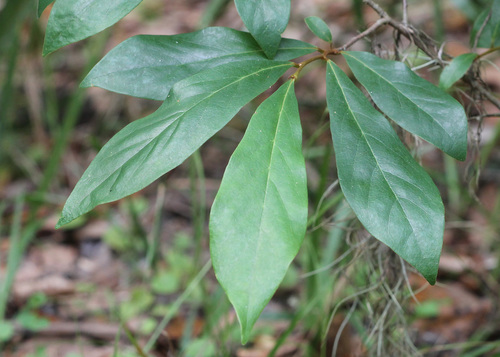
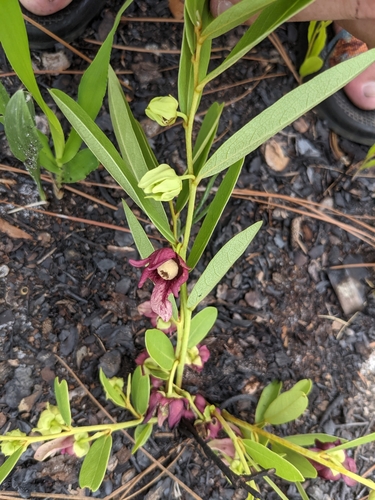
A tree. It grows 30 m tall. The bark is grey to brown. The leaves are simple and alternate. The leaf blade is 10-30 cm log by 4-9 cm wide. They are oval and wedge shaped at the base. They taper to the tip. The flowers occur singly near the axils of the leaves and are green. There are 15-30 fruit that are oblong and 3.5 cm long by 1.5 cm wide.
Edible Uses
The yellow dye from the bark is used as a spice in soup.
Traditional Uses
The yellow dye from the bark is used as a spice in soup.
This uses section is brief — help expand it
Medicinal Uses
The bark dye has traditional use as a spice in soup.
Distribution
It is a tropical plant. It grows in the lowlands and low mountain forest.
Where It Grows
Africa, East Africa, Tanzania,
Other Uses
A red dye is obtained from the wood. The bark produces a yellow dye which is used for colouring mats. The bright yellow wood is straight grained and splits easily. It is used for building poles, wooden spoons, tool handles and firewood.
Synonyms
Also Known As
Muaka, Ng'waka
References (1)
- Lovett, J. C. et al, Field Guide to the Moist Forest Trees of Tanzania. p 12