Meconopsis paniculata
(D. Don) Prain
iNaturalist· cc-by-nc
(c) equisetalean, some rights reserved (CC BY-NC)
iNaturalist· cc-by-nc
(c) equisetalean, some rights reserved (CC BY-NC)
iNaturalist· cc-by-nc
(c) equisetalean, some rights reserved (CC BY-NC)
Description
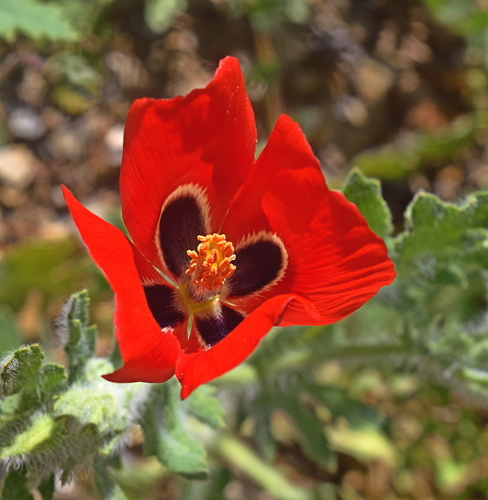
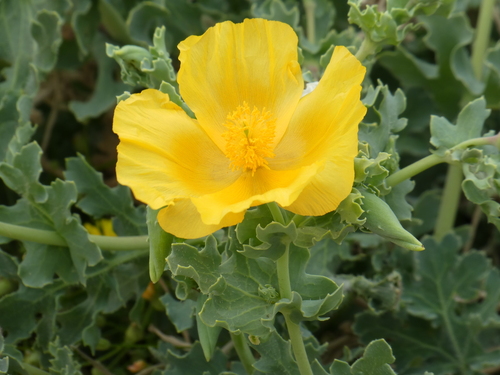
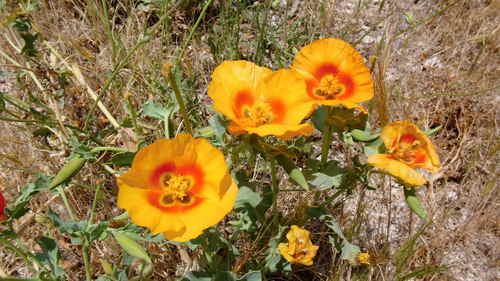
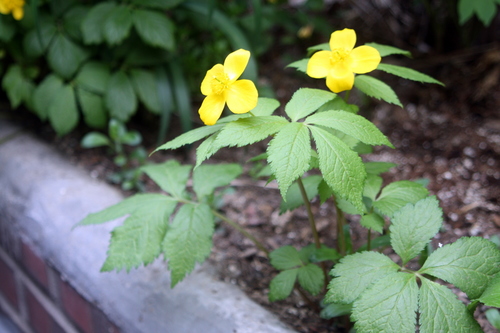
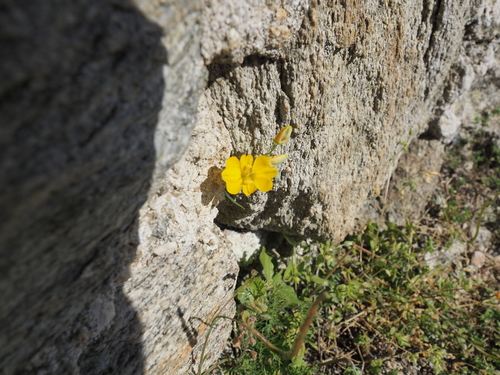
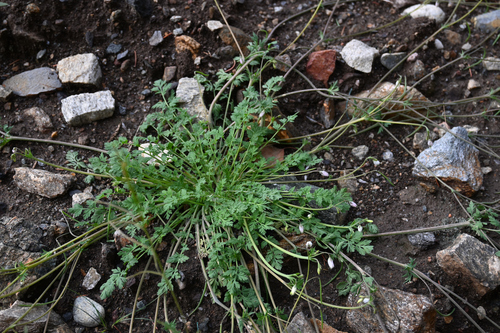
A herb. It grows 2.5 m tall in flower. It has a long narrow taproot 18 cm long by 2 cm wide. The stems are erect and covered with long bristly hairs. The leaves at the base are in a ring. They are narrowly oval with lobes along the edge. The flowers are yellow and in long clusters at the top of the plant. The fruit are oblong and have bristly hairs.
Edible Uses
The stalks are eaten raw as a salad, while the flowers, leaves, and young stems are cooked and eaten. The seeds are consumed raw.
Traditional Uses
The stalks are eaten as a salad. The flowers, leaves and young stem are cooked and eaten. The seeds are eaten raw.
This uses section is brief — help expand it
Distribution
It is a temperate plant. It grows on grassy slopes between 3,000-4,400 m above sea level in Tibet. In Northeastern India it grows between 2,800-3,900 m above sea level.
Where It Grows
Asia, Bhutan, China, Himalayas*, India, Nepal, Northeastern India, Sikkim, Tibet,
Synonyms
Also Known As
Kheldar, Langur, Ngebu metog, Ngeun metog, Upal serpo, Upa sepu
References (6)
- Ambasta, S.P. (Ed.), 2000, The Useful Plants of India. CSIR India. p 359
- Ghimire, S. K., et al, 2008, Non-Timber Forest Products of Nepal Himalaya. WWF Nepal p 108
- J. Asiat. Soc. Bengal, Pt. 2, Nat. Hist. 64:316. 1896
- Morley, B. & Everard, B., 1970, Wild Flowers of the World. Ebury press. Plate 93
- Tsering, J., et al, 2017, Ethnobotanical appraisal on wild edible plants used by the Monpa community of Arunchal Pradesh. Indian Journal of Traditional Knowledge. Vol 16(4), October 2017, pp 626-637
Show all 6 references Hide references
- Yeshi, K. et al, 2017, Taxonomical Identification of Himalayan Edible Medicinal Plants in Bhutan and the Phenolic Contents and Antioxidant Activity of Selected Plants. TBAP 7 (2) 2017 pp 89 - 106