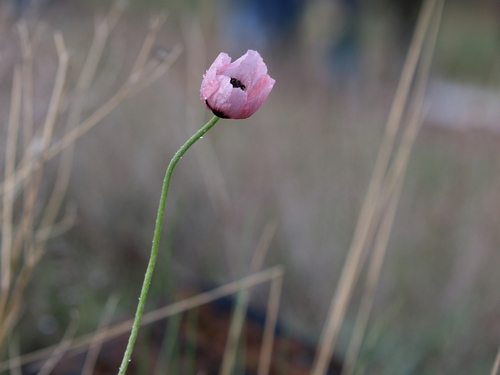
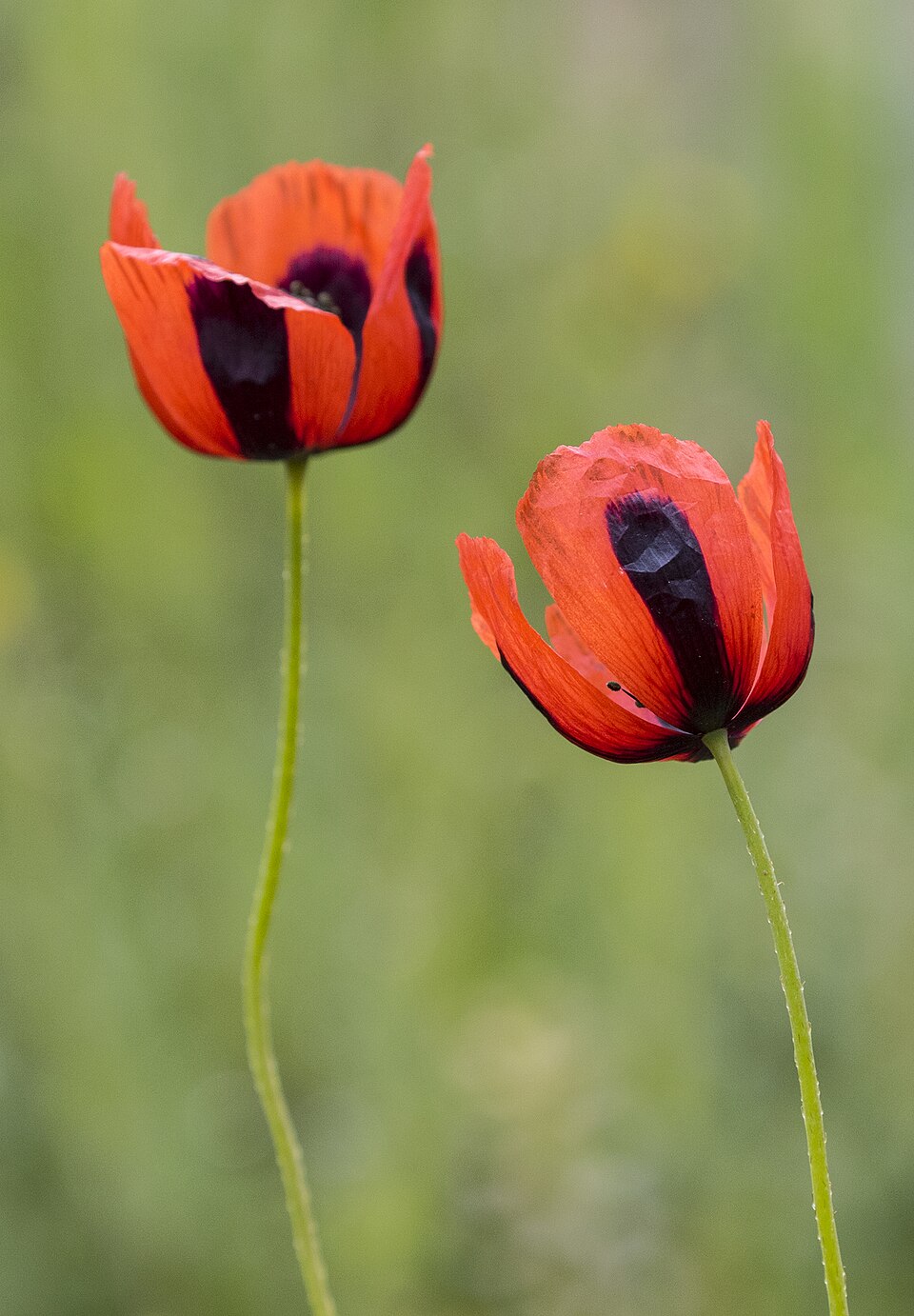
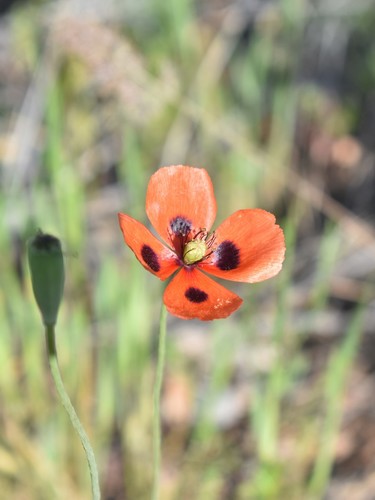
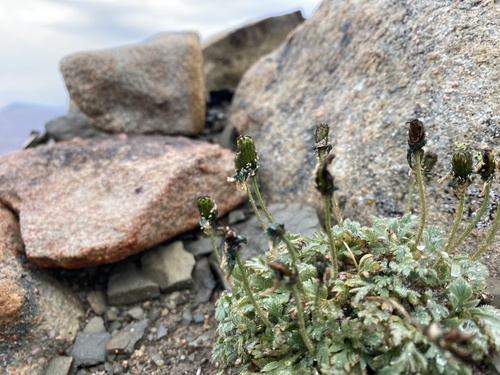
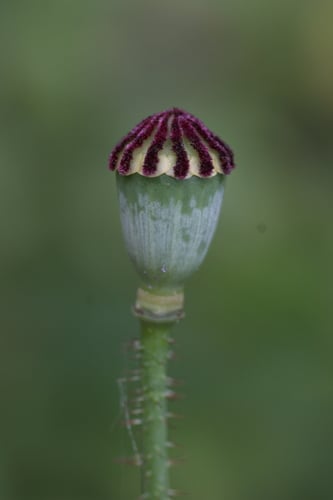
Meconopsis aculeata
Royle.
iNaturalist· cc-by
(c) Siddarth Machado, some rights reserved (CC BY), uploaded by Siddarth Machado
Description
Meconopsis aculeata is a PERENNIAL growing to 0.6 m (2ft). See above for USDA hardiness. It is hardy to UK zone 7. It is in flower from July to August, and the seeds ripen in September. The species is hermaphrodite (has both male and female organs). Suitable for: light (sandy), medium (loamy) and heavy (clay) soils and prefers well-drained soil. Suitable pH: mildly acid and neutral soils. It can grow in semi-shade (light woodland). It prefers moist soil.
Edible Uses
The plant is said to be edible but no further details are known, not even which part of the plant can be eaten.
Medicinal Uses
Analgesic Febrifuge Narcotic. The root contains narcotic principles. The entire plant is used in Tibetan medicine, where it is considered to have a bitter taste and a cooling potency. Analgesic and febrifuge, it is used to help heal broken bones, to treat inflammation from fractures and pain in the upper bodily region, especially around the ribs.
Known Hazards
The whole plant, but especially the root, is considered to be poisonous, it contains narcotic principles.
Distribution
E. Asia - W. Himalayas from Pakistan to Uttar Pradesh.
Where It Grows
TROPICAL ASIA: India (Himachal Pradesh, Jammu and Kashmir, Punjab, Uttar Pradesh)
Cultivation
Grows best in a woodland soil in partial shade. The soil should be lime-free, moist, well-drained and moderately rich. Dislikes full sun and windy positions. Monocarpic, the plants living for a number of years before flowering but then dying once they flower.
Propagation
Seed - best sown in a cold frame as soon as it is ripe in late summer. Spring sown seed is slower to germinate. When they are large enough to handle, prick the seedlings out into individual pots and plant them out in the summer.