Meconopsis napaulensis
DC.
Satin poppy, Himalayan poppy
iNaturalist· cc-by-nc
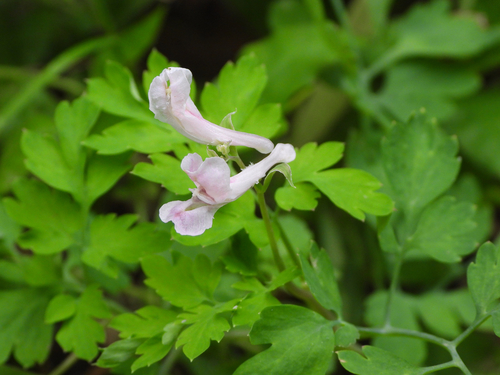
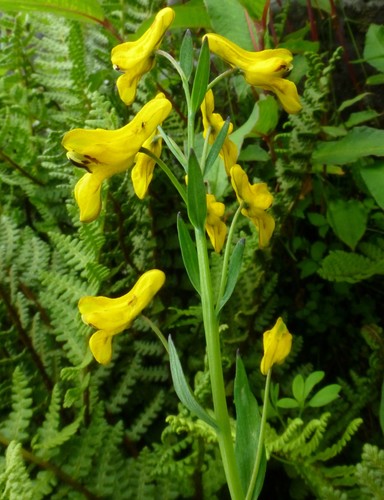
(c) T. Abe Lloyd, some rights reserved (CC BY-NC), uploaded by T. Abe Lloyd
iNaturalist· cc-by-nc
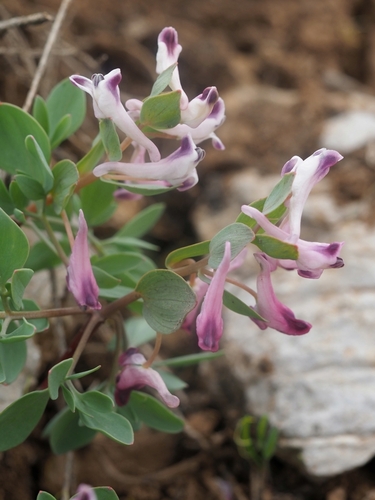
(c) T. Abe Lloyd, some rights reserved (CC BY-NC), uploaded by T. Abe Lloyd
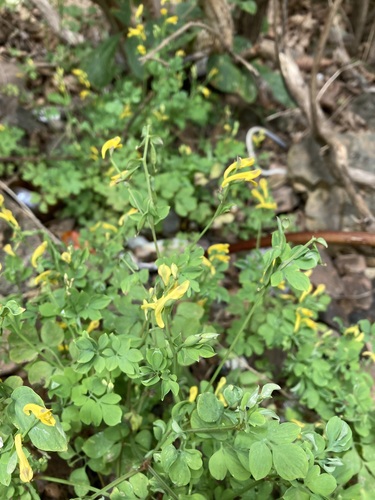
iNaturalist· cc-by
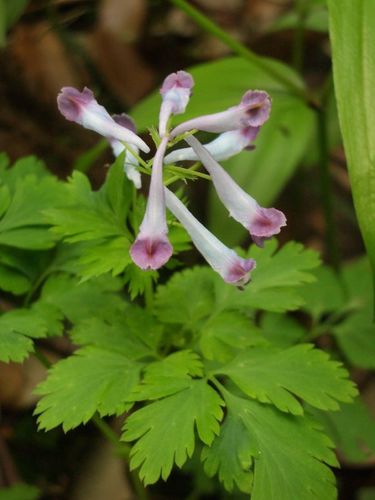
(c) Steve Kerr, some rights reserved (CC BY), uploaded by Steve Kerr
Summary
Source: WikipediaMeconopsis napaulensis, the Nepal poppy or satin poppy, is a plant of the family Papaveraceae. The plant contains beta-carbolines, which (in doses high enough) act as a psychedelic drug. However, its phytochemistry remains predominantly unstudied. Recent taxonomical reclassification by Grey-Wilson (2006) has separated 4 new species from M. napaulensis: M. chankheliensis, M. ganeshensis, M. staintonii and M. wilsonii, while M. wallichii has been reinstated. M. wallichii had been previously described in 1852 by Hooker, but was later placed under the species M. napaulensis by Taylor in 1934. In light of the current reclassification by Grey-Wilson, the description of the species M. napaulensis is subsequently much more refined. Based on the type specimen, it is only yellow in flower, with a small geographical range in central Nepal. Prior to the recent reclassification of Meconopsis napaulensis, flower colours of the species ranged between red, purple and white, and much of what is grown in gardens under the name M. napaulensis are of this colour. However, the name is now technically misapplied.
Description
A poppy plant. It is upright and keeps growing from year to year. It grows 1.8-2.4 m tall and spreads 50-80 cm wide. The stems and leaves are covered with fine brown hairs. The leaves at the base are in rings and are deeply divided into lobes along the stalk. The leaves on the stems are simple. The flowers are red or purple but can be blue. They are in drooping heads.
Edible Uses
An edible oil is extracted from the seed.
Traditional Uses
The seeds yield an edible oil.
This uses section is brief — help expand it
Medicinal Uses
The root is used as a narcotic.
Distribution
It is a warm temperate plant. It suits hardiness zones 8-10.
Where It Grows
Asia, Australia, China*, Himalayas, India, Myanmar, Nepal*, SE Asia, Tasmania,
Cultivation
Grows best in a woodland soil in partial shade. The soil should be lime-free, moist, well-drained and moderately rich. Dislikes full sun and windy positions. This species is not hardy in the colder areas of the country, it tolerates temperatures down to between -5 and -10°c. A very ornamental plant. Monocarpic, the plants living for a number of years before flowering but then dying once they flower. A fine plant for growing in open woodland. Plants are subject to 'crown rot' when they are growing in damp conditions.
Propagation
Seed is best sown in a cold frame as soon as it is ripe in late summer, as spring-sown seed is slower to germinate. Prick seedlings out into individual pots when large enough to handle and plant out during summer.
Other Uses
An oil is obtained from the seed. No other uses are known.
Synonyms
References (6)
- Ambasta, S.P. (Ed.), 2000, The Useful Plants of India. CSIR India. p 359
- Cundall, P., (ed.), 2004, Gardening Australia: flora: the gardener's bible. ABC Books. p 880
- Facciola, S., 1998, Cornucopia 2: a Source Book of Edible Plants. Kampong Publications, p 166 (As Meconopsis nepalensis)
- Hibbert, M., 2002, The Aussie Plant Finder 2002, Florilegium. p 194
- Prodr. 1:121. 1824
Show all 6 references Hide references
- Tanaka,