Pentapetes phoenicea
Linn.
Midday flower
iNaturalist· cc-by-nc
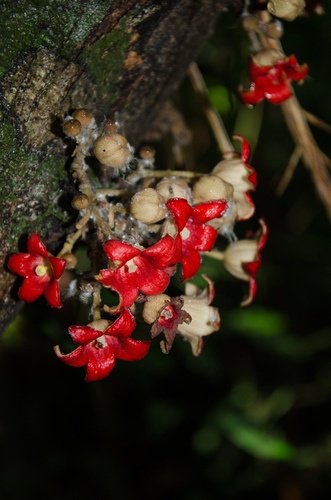
(c) Prosenjit Dawn, some rights reserved (CC BY-NC), uploaded by Prosenjit Dawn
iNaturalist· cc-by-sa
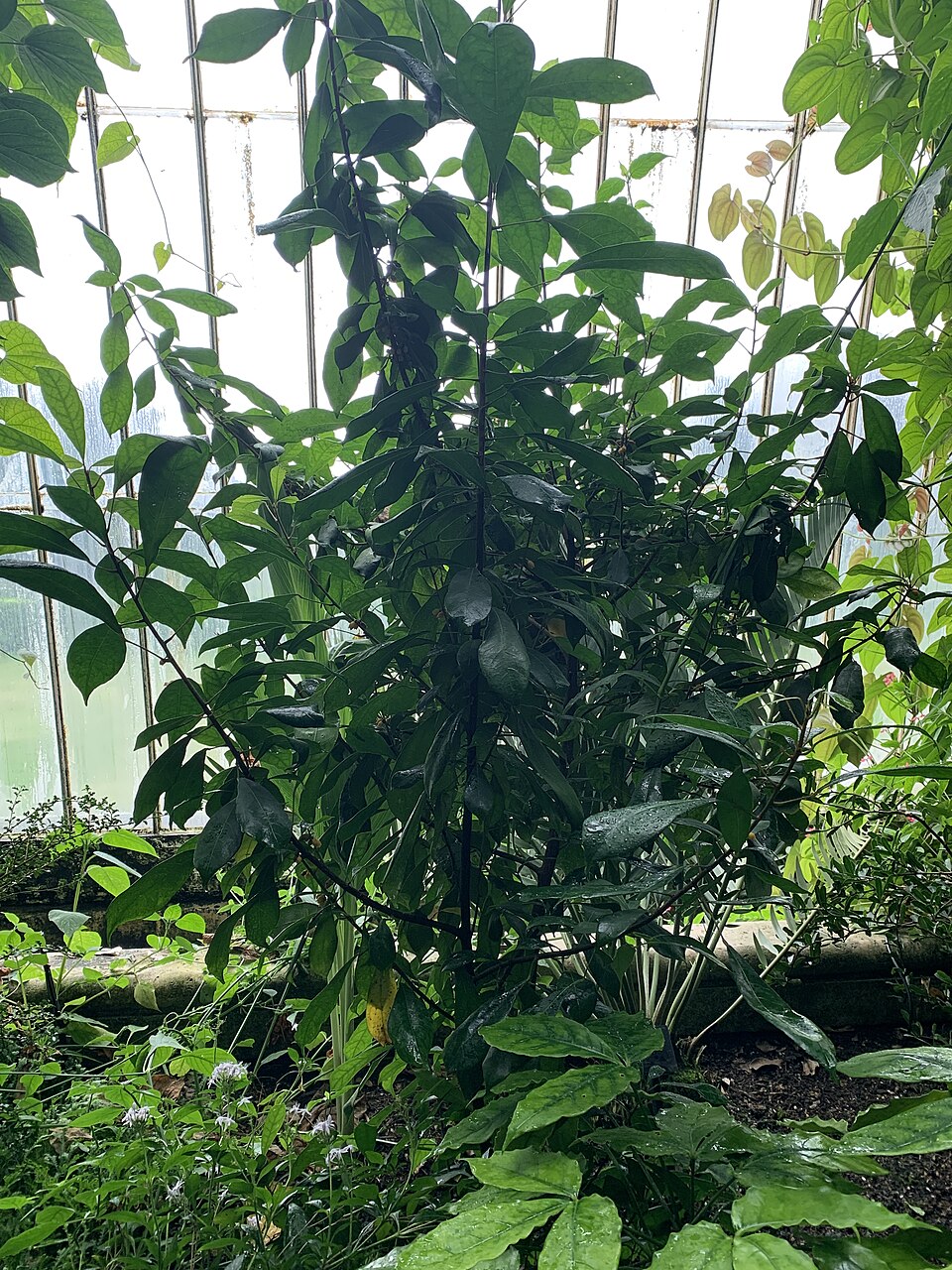
(c) Nadiatalent, some rights reserved (CC BY-SA)
iNaturalist· cc-by-sa
(c) Rushafi, some rights reserved (CC BY-SA)
Description
A herb or small shrub. It grows 0.3-1.2 m high. The flowers are 3-4 cm wide. The flower petals are red. The fruit is a 5-valved hairy capsule. The seeds are black with white processes.
Edible Uses
The leaves are used to make herbal tea.
Traditional Uses
It is used to make a herbal tea.
This uses section is brief — help expand it
Distribution
A tropical plant. It grows in wet places.
Where It Grows
Asia, Australia, Cambodia, China, Cuba, Dominican Republic, Fiji, Haiti, India*, Indochina, Indonesia, Laos, Malaysia, Pacific, Philippines, Puerto Rico, SE Asia, Sri Lanka, Thailand, Vietnam, West Indies,
Notes
Some authorities put it in the Sterculiaceae and Pentapetaceae. There is only one Pentapetes.
Synonyms
Also Known As
Arkavallabha, Ban-duja, Bandhuli, Bare baha, Bo hoang, Bunga tengah hari, Chettu, Copper cups, Dopahariya, Duporio, Dupahariya, Kat-lata, Kro chieb, Makina, Nguphuong, Paw seng, Scarlet mallow, Scarlet phoenician, Sowbhagya-sundari, Tambdi-dupari, Tambridupari, Tingo
References (8)
- Ambasta, S.P. (Ed.), 2000, The Useful Plants of India. CSIR India. p 439
- Burkill, I.H., 1966, A Dictionary of the Economic Products of the Malay Peninsula. Ministry of Agriculture and Cooperatives, Kuala Lumpur, Malaysia. Vol 2 (I-Z) p 1720
- Crevost & Petelot, 1928, Bull. Econ. Indochine p 161
- Heyne, K., 1927, p 1059
- Plants of Haiti Smithsonian Institute http://botany.si.edu/antilles/West Indies
Show all 8 references Hide references
- Smith, A.C., 1981, Flora Vitiensis Nova, Lawaii, Kuai, Hawaii, Volume 2 p 385
- Sp. pl. 2:698. 1753
- World Checklist of Useful Plant Species 2020. Royal Botanic Gardens, Kew