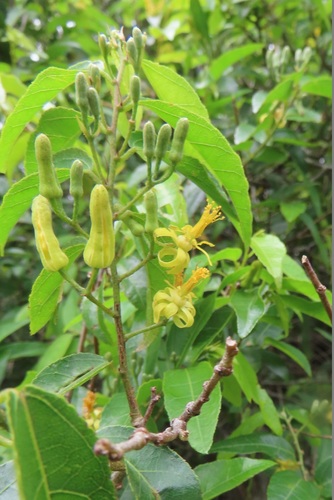
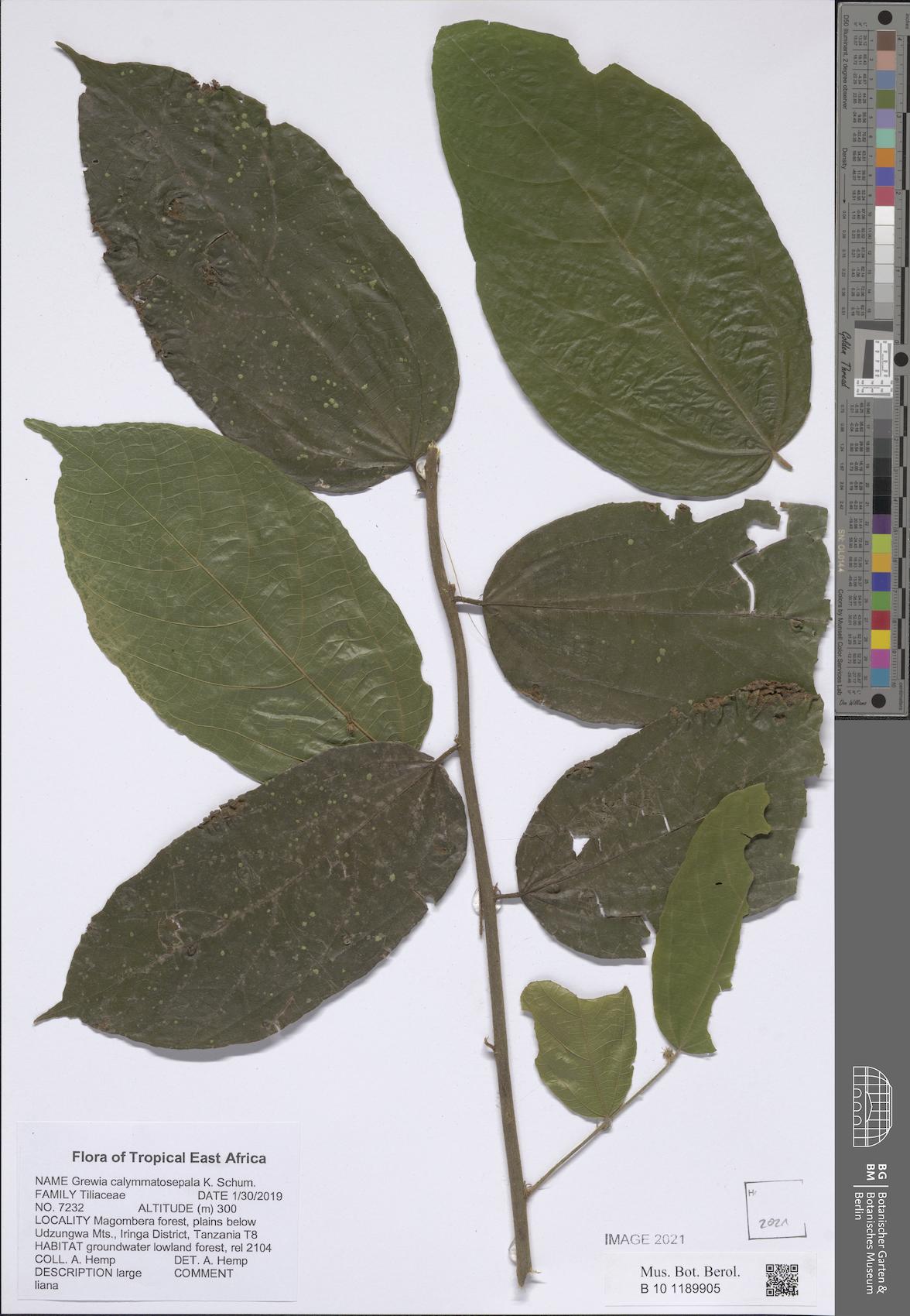
Hibiscus ludwigii
Eckl. & Zeyh.
Wild hollyhock
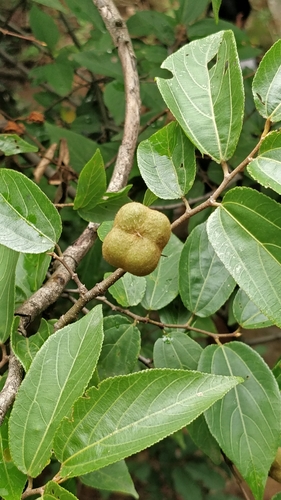
iNaturalist· cc-by-nc
(c) Sandra Falanga, some rights reserved (CC BY-NC), uploaded by Sandra Falanga
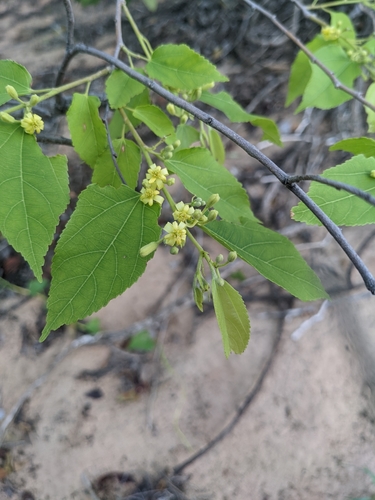
iNaturalist· cc-by-nc
(c) YvettevWijk, some rights reserved (CC BY-NC), uploaded by YvettevWijk
iNaturalist· cc-by
(c) Manuel R Popp, some rights reserved (CC BY), uploaded by Manuel R Popp
Description
A shrub. It grows 2-3 m high. The leaves are hairy. They are round and 8 cm across. There can be 3-5 small lobes. There are teeth along the edge. The flowers are large and yellow with a purple or red centre. They are 7 cm across. The fruit is an oval capsule with bristles. The seeds are smooth and almost kidney shaped.
Edible Uses
The flowers and leaves are eaten as vegetables.
Known Hazards
The stems are covered in stinging hairs.
Distribution
It is a tropical plant. It grows on the Nyika plateau in NE Zambia and Malawi. It grows on the edges of forests up to 2,400 m above sea level.
Where It Grows
Africa*, Asia, East Africa, Ethiopia, Indonesia, Malawi, Rwanda, SE Asia, Tanzania, Zambia, Zimbabwe,
Cultivation
Plants can be grown from seeds and cuttings.
Propagation
Seed - sow in situ or in containers. Germination is usually fairly rapid and no special pretreatment is needed, although germination will be faster if the seed is abraded or soaked prior to sowing. Prick out container-grown seedlings into individual pots when they are large enough to handle and plant them out into their permanent positions when they are 10cm or more tall. Cuttings of half-ripe wood in a frame. They generally strike readily, particularly if cuttings are taken on an angle through a node and rooting hormone is applied to their ends.
Other Uses
A fibre is obtained from the inner bark.
Synonyms
Also Known As
Elejai, Kororwe, Lipeke-peke, Lumaka, Umushoshwe, Waru hutan
References (4)
- Grubben, G. J. H. and Denton, O. A. (eds), 2004, Plant Resources of Tropical Africa 2. Vegetables. PROTA, Wageningen, Netherlands. p 562
- Makonda, F. B. S., & Ruffo, C. K., 2011, Species List. NAFORMA, Tanzania
- Ruffo, C. K., Birnie, A. & Tengnas, B., 2002, Edible Wild Plants of Tanzania. RELMA p 379
- Sukarya, D. G., (Ed.) 2013, 3,500 Plant Species of the Botanic Gardens of Indonesia. LIPI p 642