Hibiscus lobatus
(Murray) Kuntze
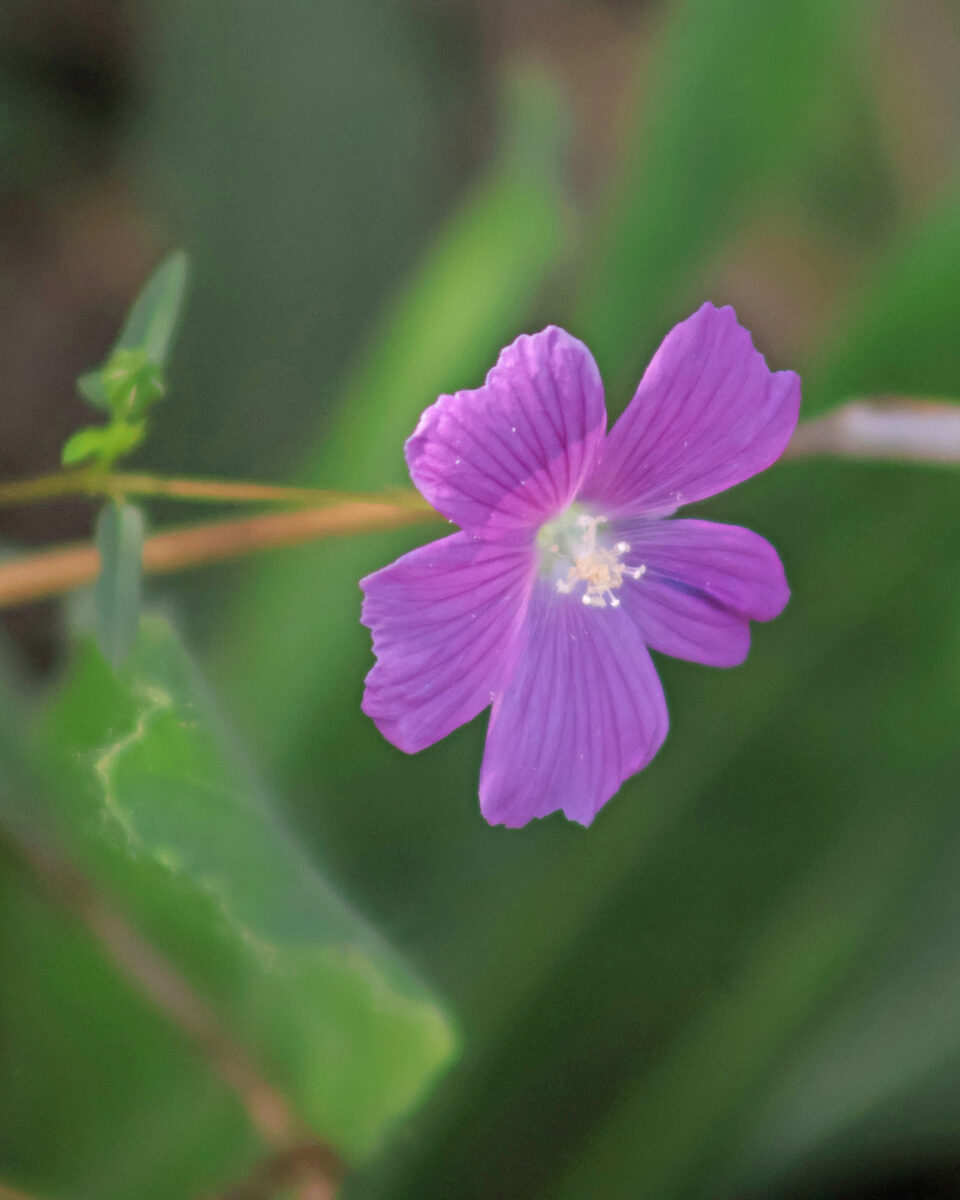
iNaturalist· cc-by
(c) Siddarth Machado, some rights reserved (CC BY), uploaded by Siddarth Machado
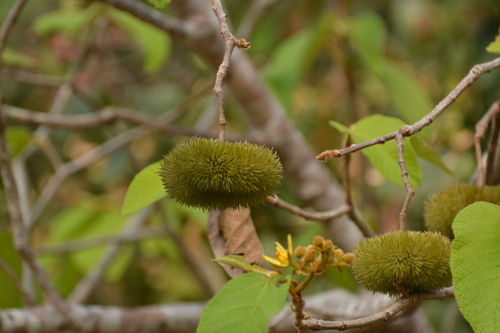
iNaturalist· cc-by-nc
(c) Shiwalee Samant, some rights reserved (CC BY-NC), uploaded by Shiwalee Samant
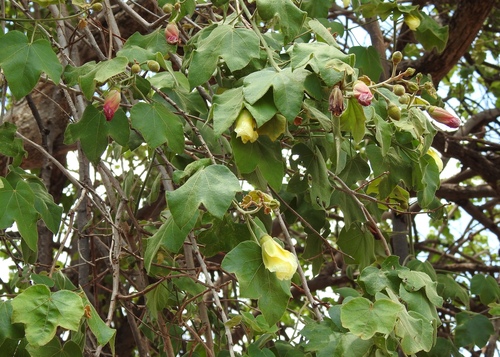
iNaturalist· cc-by-nc
(c) Anshul Gupta, some rights reserved (CC BY-NC)
Summary
Source: WikipediaHibiscus lobatus, the lobed leaf mallow, is a species of flowering plant in the family Malvaceae. It is native to parts of the seasonally dry Old World Tropics, from Senegal in Africa to Hainan in China, and it has been introduced to Trinidad and Tobago. An annual with white (or yellow) flowers, it lacks the pseudo-sepals which are found in all Hibiscus.
Description
A herb. It grows 50-70 cm tall. It is hairy. The lower leaves are oval and the leaves higher up are divided or have 3 leaflets. The lower leaves are 2 cm long by 3 cm wide. The flowers usually occur singly. The fruit is a broad capsule 7 mm across.
Edible Uses
The unripe fruit are eaten.
Traditional Uses
The unripe fruit are used.
This uses section is brief — help expand it
Distribution
It is a tropical plant. It grows in moist open forests in Hainan in China.
Where It Grows
Africa, Asia, Bhutan, Botswana, Burkina Faso, China, Himalayas, India, Madagascar, Malaysia, Myanmar, Nepal, Pakistan, SE Asia, Sri Lanka, West Africa,
Synonyms
Also Known As
Isindailay, Kattuvendai
References (1)
- Arinathan, V., et al, 2007, Wild edibles used by Palliyars of the western Ghats, Tamil Nadu. Indian Journal of Traditional Knowledge. 6(1) pp 163-168