Hibiscus hirtus
Linn.
Lesser mallow.
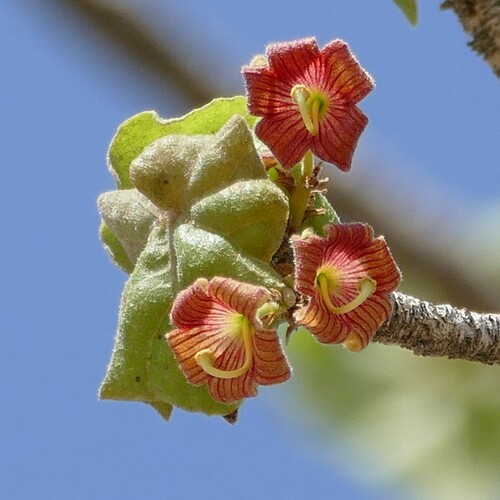
iNaturalist· cc-by-nc
(c) Anil Kumar Verma, some rights reserved (CC BY-NC), uploaded by Anil Kumar Verma
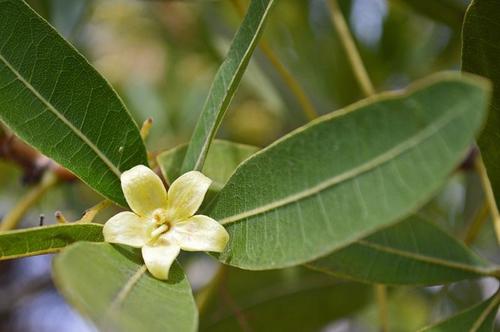
iNaturalist· cc-by-nc
(c) Radha Veach, some rights reserved (CC BY-NC), uploaded by Radha Veach
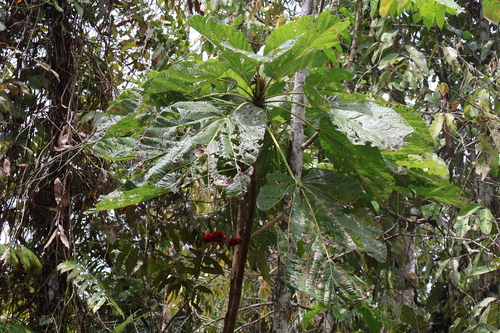
iNaturalist· cc-by-nc
(c) Paul Antony Mangaly, some rights reserved (CC BY-NC), uploaded by Paul Antony Mangaly
Summary
Source: WikipediaHibiscus hirtus, commonly known as the lesser mallow, is a species of Hibiscus found in India. It is a perennial deciduous shrub with a maximum height of about 1 meter.
Description
A herb or small shrub. It grows 1.5 m tall. The leaves have teeth along the edge. The flowers are pink or orange and smaller than most Hibiscus. They are 3 cm across. The flowers open at midday. The pods has about 12-15 seeds.
Edible Uses
The leaves are eaten as a vegetable.
Traditional Uses
The leaves are eaten as a vegetable.
This uses section is brief — help expand it
Distribution
A tropical plant.
Where It Grows
Asia, East Timor, Fiji, India, Malaysia, Pacific, SE Asia, Timor-Leste,
Cultivation
Plants are grown from seed.
Synonyms
Also Known As
Dupari, Lal-surgumini, Nareri, Suamani, Suryamani
References (3)
- Cowie, I, 2006, A Survey of Flora and vegetation of the proposed Jaco-Tutuala-Lore National Park. Timor-Lests (East Timor) www.territorystories.nt/gov.au p 50
- Hedrick, U.P., 1919, (Ed.), Sturtevant's edible plants of the world. p 345
- Smith, A.C., 1981, Flora Vitiensis Nova, Lawaii, Kuai, Hawaii, Volume 2 p 421