Gynura nepalensis
DC.
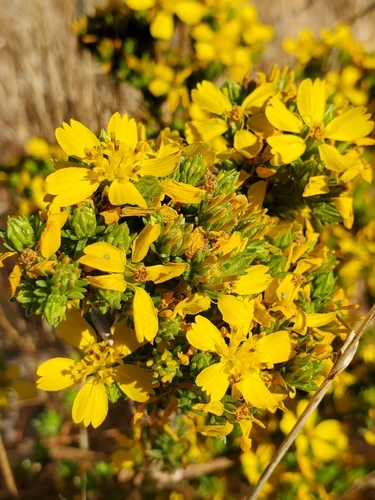
iNaturalist· cc0
no rights reserved, uploaded by John Kenrick Gibson
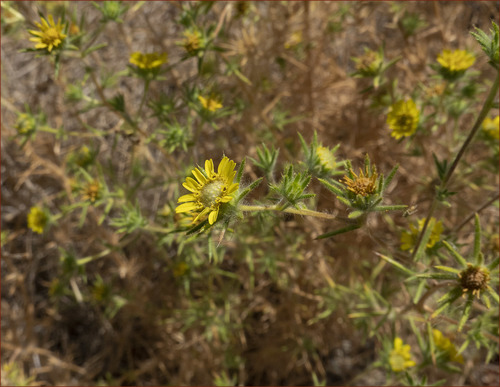
iNaturalist· cc0
no rights reserved, uploaded by John Kenrick Gibson
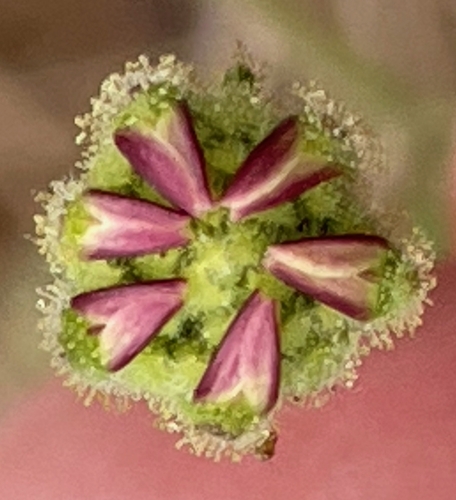
iNaturalist· cc0
no rights reserved, uploaded by John Kenrick Gibson
Description
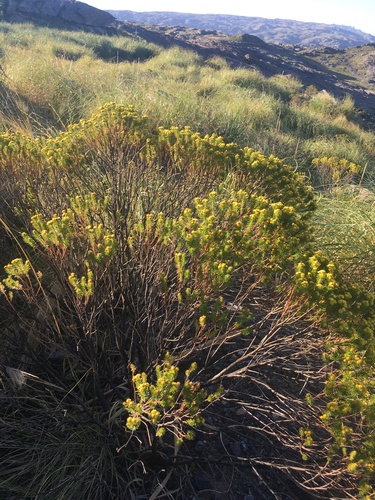
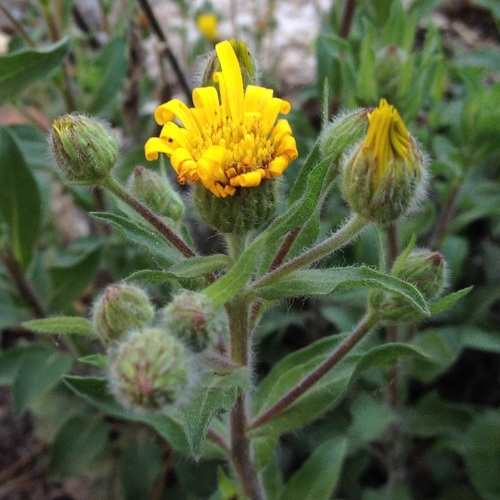
A herb. It keeps growing from year to year. It is robust and 30-45 cm tall. It is woody at the base. The leaves are on the upper part of the stem. They are narrowly oval and 3-20 cm long by 1-6 cm wide. There are several heads of flowers that are 1 cm across. They are in loose groups at the top of the plant.
Edible Uses
Young twigs and flowers are eaten raw as a vegetable. It is also used for making salt.
Traditional Uses
Young twigs and flowers are eaten raw as a vegetable. It is also used for making salt.
This uses section is brief — help expand it
Medicinal Uses
The juice of the plant is applied to cuts and wounds.
Distribution
It is a subtropical plant. It grows on rocks and the edges of fields by streams between 1,100-2,100 m above sea level in southern China. In Yunnan.
Where It Grows
Asia, Bhutan, China, Himalayas, India, Indochina, Myanmar, Nepal, Northeastern India, SE Asia, Thailand,
Cultivation
A plant mainly of the warm temperate to subtropical zones, entering the tropics in Myanmar and Thailand.
Propagation
Seed - Cuttings of half-ripe wood.
Other Information
Occasionally sold in markets.
Notes
There are about 100 Gynura species. They are mostly in the tropics.
Also Known As
Haliang-hamang, Tera paibi, Tobow
References (5)
- Gangwar, A. K. & Ramakrishnan, P. S., 1990, Ethnobotanical Notes on Some Tribes of Arunachal Pradesh, Northeastern India. Economic Botany, Vol. 44, No. 1 pp. 94-105
- Lim, T. K., Edible Medicinal and Non-Medicinal Plants Volume 7 Flowers
- Lokho, K. & Narasimhan, D., 2013, Ethnobotany of Mao-Naga Tribe of Manipur, India. Pleione 7(2): 314-324
- Prodr. 6:300. 1838
- Singh, P.K., Singh, N.I., and Singh, L.J., 1988, Ethnobotanical Studies on Wild Edible Plants in the Markets of Manipur - 2. J. Econ. Tax. Bot. Vol. 12 No. 1 pp 113-119