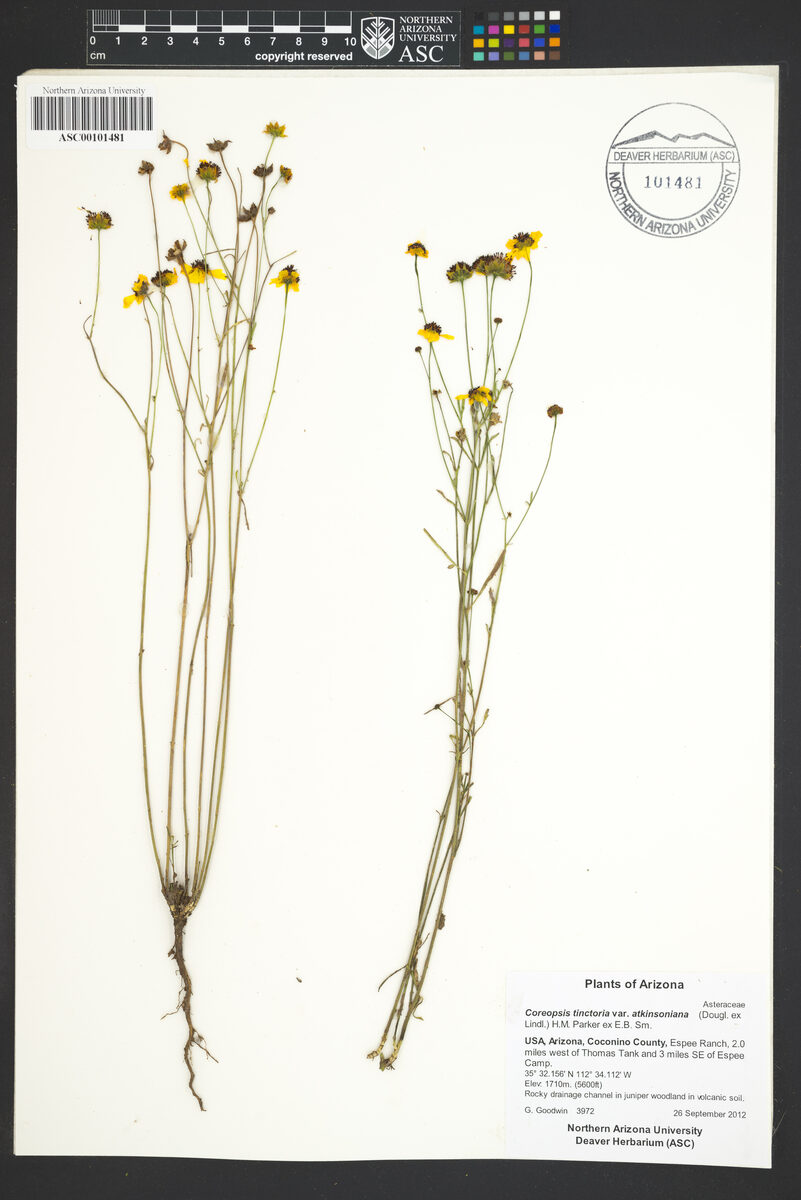
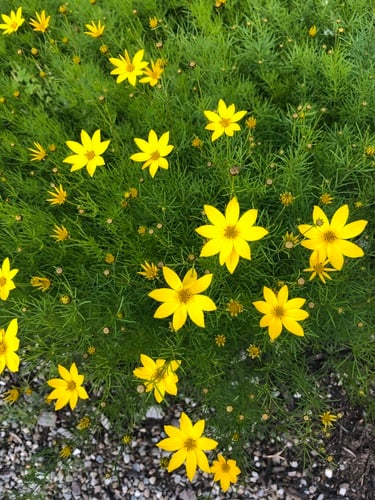
Melanthera scandens
(Schum. & Thonn.) Roberty
Waga waga
iNaturalist· cc-by-nc
(c) Mark Hyde, Bart Wursten and Petra Ballings, some rights reserved (CC BY-NC)
iNaturalist· cc-by-nc
(c) magdastlucia, some rights reserved (CC BY-NC)
Description
A scrambling herb in the Asteraceae family found in tropical West Africa, growing in waste places and forest edges. The leaves are commonly added to soups as a vegetable.
Edible Uses
The leaves are added to soups and eaten as a vegetable, though should only be consumed in small amounts.
Traditional Uses
The leaves are added to soups. Caution: It should probably only be eaten in small amounts as it can cause emptying of the bowls.
This uses section is brief — help expand it
Medicinal Uses
The whole leaves are very scabrous and can cause irritation to the skin if rubbed against it. On the other hand, when pulped, decocted or macerated, the leaves are cicatrizant. The leaves are a drastic purgative, and the leaf-sap is used to accelerate childbirth and to treat for poisoning. Rubbed with salt and then chopped up, the leaves are mixed with gin and used as an antidote against poisoning. A decoction is used as a soothing cough-mixture and to treat sore-throats and hiccups. The leaves, or preparations of them, are haemostatic and are used on cuts and wounds, chicken pox spots etc. They are said to draw up exudations from open sores, to curb inflammation, and to promote healing. The leaves are reduced to ash and then applied to wounds and burns. The leaf-sap, or a decoction with citron-juice added, is used to treat eye troubles, even for trachoma, but the treatment is irritant and is given only with some hesitation. A preparation of leaves is rubbed on the patient’s head as a treatment for epilepsy. Infusions made from leaves, stems and roots are emetic.
Known Hazards
Can cause bowel emptying if consumed in large quantities.
Distribution
It is a tropical plant. It grows in waste places and on the edges of forests in West Africa.
Where It Grows
Africa, Benin, Burkina Faso, Côte d'Ivoire, East Africa, Ghana, Ivory Coast, Liberia, Mozambique, Nigeria, Sierra Leone, West Africa, Zambia, Zimbabwe,
Cultivation
A fast-growing weed of cultivation, it has become troublesome in S Nigeria and in W Cameroons where it is deemed a pest on oil-palm plantations.
Other Uses
The twigs are used for cleaning the teeth. Bundles of the sticks are burnt to make an acrid smoke, used to drive off bees from a nest when raiding it for honey.
Production
It is fast growing.
Notes
It can be a troublesome weed.
Synonyms
Also Known As
Niania bo, Waga waga
References (6)
- Achigan-Dako, E, et al (Eds), 2009, Catalogue of Traditional Vegetables in Benin. International Foundation for Science.
- Burkill, H. M., 1985, The useful plants of west tropical Africa, Vol. 1. Kew.
- Dansi, A., et al, 2008, Traditional leafy vegetables and their use in the Benin Republic. Genet Resour Crop Evol (2008) 55:1239–1256
- Fowler, D. G., 2007, Zambian Plants: Their Vernacular Names and Uses. Kew. p 13
- Grubben, G. J. H. and Denton, O. A. (eds), 2004, Plant Resources of Tropical Africa 2. Vegetables. PROTA, Wageningen, Netherlands. p 563
Show all 6 references Hide references
- von Katja Rembold, 2011, Conservation status of the vascular plants in East African rain forests. Dissertation Universitat Koblenz-Landau p 172