Bergenia stracheyi
(Hook.f. et Thoms.) Engler
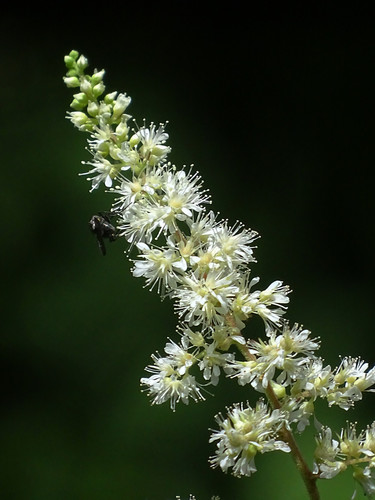
iNaturalist· cc-by
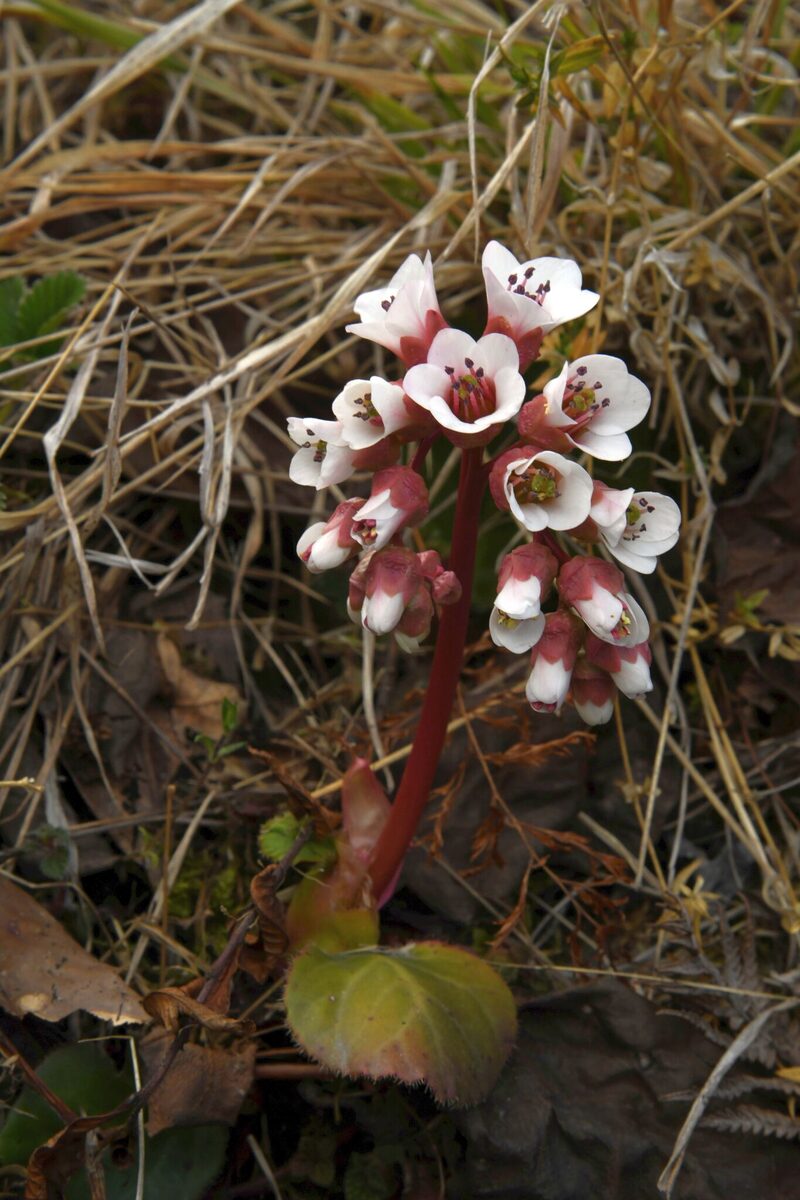
(c) Siddarth Machado, some rights reserved (CC BY), uploaded by Siddarth Machado
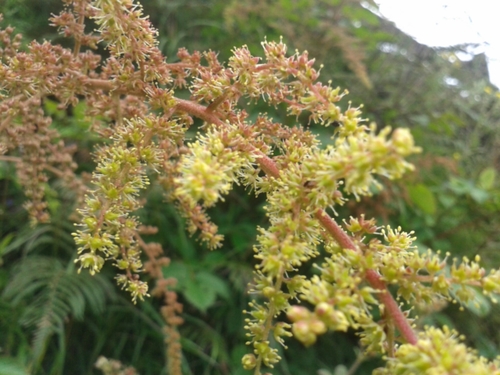
iNaturalist· cc-by
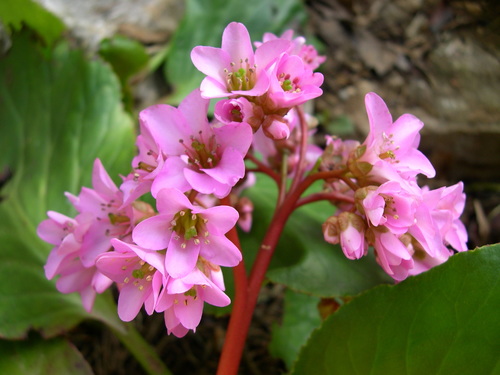
(c) Siddarth Machado, some rights reserved (CC BY), uploaded by Siddarth Machado
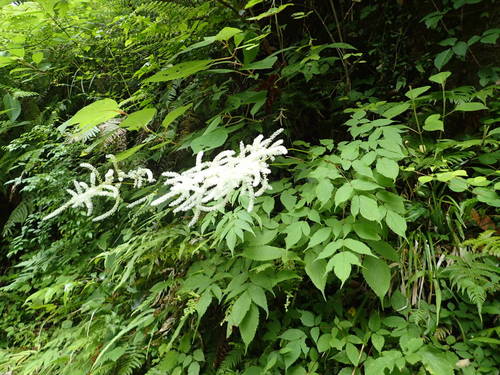
iNaturalist· cc-by
(c) Siddarth Machado, some rights reserved (CC BY), uploaded by Siddarth Machado
Summary
Source: WikipediaBergenia stracheyi is a plant species in the genus Bergenia found in the Western Himalayas, from 2700 to 4700 m, Afghanistan and Tajikistan. Bergenin and norbergenin are chemical compounds that can be isolated from rhizomes of B. stracheyi.
Description
A herb. It grows 30 cm high and spreads 40-60 cm wide. It has thick rootstocks. The rootstock has old dark brown sheaths around it. The leaves are oval and in rings. They have teeth along the edge. The leaves can be 20 cm long. The flowers are white or lilac. They can be tinged with pink. They occur in heads and have a smell.
Edible Uses
The young leaves are eaten as a vegetable and can also be dried and used for making tea.
Traditional Uses
The young leaves are used as a vegetable. They are also dried and used for making a tea drink.
This uses section is brief — help expand it
Distribution
It is a temperate plant. It grows between 2500-4500 m altitude in Uttar Pradesh in India. In Tibet it grows between 3,900-4,500 m above sea level. It grows on higher colder areas on moist rocky slopes in the Himalayas. It is best in a well-composted well-drained soil. It needs a sunny position. It is damaged by drought and frost.
Where It Grows
Afghanistan, Asia, Australia, Canada, Central Asia, China, Himalayas, India*, Nepal, North America, Pakistan, Tajikistan, Tibet,
Cultivation
It can be grown by division of the rootstock.
Notes
There are 6-8 Bergenia species.
Synonyms
Also Known As
Pukhenbheda, Silphari
References (5)
- Bodkin, F., 1991, Encyclopedia Botanica. Cornstalk publishing, p 143
- Cundall, P., (ed.), 2004, Gardening Australia: flora: the gardener's bible. ABC Books. p 232
- Negi, K.S., 1988, Some little known wild edible plants of U.P. Hills. J. Econ. Tax. Bot. Vol. 12 No. 2 pp 345-360
- Sharma, L. et al, 2018, Diversity, distribution pattern, endemism and indigenous uses of wild edible plants in Cold Desert Biosphere Reserve of Indian Trans Himalaya. Indian Journal of Traditional Knowledge. Vol 17(1) January 2018 pp 122-131
- www.efloras.org Flora of China Volume 8