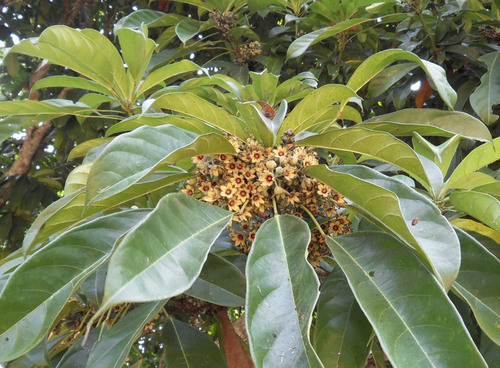
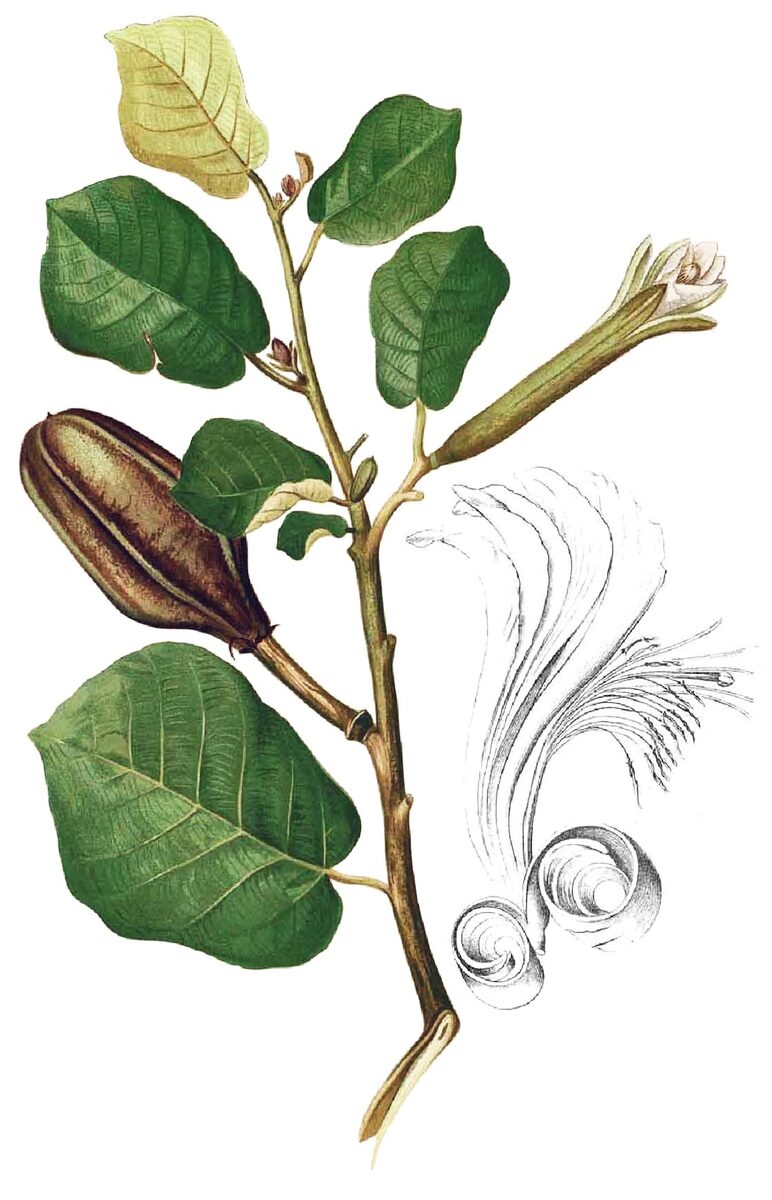
Abelmoschus manihot var. pungens
(Roxb.) Hochr.
Kabasi
gbif· cc0
Royal Botanic Garden Edinburgh
gbif· cc0
GBIF
gbif· cc-by
Royal Botanic Gardens, Kew
Summary
Source: WikipediaAbelmoschus manihot, commonly known as aibika, is a flowering plant in the family Malvaceae. It is also known as the sunset muskmallow, sunset hibiscus, or hibiscus manihot. It is a tropical subshrub or shrub native to Asia, New Guinea, and Queensland. It is cultivated and eaten as a leaf vegetable, among other uses.
Description
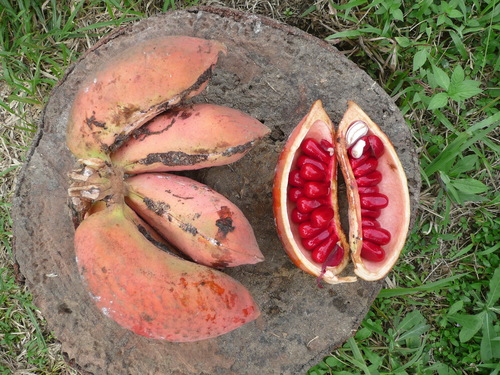
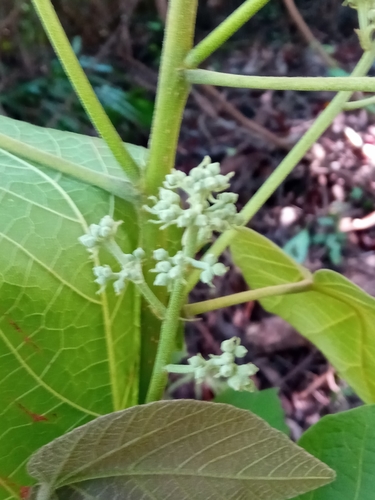
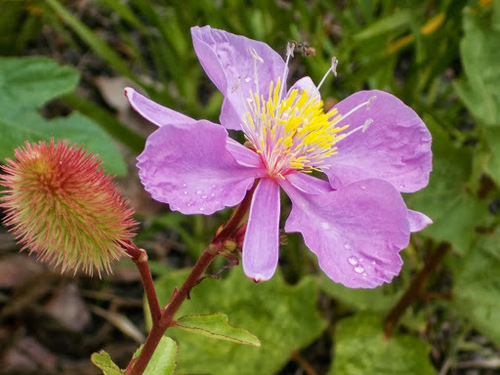
A shrub or small tree. It grows 5 m tall. There are prickles along the stem. The leaves are twice divided and there are 8-18 pairs of pinnae. There are up to 50 pairs of pinnules on each pinnae. The flowers are yellow. They are in large clusters at the ends of branches. The pods are flattened.
Edible Uses
Aibika is renowned for its highly nutritious properties. Its leaves are rich in essential vitamins, including a high content of vitamins A and C, as well as iron. Moreover, they contain approximately 12% protein by dry weight, making aibika a valuable dietary source. In the Philippines, where it is known as lagikway among other names, the leaves are commonly incorporated into various dishes such as tinola, sinigang, pinangat, or used in salads. In Indonesia, where it is known as daun gedi (gedi leaf), it is used in various dishes, most famously bubur Manado. Aibika is the most popular and commonly-consumed indigenous green leafy vegetable in Papua New Guinea.
Traditional Uses
The long tuberous roots are sweet and are eaten. The leaves are cooked as a vegetable.
This uses section is brief — help expand it
Distribution
It is a subtropical plant. It grows on open grassy slopes in India between 1000-1500 m altitude. In southern China between 1,000-1,200 m above sea level.
Where It Grows
Asia, China, India, Indochina, Himalayas, Laos, Myanmar, Nepal, Northeastern India, Philippines, SE Asia, Taiwan, Thailand, Vietnam,
Notes
There are about 15 Abelmoschus species. They are tropical and subtropical.
Synonyms
Also Known As
Bup mi, Gang mao huang, shu, kui, Kaldha
References (6)
- Fl. ind. ed. 1832, 3:213. 1832 (As Hibiscus pungens)
- Flora of China
- Hsieh, S., et al, 2013, Abelmoschus manihot var. pungens (Roxburgh) Hochreutiner (Malvaceae), A Newly Naturalized Plant in Taiwan. Taiwania, 58(2): 119–123, 2013
- Maikhuri, R, K, and Gangwar, A. K., 1993, Ethnobiological Notes on the Khasi and Garo Tribes of Meghalaya, Northeast India, Economic Botany, Vol. 47, No. 4, pp. 345-357 (As Hibiscus pungens)
- Malhotra, C.L.., et al, 1985, Additional Notes on the wild edible plants of India J. Econ. Tax. Bot. Vol 6. No.2 pp 481-482
Show all 6 references Hide references
- Candollea 2:87. 1924