Attalea colenda
(O. F. Cook) Balslev & Andr. Hend.
Colenda attalea, Palma real
iNaturalist· cc-by-nc
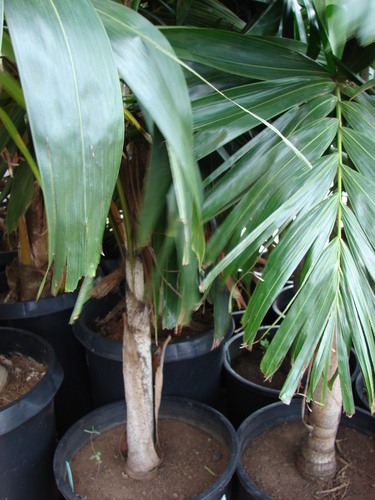
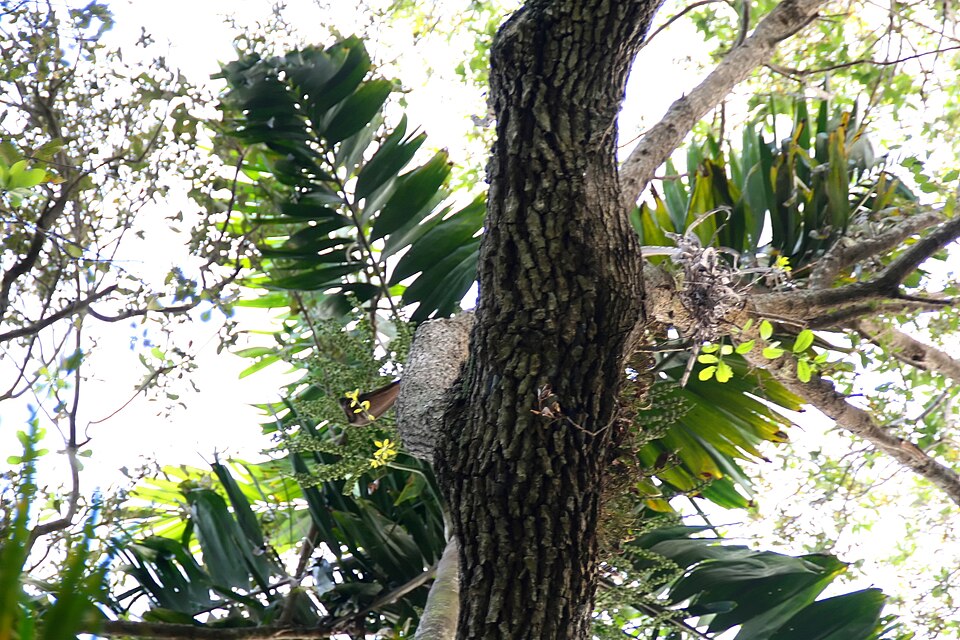
(c) Fernando García, some rights reserved (CC BY-NC), uploaded by Fernando García
iNaturalist· cc-by-nc
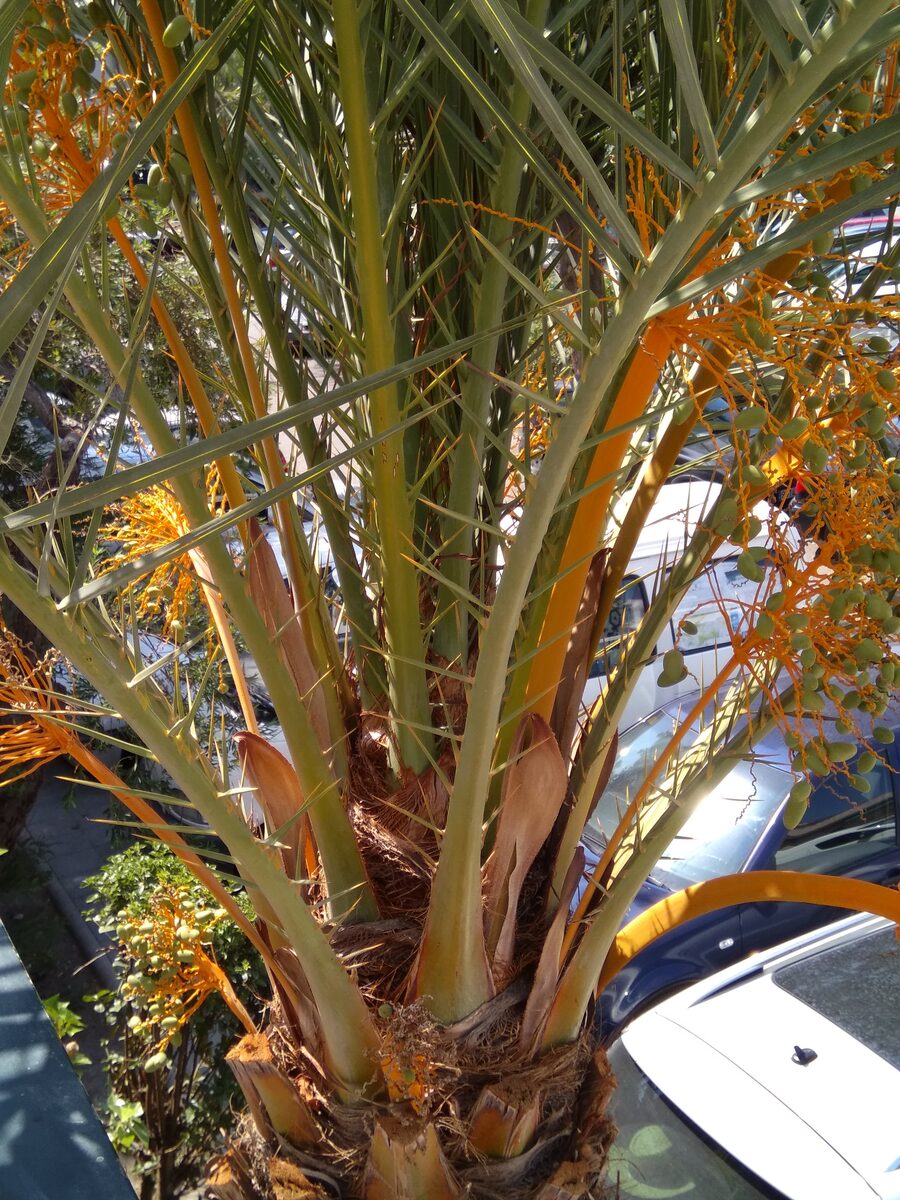
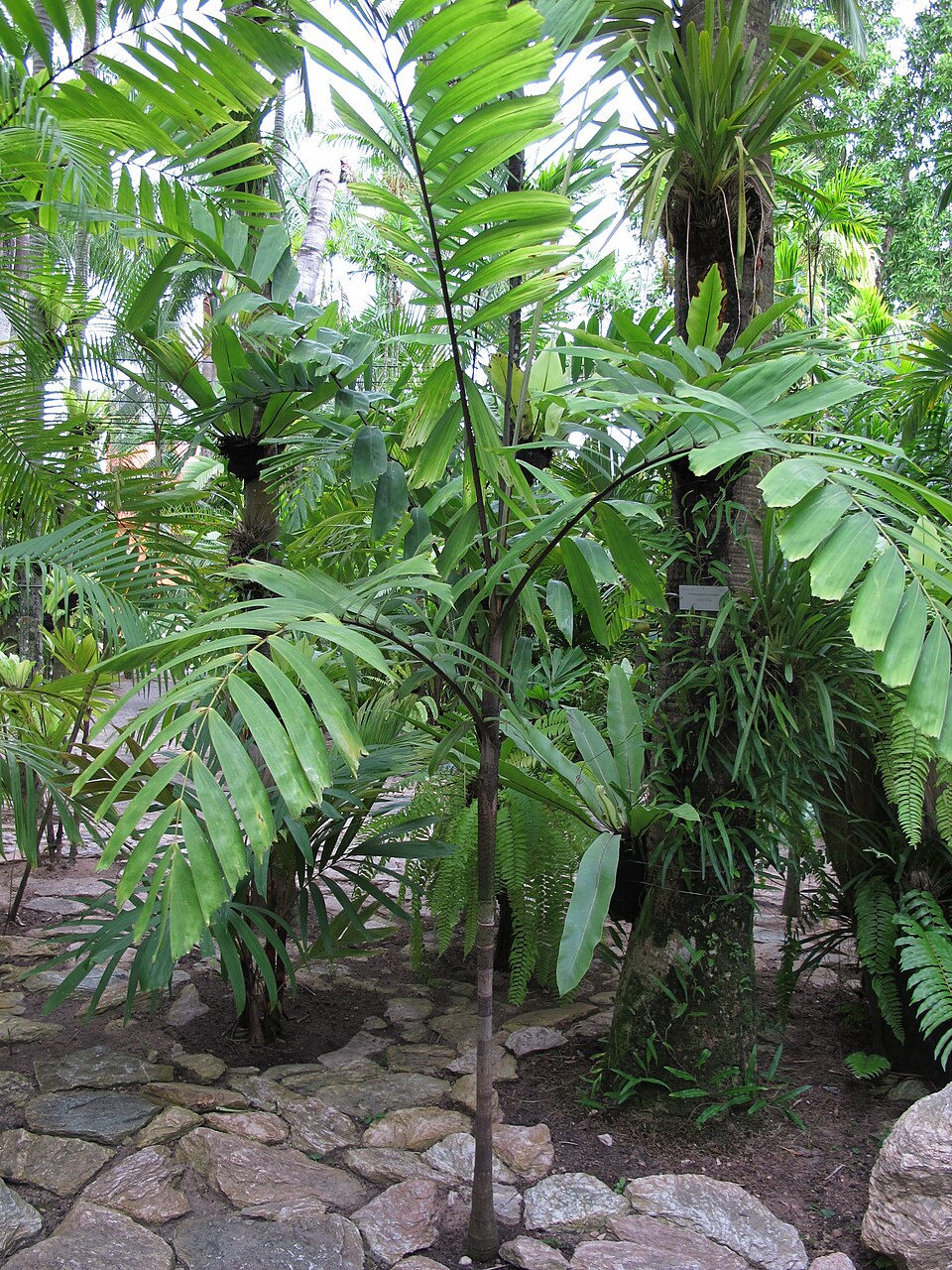
(c) jorgebrito, some rights reserved (CC BY-NC), uploaded by jorgebrito
iNaturalist· cc-by-nc
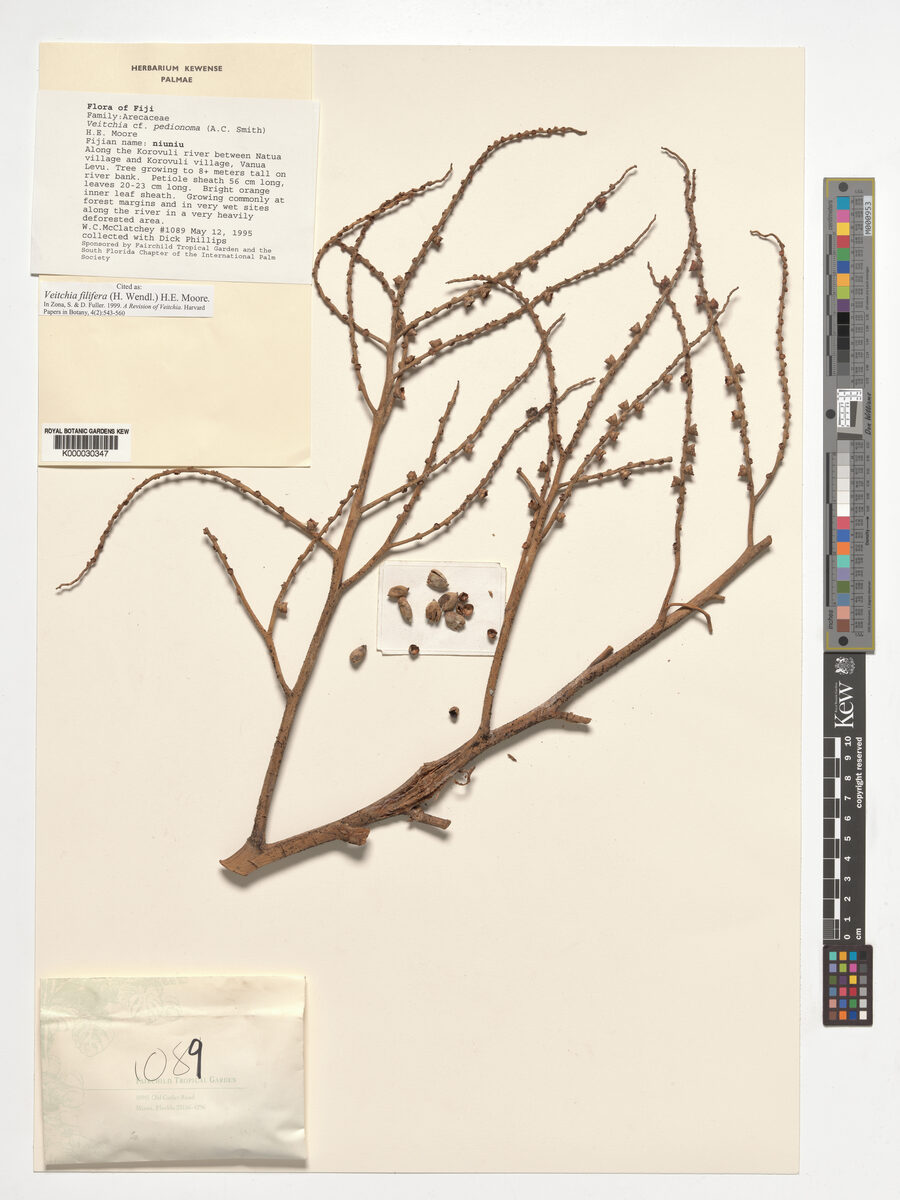
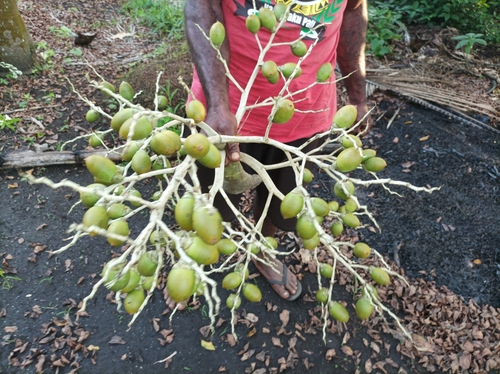
(c) jorgebrito, some rights reserved (CC BY-NC), uploaded by jorgebrito
Summary
Source: WikipediaAttalea colenda is a species of palm tree native to Colombia and Ecuador.
Description
A large palm. It grows to 30 m tall. The trunk is thick. It is 30-50 cm across. There are 15-25 leaves. The leaves are long and upright and divided into leaflets along the stalk. The leaflets are regularly arranged and spread in the same plane. The flowering stalk is borne among the leaves. The fruits are large and oily. They are oval and 6 cm long. They hang down among the leaves. The fruit clusters are orange but turn pale brown when ripe. They are carrot shaped. They are 6 cm long.
Edible Uses
Edible Parts: Fruit Oil Seed Edible Uses: Oil Edible portion: Seeds, oil. An oil extracted from the seed is used for cooking. Similar to coconut and African oil palm. The infructescences of this species are unusually large and heavy, with some of them weighing more than 100 kilos; an assay of the individual seeds showed 51.74% oil and 4.28% water.
Traditional Uses
Oil can be extracted from the seeds.
This uses section is brief — help expand it
Medicinal Uses
None known
Distribution
It is a tropical plant. It normally grows between 400-500 m altitude in Ecuador. It can grow up to 1300 m altitude.
Where It Grows
Andes, Colombia, Ecuador, South America,
Cultivation
The seeds are large and slow and erratic to germinate.
Propagation
Seed - The seeds are large and slow and erratic to germinate.
Other Uses
Fibre Oil Pioneer Other uses rating: Medium (3/5). Other Uses A long fibre with commercial value can be obtained from the leaf petiole margins. Special Uses Food Forest
Production
Seedling grown is quite fast.
Other Information
It is cultivated.
Notes
There are between (22) 30-71 Attalea species. Some authorities divide them among Attalea, Orbignya, Scheela and Maximiliana.
Synonyms
Also Known As
Canambo, Chivila, Ullachi, Uyaachi
References (15)
- Brittonia 39:1. 1987
- Eynden, Van den, V., & Cueva E., Cabrera, O., 2004, Edible Palms of Southern Ecuador. Palms. Vol 48(3):141-147
- Gibbons, M., 2003, A pocket guide to Palms. Chartwell Books. p 43
- Grandtner, M. M. & Chevrette, J., 2013, Dictionary of Trees, Volume 2: South America: Nomenclature, Taxonomy and Ecology. Academic Press p 52
- Henderson, A., Galeano, G and Bernal, R., 1995, Field Guide to the Palms of the Americas. Princeton. p 159
Show all 15 references Hide references
- Janick, J. & Paul, R. E. (Eds.), 2008, The Encyclopedia of Fruit & Nuts. CABI p 91
- Johnson, D.V., 1998, Tropical palms. Non-wood Forest products 10. FAO Rome. p 91
- Lopez-Diago, D. & Garcia, N., 2021, Wild edible fruits of Colombia. Biota ColomBiana 22 (2) p 30
- Marcia, M. J., et al, 2011, Palm Uses in Northwestern South America: A Quantitative Review. Bot. Rev. (2011) 77:462-570
- Roa, J. A. G. & Boada, D. S. G., 2018, Fundación para el Fortalecimiento de la Fruticultura y Plantas Alimenticias no Convencionales en Colombia.
- Torre, de la L., et al, 2008, Enciclopedia de las Plantas Útiles del Ecuador. Herbario QCA. Pontificia Universidad Católica del Ecuador. p 194
- Van den Eynden, V., et al, 2003, Wild Foods from South Ecuador. Economic Botany 57(4): 576-603
- Van den Eynden, V. et al, 2004, Edible Palms of Southern Ecuador. Palms Volume 48(3):142-148
- Wiersema, J. H. & Leon, B., 2013, World Economic Plants. A Standard Reference CRC Press. 2nd Ed. p 85
- World Checklist of Useful Plant Species 2020. Royal Botanic Gardens, Kew