Euterpe broadwayi
Becc. ex Broadway
Manicol
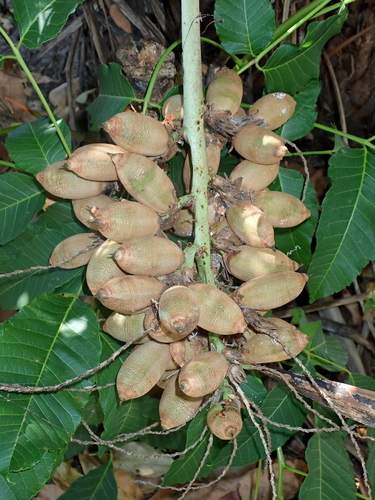
iNaturalist· cc-by
(c) Eric Knight, some rights reserved (CC BY)
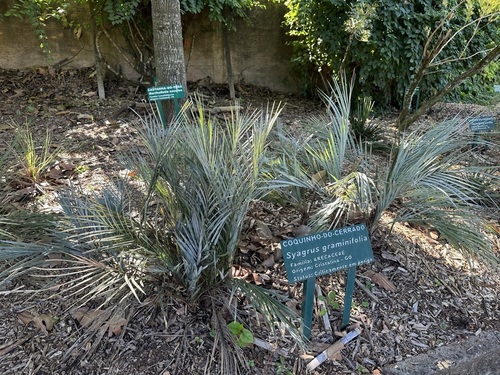
iNaturalist· cc-by-nc
(c) Nils Servientis - Bivouac Naturaliste, some rights reserved (CC BY-NC)
Summary
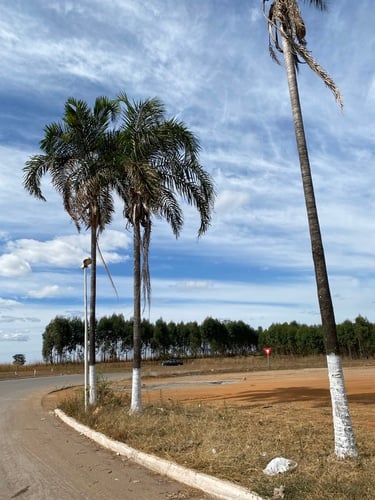
Source: WikipediaEuterpe broadwayi, the manac, or manicol, is a tall, slender-stemmed, pinnate-leaved palm native to Trinidad and Tobago, Grenada, Saint Vincent and the Grenadines and Dominica. Stems usually grow in a cluster and are 8–20 metres tall and 20–25 centimetres in diameter and bear 10–16 leaves. It is sometimes harvested for palm heart.
Description
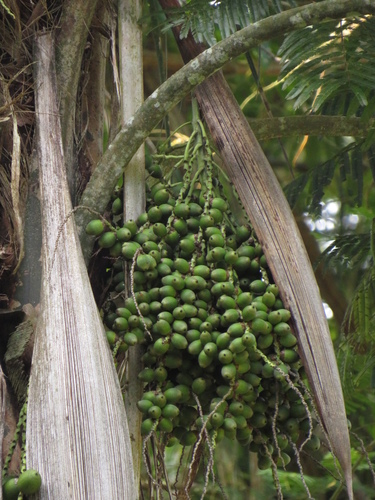
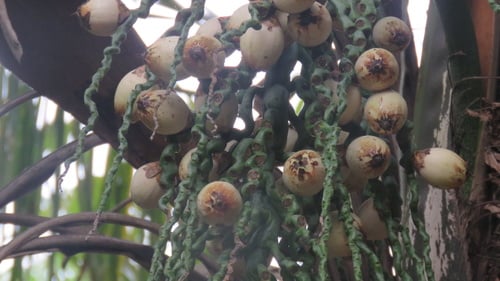
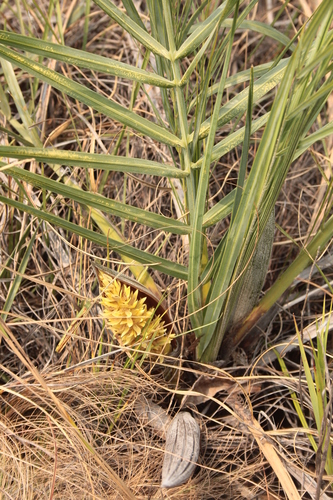
A clustered palm. It grows 8-20 m tall. The trunks are 20-25 cm across. They are grey. There is often a cone of roots at the base. There are 10-16 leaves. The crown-shaft is green but can have reddish tinges. The leaflets tend to hang down. The flowering branches are 0.7-1 cm across. They are covered with whitish brown hairs. The fruit are round and purple-black. They are 1-1.4 cm across.
Edible Uses
The palm heart can be eaten raw or boiled. The trunks may contain the edible palm beetle (Calandra palmarum).
Traditional Uses
The palm heart can be eaten raw or boiled. The trunks can contain the edible palm beetle (Calandra palmarum).
This uses section is brief — help expand it
Distribution
A tropical plant. It grows in forest on mountain ridges. It grows between 600-1,000 m altitude.
Where It Grows
Central America, Dominica, Dominican Republic, Grenada, Haiti, Lesser Antilles, St. Vincent and Grenadines, Trinidad and Tobago, West Indies,
Notes
There are 7 Euterpe species. (There were originally 30 species listed)
Synonyms
Also Known As
Manac, Palmiste
References (5)
- Grandtner, M. M., 2008, World Dictionary of Trees. Wood and Forest Science Department. Laval University, Quebec, Qc Canada. (Internet database http://www.wdt.qc.ca)
- Grandtner, M. M. & Chevrette, J., 2013, Dictionary of Trees, Volume 2: South America: Nomenclature, Taxonomy and Ecology. Academic Press p 245
- Henderson, A., Galeano, G and Bernal, R., 1995, Field Guide to the Palms of the Americas. Princeton. p 122, 295 (As Euterpe dominica),
- James, A., 2009, Notes on the Uses of Dominica's Native Palms. Palms, Vol. 53(2): p 64
- Kermath, B. M., et al, 2014, Food Plants in the Americas: A survey of the domesticated, cultivated and wild plants used for Human food in North, Central and South America and the Caribbean. On line draft. p 361