Plukenetia volubilis
L.
Inca peanut
iNaturalist· cc0
no rights reserved, uploaded by 葉子
iNaturalist· cc-by-nc
(c) danplant, some rights reserved (CC BY-NC)
Summary
Source: WikipediaPlukenetia volubilis, commonly known as sacha inchi, sacha peanut, mountain peanut, Inca nut or Inca-peanut, is a perennial plant in the family Euphorbiaceae, having small trichomes on its leaves. It is native to tropical South America and the Caribbean. Although its raw seeds and leaves contain toxins, these components are safe for consumption after roasting. Plukenetia volubilis should not be confused with Caryodendron orinocense, which is commonly known as inchi, cacay, or orinoconut.
Description
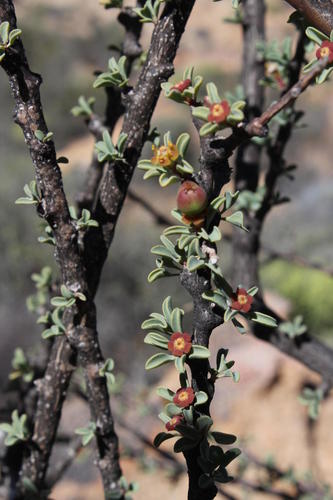
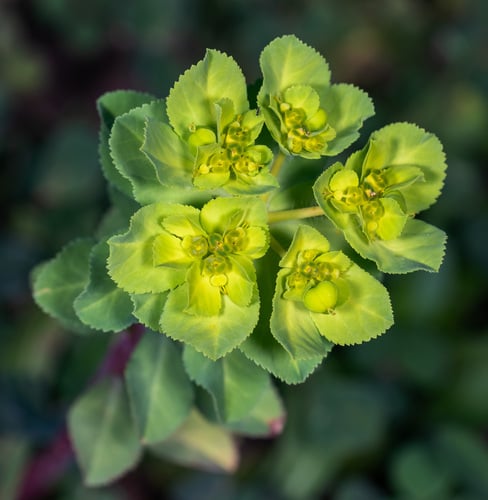
A vine. It grows 8 m long. The leaves are alternate and simple. They are 8-12 cm long by 5-8 cm wide. They are oval and taper to the tip. The flowering stalks are 5-10 cm long. The male flowers are greenish-yellow and 2-3 mm across. The fruit is a capsule 4-5 cm across. It is green and sharply four angled and with wings.
Edible Uses
The leaves are cooked and eaten as a vegetable. The seeds are roasted and have an excellent flavor; they are rich in oil (35–60%) and protein (27%). An oil extracted from the seeds is used in the preparation of various meals.
Traditional Uses
The leaves are cooked and eaten. The seeds are roasted and eaten.
This uses section is brief — help expand it
Medicinal Uses
None known
Known Hazards
When raw, P. volubilis seeds and leaves contain appreciable amounts of alkaloids, saponins, and lectins which may be toxic if consumed before cooking, but are degraded by roasting.
Distribution
A tropical plant. It grows in the mountain rainforest up to 2,000 m above sea level.
Where It Grows
Amazon, Andes, Antilles, Australia, Bolivia, Brazil, Central America, Colombia, Costa Rica, Dominica, Ecuador, Guianas, Guyana, Mexico, Nicaragua, Panama, Peru, South America, St Lucia, Suriname, Venezuela,
Cultivation
Grows in warm climates up to altitudes of 1,700 meters (5,500 feet) as long as there is continued availability of water and good drainage. It grows better in acidic soils and alluvial flats near rivers. Cultivated plants frequently have larger, 5 - 6 carpelled fruits and more prominently serrate leaf margins. The seeds of inchi have high protein (27%) and oil (35 - 60%) content, and the oil is rich in the essential fatty acids omega-3 linolenic acid (˜45-53% of total fat content) and omega-6 linoleic acid (˜34-39% of fat content), as well as non-essential omega-9 (˜6-10% of fat content).[
Propagation
Grown from seed.
Other Uses
The high-quality oil extracted from the seeds can be used in cosmetics. The plant is also used as fodder.
Other Information
It is cultivated.
Notes
It is rich in omega-3 oil than can help lower cholesterol.
Synonyms
Also Known As
Amendoim-de-Inka, Amuio, Chikaksi, Estrella tikasu, Inshi, Mani de monte, Mountain peanut, Nuse, Sacha inche, Sacha inchi, Supua, Ticasu, Ticazo, Tikasu, Wild peanut
References (14)
- Altschul, S.V.R., 1973, Drugs and Foods from Little-known Plants. Notes in Harvard University Herbaria. Harvard Univ. Press. Massachusetts. no. 2344
- Borelli, T., et al, 2020, Born to Eat Wild: An Integrated Conservation Approach to Secure Wild Food Plants for Food Security and Nutrition. Plants 2020, 9, 1299 p 9
- Facciola, S., 1998, Cornucopia 2: a Source Book of Edible Plants. Kampong Publications, p 101
- Hamaker, B. R. et al. 1992. Amino acid and fatty acid profiles of the Inca peanut Plukenetia volubilis. Cereal Chem. 69:461–463.
- Kermath, B. M., et al, 2014, Food Plants in the Americas: A survey of the domesticated, cultivated and wild plants used for Human food in North, Central and South America and the Caribbean. On line draft. p 672
Show all 14 references Hide references
- Roa, J. A. G. & Boada, D. S. G., 2018, Fundación para el Fortalecimiento de la Fruticultura y Plantas Alimenticias no Convencionales en Colombia.
- Sathe, S. K. et al. 2002. Isolation, purification, and biochemical characterization of a novel water soluble protein from Inca peanut (Plukenetia volubilis L.). J. Agric. Food Chem. 50:4906–4908.
- Smith, N., et al, 2007, Amazon River Fruits. Flavors for Conservation. Missouri Botanical Gardens Press. p 112
- Sp. pl. 2:1192. 1753
- Torre, de la, L., et al, 2008, Enciclopedia de las Plantas Útiles del Ecuador. Herbario QCA. Pontificia Universidad Católica del Ecuador. p 327
- Vasquez, R. and Gentry, A. H., 1989, Use and Misuse of Forest-harvested Fruits in the Iquitos Area. Conservation Biology 3(4): 350f
- Wiersema, J. H. & Leon, B., 2013, World Economic Plants. A Standard Reference CRC Press. 2nd Ed. p 543
- World Checklist of Useful Plant Species 2020. Royal Botanic Gardens, Kew
- www.colecionandofrutas.org