Euphorbia paralias
L.
Sea spurge
iNaturalist· cc-by-nc-sa
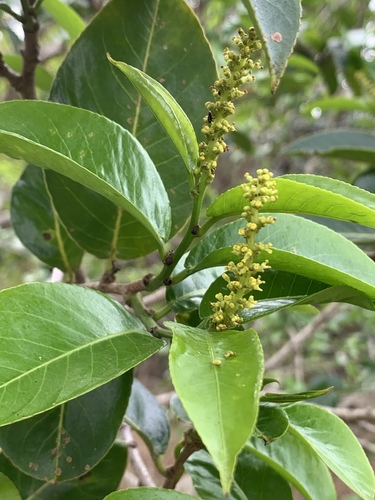
(c) Valter Jacinto | Portugal, some rights reserved (CC BY-NC-SA)
iNaturalist· cc-by
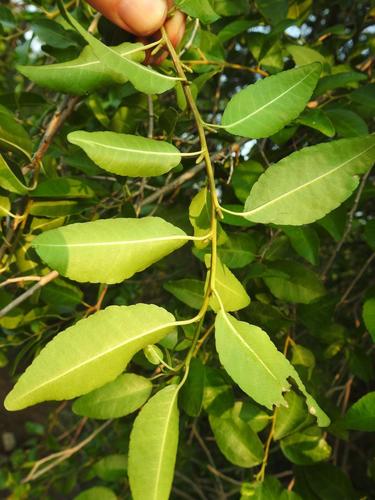
(c) Arnim Littek, some rights reserved (CC BY)
iNaturalist· cc-by
(c) Arnim Littek, some rights reserved (CC BY)
Summary
Source: WikipediaEuphorbia paralias, the sea spurge, is a species of flowering plant in the family Euphorbiaceae, native to Europe, northern Africa and western Asia. The species is widely naturalised in Australia. It invades coastal areas, displacing local species and colonising open sand areas favoured by certain nesting birds. Major eradication programs have been undertaken in some areas, for example by Sea Spurge Remote Area Teams in Tasmania, with great success. A small colony of over 50 plants was discovered at a location on Ninety Mile Beach, Northland in New Zealand in July 2025 where it has believed to have came from sea currents coming from Australia. 7 other locations in Northland have also had colonies or plants found in the past 12 months prior to the discovery in July though the species has been recorded being present since 2012.
Description
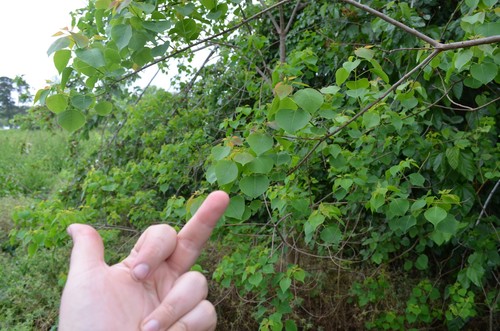
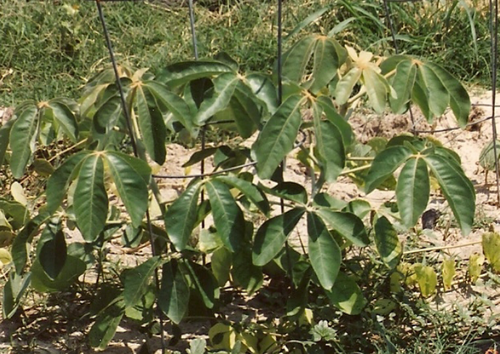
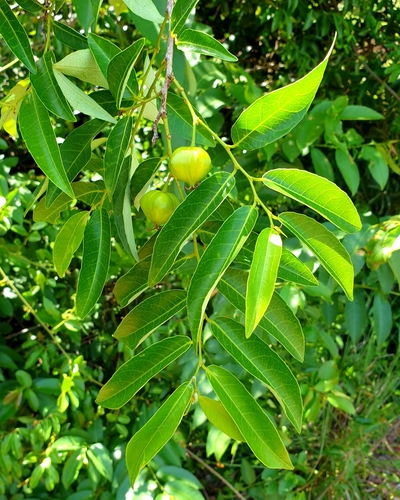
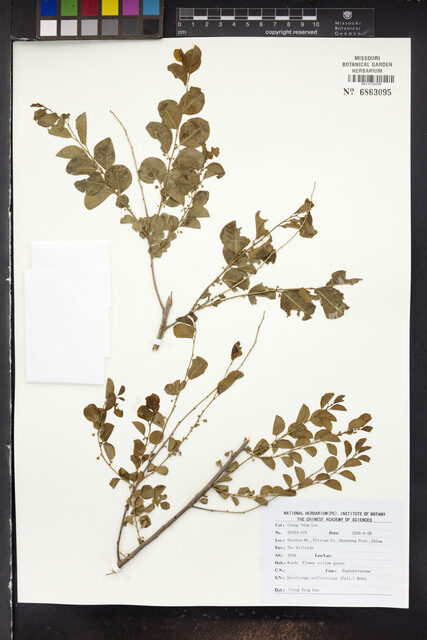
A small herb. It has several stems and is erect. It keeps growing from year to year. It is smooth and bluish-green. It grows to 40 cm high. The leaves are crowded and overlapping. They are 1.5-3 cm long. They are hidden in oval, green, leaf-like bracts. The flowers are yellow and in clusters. They are at the ends of branches. The fruit is a grooved capsule.
Traditional Uses
Caution: All Euphorbias or spurges have irritating sap and many have chemicals that can cause cancer.
This uses section is brief — help expand it
Known Hazards
All parts contain irritating sap and many Euphorbias contain chemicals that can cause cancer.
Distribution
A warm temperate plant. It grows along coastlines above the shore and also occurs further inland. It can grow to 100 m altitude on sand dunes. Tasmania Herbarium.
Where It Grows
Albania, America, Australia, Balkans, Europe, France, Greece, Italy, Mediterranean, Portugal, Slovenia, Spain, Tasmania, Turkey, Türkiye,
Notes
There are about 2000 Euphorbia species. Most Euphorbias have sap which irritates the skin.
Also Known As
Obalni mleček
References (8)
- Blamey, M and Grey-Wilson, C., 2005, Wild flowers of the Mediterranean. A & C Black London. p 120
- Curtis, W.M., 1993, The Student's Flora of Tasmania. Part 3 St David's Park Publishing, Tasmania, p 633
- Harris, S., Buchanan, A., Connolly, A., 2001, One Hundred Islands: The Flora of the Outer Furneaux. Tas Govt. p 154
- Hussey, B.M.J., Keighery, G.J., Cousens, R.D., Dodd, J., Lloyd, S.G., 1997, Western Weeds. A guide to the weeds of Western Australia. Plant Protection Society of Western Australia. p 144
- Paczkowska, G. & Chapman, A.R., 2000, The Western Australian Flora. A Descriptive Catalogue. Western Australian Herbarium. p 246
Show all 8 references Hide references
- Sp. pl. 1:458. 1753
- Tasmanian Herbarium Vascular Plants list p 28
- Whiting, J. et al, 2004, Tasmania's Natural Flora. Tasmania's Natural Flora Editorial Committee PO Box 194, Ulverstone, Tasmania, Australia 7315 p 364