Euphorbia parviflora
L.
iNaturalist· cc-by-nc
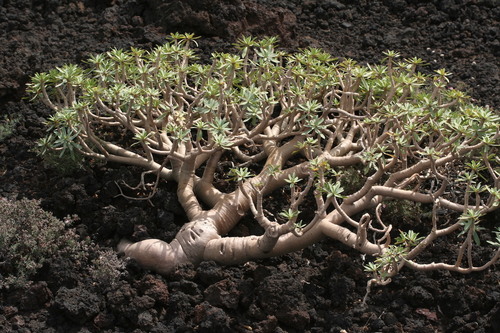
(c) Wangworn Sankamethawee, some rights reserved (CC BY-NC), uploaded by Wangworn Sankamethawee
wikimedia· cc0
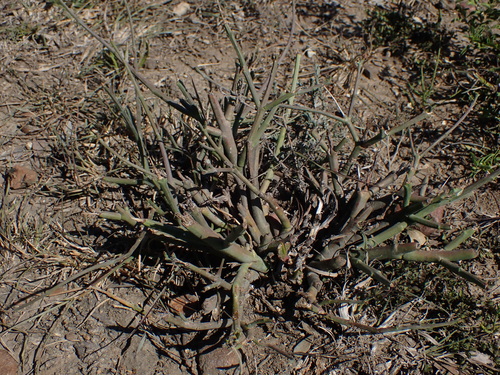
Wikimedia Commons - Patrick Alexander from Las Cruces, NM
wikimedia· cc0
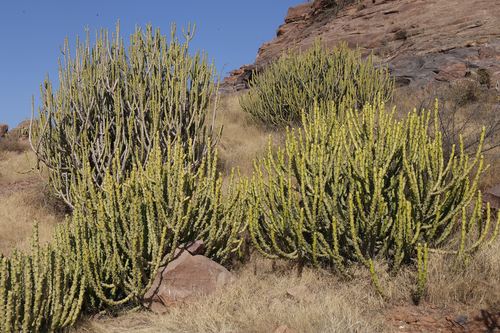
Wikimedia Commons - aspidoscelis
Description
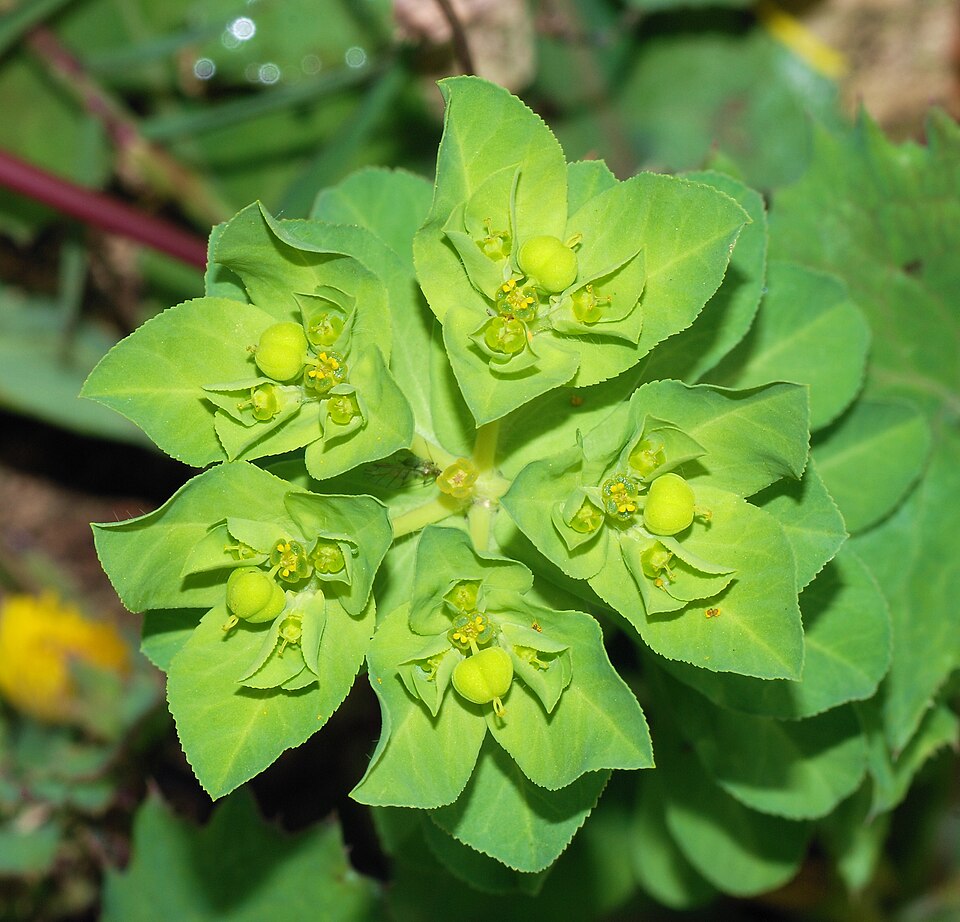
An annual plant with bristles or soft hairs. It is usually with many branches from the base. The branches can be 40 cm long and can be simple or forked and reddish or purple. The leaves are opposite, in two ranks, and oblong. A ring of bracts around the flower can be green or purple, about 1 mm long and very dense and numerous. The capsules are broadly oval and 1.5 mm long, hairy and 3 angled.
Edible Uses
The leaves and tender shoots are eaten.
Traditional Uses
Caution: All Euphorbias or spurges have irritating sap and many have chemicals that can cause cancer. The leaves and tender shoots are edible.
This uses section is brief — help expand it
Known Hazards
All Euphorbias have irritating sap. Many contain chemicals that can cause cancer.
Distribution
A tropical plant. The plant is found often in open waste places throughout the Philippines.
Where It Grows
Asia, Grenada, India, Myanmar, Pacific, Philippines, SE Asia,
Notes
There are about 2000 Euphorbia species. Most Euphorbias have sap which irritates the skin.
Also Known As
Amumpatchay arisee, Bidarie, Gatas-gatas, Kya-bahon, Nanabeeam
References (4)
- Monsalud, M.R., Tongacan, A.L., Lopez, F.R., & Lagrimas, M.Q., 1966, Edible Wild Plants in Philippine Forests. Philippine Journal of Science. p 465 (As Euphorbia pilulifera)
- SHORTT, (As Euphorbia pilulifera)
- Sp. pl. 1:454. 1753 (As Euphorbia pilulifera)
- WATT, (As Euphorbia pilulifera)