Calandrinia acaulis
Kunth
iNaturalist· cc-by-nc
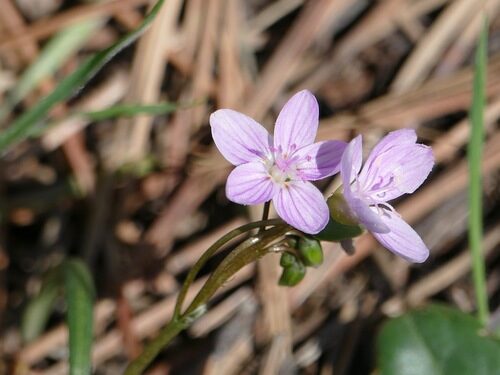
(c) Jeremy Barker, some rights reserved (CC BY-NC), uploaded by Jeremy Barker
iNaturalist· cc-by-nc
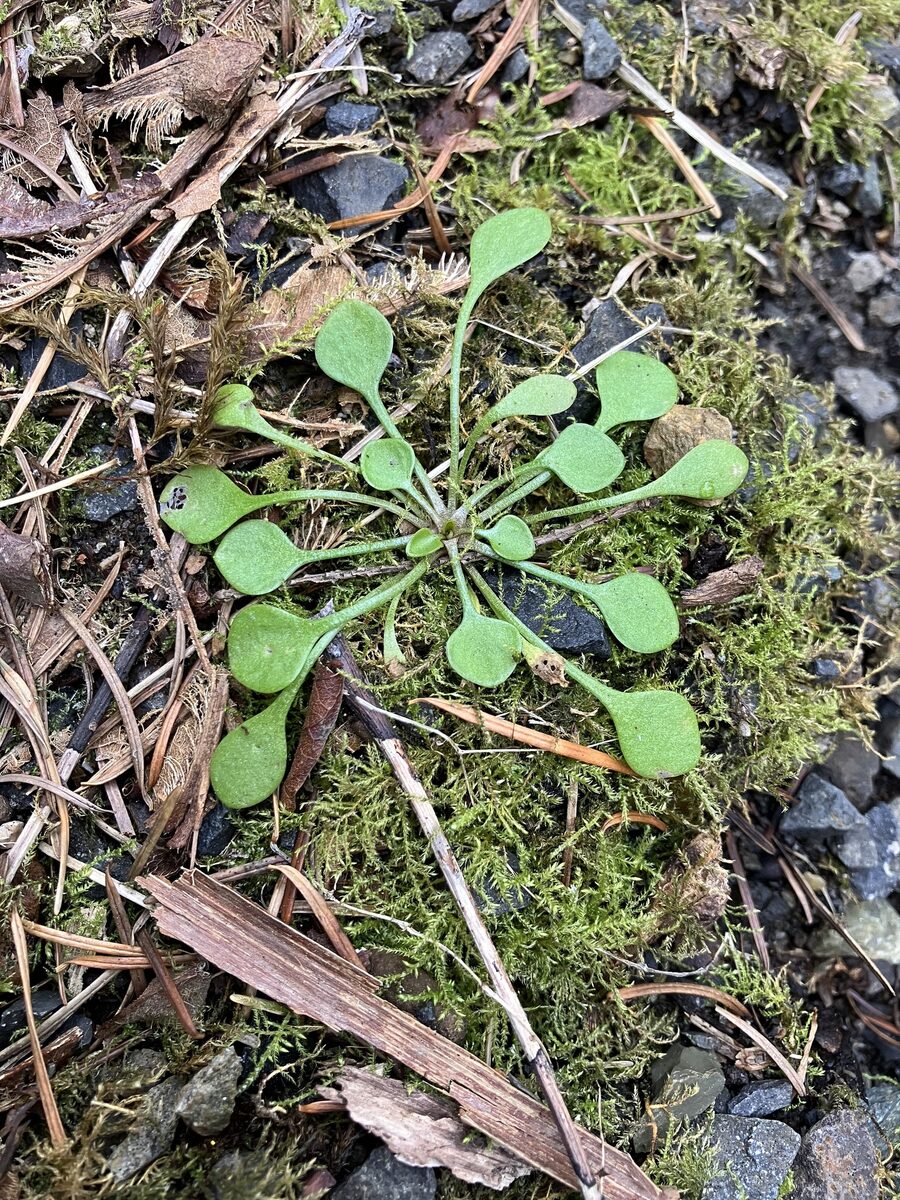
(c) Dale Lee Denham-Logsdon, some rights reserved (CC BY-NC)
iNaturalist· cc-by-nc
(c) Dale Lee Denham-Logsdon, some rights reserved (CC BY-NC)
Description
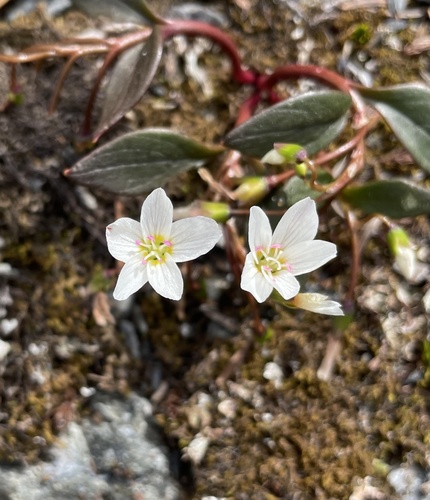
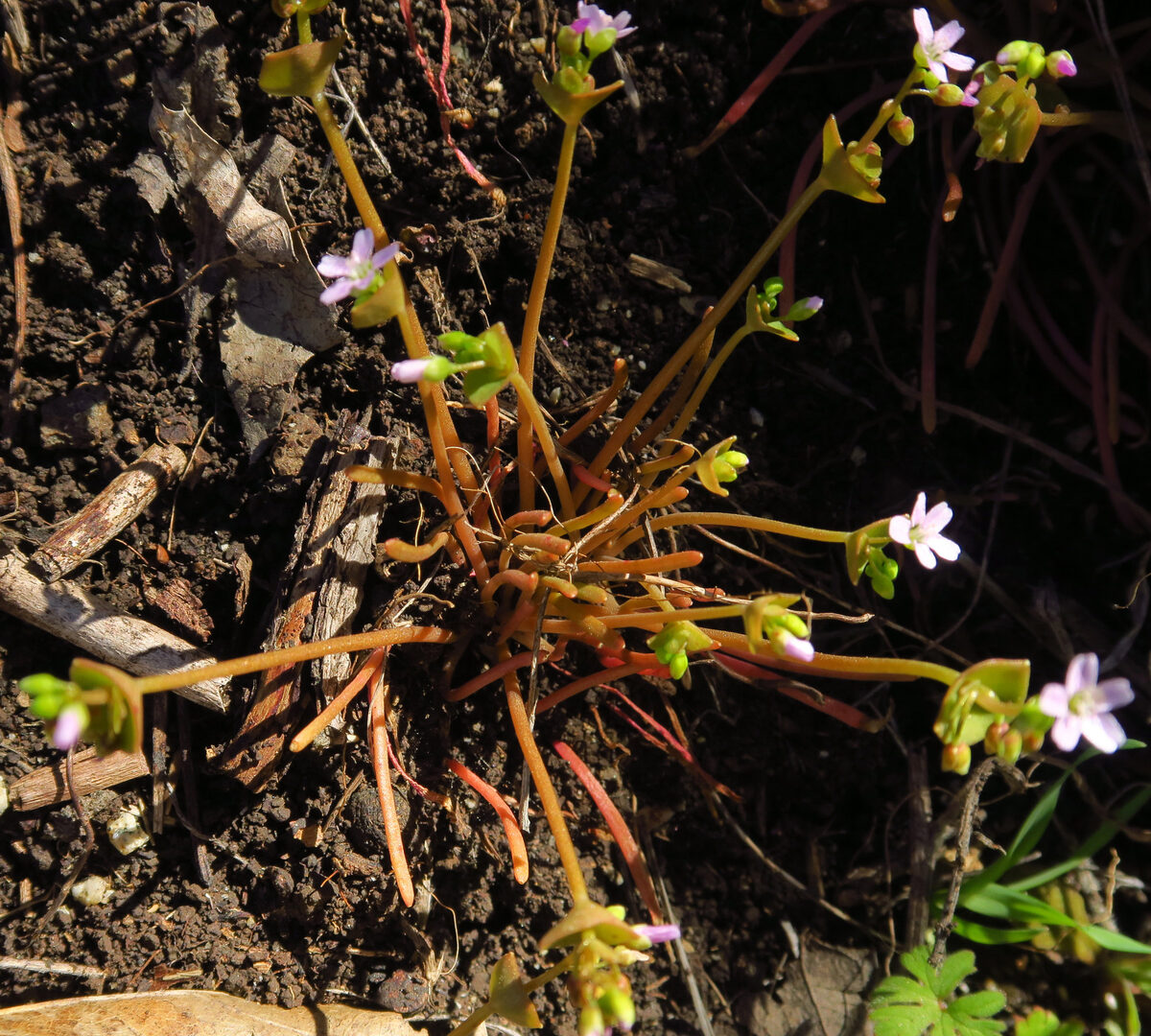
A herb. It keeps growing from year to year. The leaves are very long and narrow. The flowers are white.
This description is brief — help expand it
Edible Uses
The roots are eaten.
Distribution
A tropical plant. In Argentina it grows between 2,500-4,900 m above sea level.
Where It Grows
Argentina, Bolivia, Central America, Chile, Colombia, Costa Rica, Ecuador, Guatemala, Mexico, Peru, South America, Venezuela,
Notes
There are between 50-100 Calandrinia species. It has also been put in the family Portulacaceae.
Synonyms
Claytonia humboldtiana KuntzeOreobroma acaule (Kunth) Rydb.
References (3)
- Altschul, S.V.R., 1973, Drugs and Foods from Little-known Plants. Notes in Harvard University Herbaria. Harvard Univ. Press. Massachusetts. no. 935
- Kew Plants of the World Online
- Leon-Lobos, P., et al, 2022, Patterns of Traditional and Modern Uses of Wild Edible Native Plants of Chile: Challenges and Future Perspectives. Plants (Basel) v 11 (6) Table S1