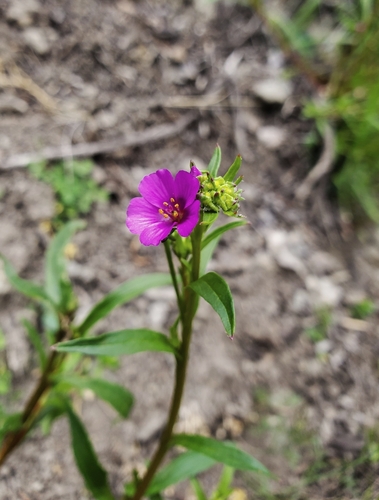
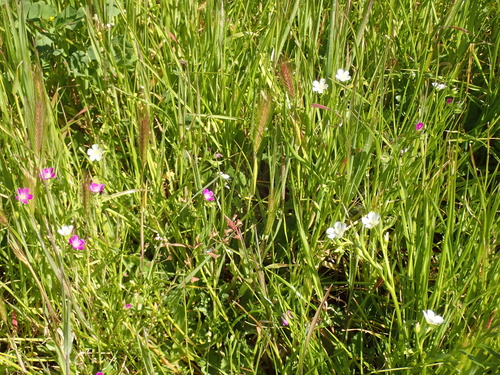
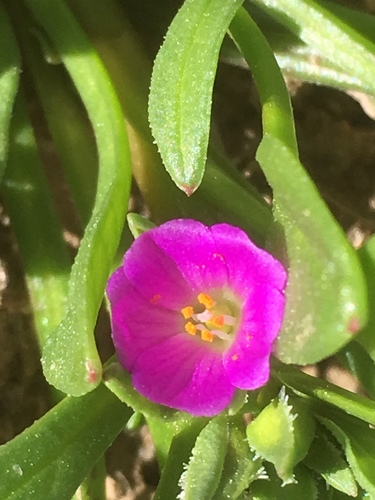
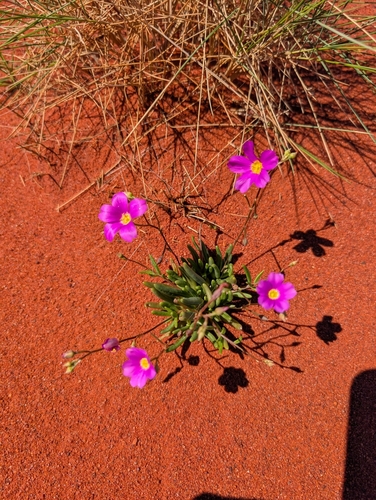
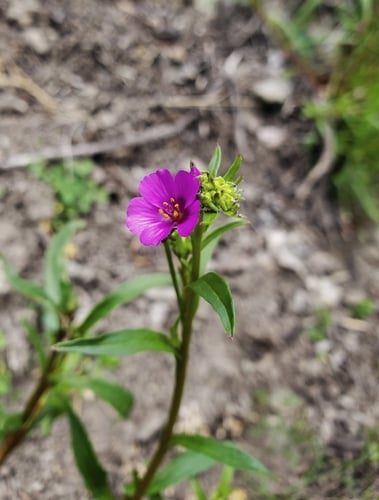
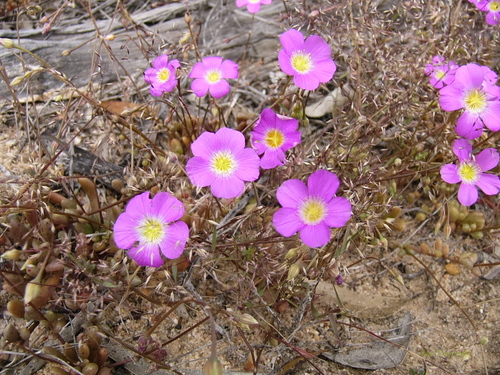
Claytonia scammaniana
Hult.
Scamman's Springbeauty
iNaturalist· cc-by-nc
(c) Jean-Dominique LEBRETON, some rights reserved (CC BY-NC), uploaded by Jean-Dominique LEBRETON
iNaturalist· cc-by
(c) Cheryl McCleary-Catalano, some rights reserved (CC BY), uploaded by Cheryl McCleary-Catalano
iNaturalist· cc-by-nc
(c) Hubert Szczygieł, some rights reserved (CC BY-NC)
Summary
Source: WikipediaClaytonia scammaniana is a biogeographically significant species of Claytonia, which is indigenous to the mountain chains of Alaska and Yukon. The species has been subject of differing taxonomic opinions and confusion with Claytonia arctica and C. sarmentosa. A taxonomic revision including a review of previous studies of Claytonia scammaniana was published in 2006.
Description
A perennial reaching 20cm tall with a compact form. Flowers April through June with seeds ripening in May. Requires full sun and well-drained, mildly acid soil; prefers moist conditions. The plant is hermaphroditic.
Edible Uses
Leaves are edible raw or cooked. Flowers can be eaten raw.
Medicinal Uses
None known
Distribution
It is a temperate plant.
Where It Grows
North America, USA,
Cultivation
We have very little information on this species and do not know if it will be hardy in Britain, though judging by its native range it should succeed outdoors in many parts of this country. This plant is considered to be a part of C. sarmentosa by some botanists. The following notes are based on the general needs of the genus. Prefers a damp peaty soil and a position in full sun. Requires a lime-free soil.
Propagation
Surface sow seed on a peat-based compost in spring in a cold frame. Germination usually takes place within 2–4 weeks at 10°C. When large enough to handle, prick seedlings out into individual pots and grow on in the cold frame for at least their first winter. Plant out in late spring or early summer after the last expected frosts. Offsets can also be divided in spring or autumn.
Other Uses
None known
Notes
They have also been put in the family Portulacaceae.
References (1)
- Plants for a Future database, The Field, Penpol, Lostwithiel, Cornwall, PL22 0NG, UK. http://www.scs.leeds.ac.uk/pfaf/