Fatoua villosa
(Thunb.) Nakai
Hairy crabweed
iNaturalist· cc-by-nc
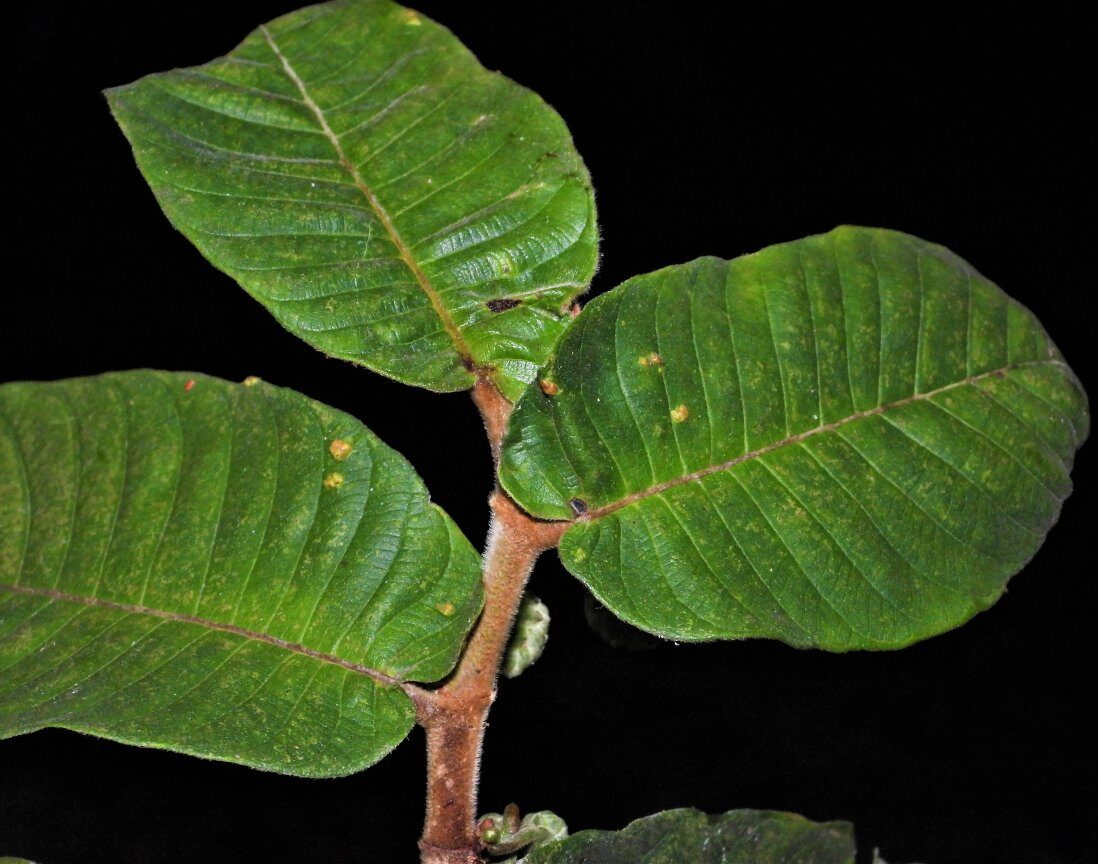
(c) Susan J. Hewitt, some rights reserved (CC BY-NC)
iNaturalist· cc-by-nc
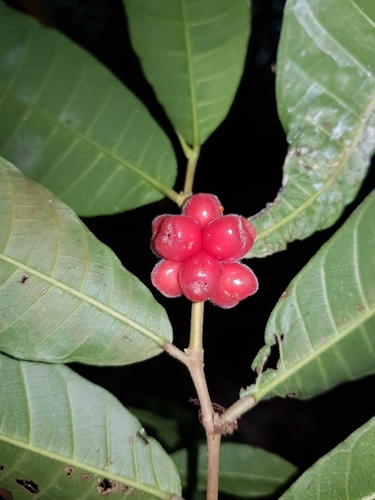
(c) georgie217, some rights reserved (CC BY-NC)
iNaturalist· cc-by
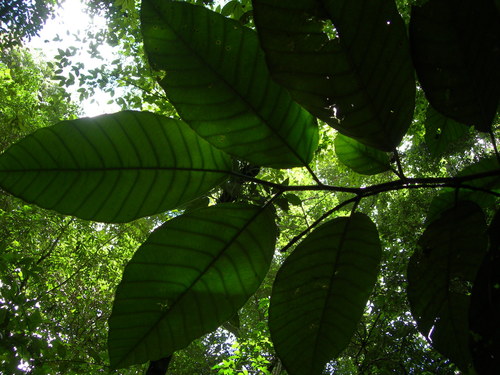
(c) Cheng-Te Hsu, some rights reserved (CC BY)
Summary
Source: WikipediaFatoua villosa is an annual herb in the Moraceae (mulberry) family. Common names include mulberry weed, crabweed, or hairy crabweed in English, kuwakusa (クワクサ; 桑草) in Japanese, and shuǐ shémá (水蛇麻) or xiǎo shémá (小蛇麻) in Mandarin. It is native to Eastern Asia, some Pacific islands, and parts of Australia, including in two Australian states (Western Australia and Queensland), the Bismarck Archipelago, China, Indonesia (Java, Maluku, Sulawesi and the Lesser Sunda Islands), Japan, Korea, New Guinea, the Philippines, the Solomon Islands, Taiwan, Thailand and Vietnam. It has become an invasive species in the United States where it grows in disturbed areas such as flowerbeds, greenhouses, and agricultural fields.
Description
A herb which grows from seed each year. It is 30-80 cm high. The stems are green when young. It has few branches. The leaf stalk is hairy. The leaf blade is oval and 5-10 cm long by 3-5 cm wide. The leaf is like a membrane. The base is heart shaped and clings to the leaf stalk. There are teeth along the edge. Flowers are of 2 sexes. The fruit is dry and oval and 3 angled. It is about 1 mm across.
Edible Uses
The young plant is well cooked and eaten as a famine food.
Traditional Uses
Young plant is well cooked and eaten as famine food.
This uses section is brief — help expand it
Medicinal Uses
The roots are depurative, diuretic, emmenagogue and febrifuge. A decoction is used as a treatment against fevers. An infusion is prescribed to treat irregular menstruation and as a diuretic. The crushed and roasted roots are used to prepare a depurative medicine for women after childbirth. A decoction of the roots is an effective treatment for swollen gums when used as a gargle. The ground yellow roots, known as 'greges otot', used to be smeared on the legs of children with weak legs. The chewed leaf is considered a remedy against stomach-ache. The methanol root extract has been found to contain phototoxins that possess a UV-A light activated anti-microbial activity. The compound responsible for this is the furanocoumarin 5-methoxypsoralen (5-MOP or bergapten). Dermatosis may arise after plants containing linear furanocoumarins come into direct contact with the skin, if this is immediately followed by exposure to UV-A light, e.g. from the sun. Due to this mechanism of DNA synthesis inhibition, several psoralens are used in therapy for the treatment of psoriasis. Therapy might consist of application of psoralens orally or locally, followed by irradiation with UV-A light.
Distribution
A tropical and subtropical plant. It grows in scrub and waste grassy areas in S China.
Where It Grows
Asia, Australia, China, Indonesia, Japan, Korea, Malaysia, North America, Pacific, Philippines, New Guinea, SE Asia, Taiwan, USA,
Cultivation
The plant has escaped from cultivation and become naturalized in the United States, where it is likely to become a weed. Female flowers of Fatoua villosa predominate in inflorescences positioned in the lower and middle parts of the stem, male ones in those of the upper parts.
Notes
There are 2 Fatoua species.
Synonyms
Also Known As
Shui se ma
References (3)
- Altschul, S.V.R., 1973, Drugs and Foods from Little-known Plants. Notes in Harvard University Herbaria. Harvard Univ. Press. Massachusetts. no. 670
- Bot. Mag. (Tokyo) 41:516. 1927
- Moraceae. Flora of China.