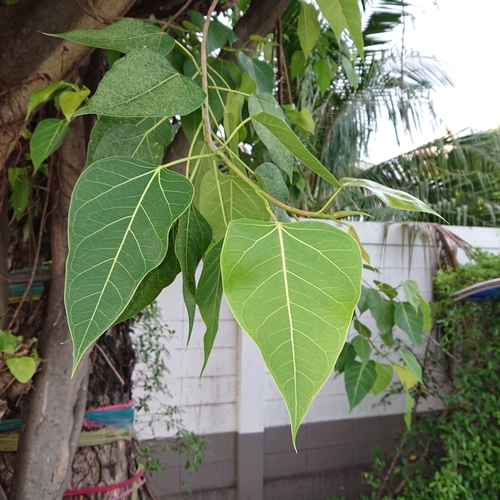
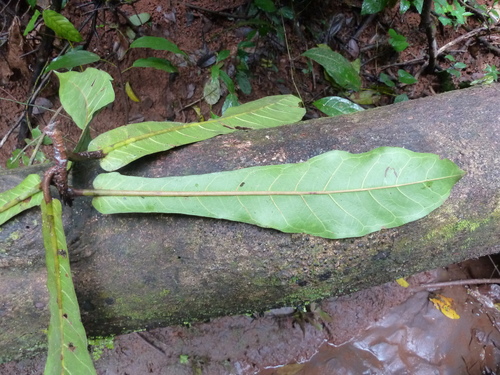
Artocarpus heterophyllus x
Champejak
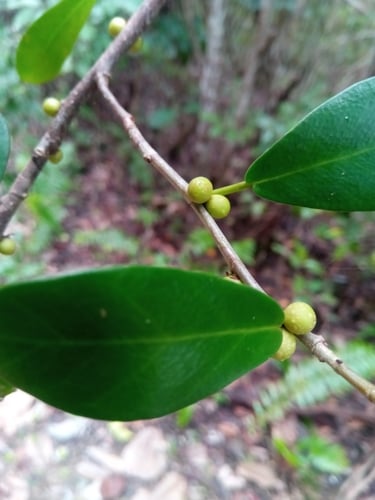
iNaturalist· cc-by-sa
(c) Postdlf, some rights reserved (CC BY-SA)
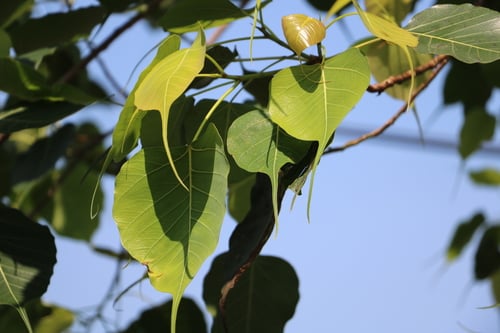
iNaturalist· cc-by-sa
(c) Yercaud-elango, some rights reserved (CC BY-SA)
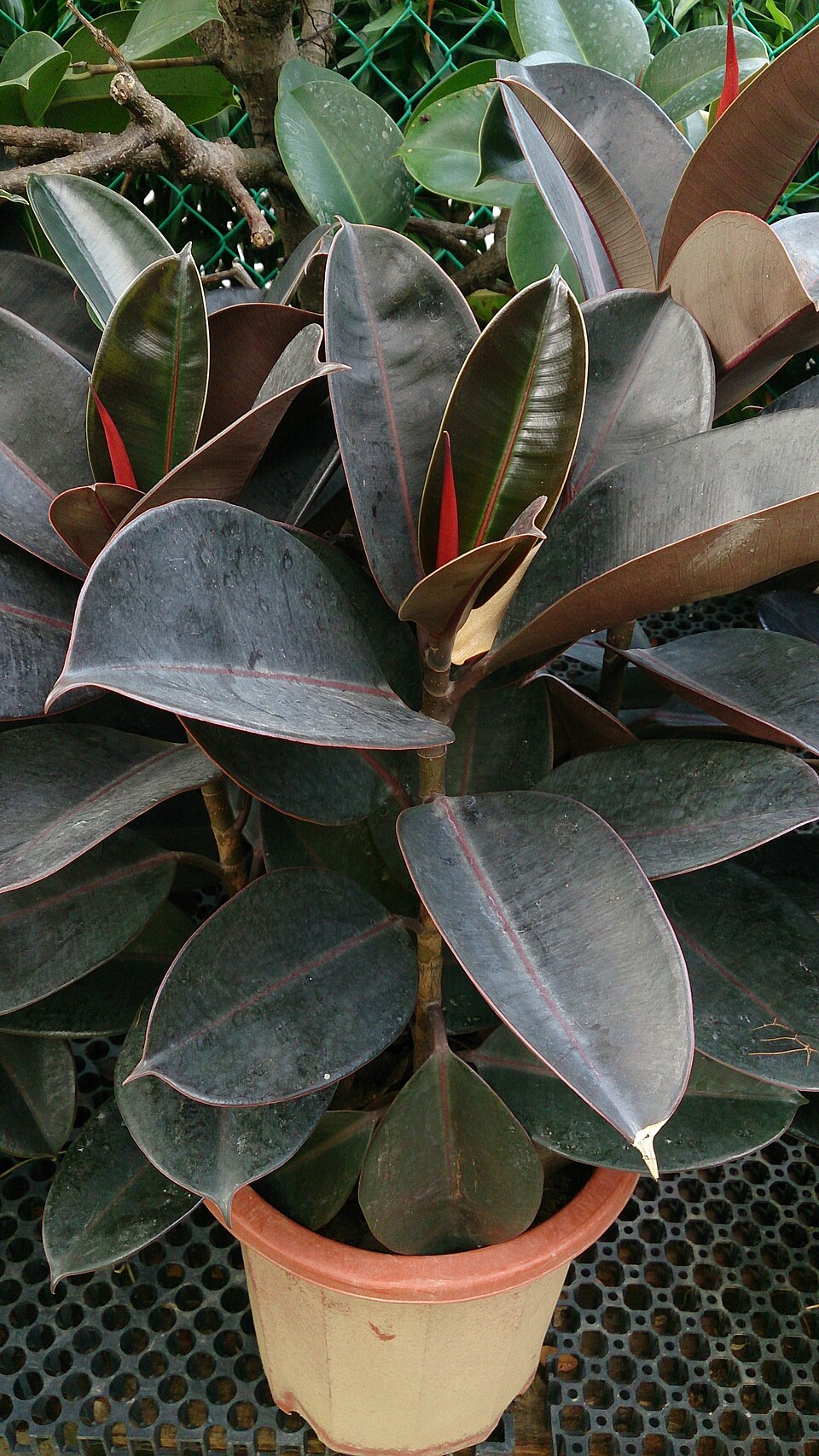
iNaturalist· cc-by-sa
(c) Farmfirst, some rights reserved (CC BY-SA)
Description
A tropical tree in the family Moraceae, grown in warm regions such as Townsville.
This description is brief — help expand it
Edible Uses
Ripe jackfruit is naturally sweet, with subtle pineapple- or banana-like flavor. It can be used to make a variety of dishes, including custards, cakes, or mixed with shaved ice as es teler in Indonesia or halo-halo in the Philippines. For the traditional breakfast dish in southern India, idlis, the fruit is used with rice as an ingredient and jackfruit leaves are used as a wrapping for steaming. Jackfruit dosas can be prepared by grinding jackfruit flesh along with the batter. Ripe jackfruit arils are sometimes seeded, fried, or freeze-dried and sold as jackfruit chips. The seeds from ripe fruits are edible once cooked, and have a milky, sweet taste often compared to Brazil nuts. They may be boiled, baked, or roasted. When roasted, the flavor of the seeds is comparable to chestnuts. Seeds are used as snacks (either by boiling or fire-roasting) or to make desserts. In Java, the seeds are commonly cooked and seasoned with salt as a snack. They are commonly used in curry in India in the form of a traditional lentil and vegetable mix curry. Young leaves are tender enough to be used as a vegetable. Jackfruit seeds can also be dehydrated and ground into a thickener, used in cooking soup, or ground together with wheat to serve as a flour. The flavor of the ripe fruit is comparable to a combination of apple, pineapple, mango, and banana. Varieties are distinguished according to characteristics of the fruit flesh. In Indochina, the two varieties are the "hard" version (crunchier, drier, and less sweet, but fleshier), and the "soft" version (softer, moister, and much sweeter, with a darker gold-color flesh than the hard variety). Unripe jackfruit has a mild flavor and meat-like texture and is used in curry dishes with spices in many cuisines. The skin of unripe jackfruit must be peeled first, then the remaining jackfruit flesh is chopped into edible portions and cooked before serving. The final chunks resemble prepared artichoke hearts in their mild taste, color, and flowery qualities. The cuisines of many Asian countries use cooked young jackfruit. In many cultures, jackfruit is boiled and used in curries as a staple food. The boiled young jackfruit is used in salads or as a vegetable in spicy curries and side dishes, and as fillings for cutlets and chops. It may be cooked with coconut milk and eaten alone or with meat, shrimp or smoked pork. The jackfruit seeds are also boiled and used in sambar (stew). Processed jackfruit is sold in US stores and has been marketed as a plant-based meat alternative. After roasting, the seeds may be used as a commercial alternative to chocolate aroma.
Distribution
A tropical plant. At "Frosty Mango" Townsville.
Where It Grows
Australia,
References (1)
- Recher, P, 2001, Fruit Spirit Botanical Gardens Plant Index. www.nrg.com.au/~recher/ seedlist.html p 1