Artocarpus integer var. sylvestris
(Thunb.) Merr., Corner
Bangkong
gbif· cc-by-nc
President and Fellows of Harvard College
gbif· cc-by-nc
President and Fellows of Harvard College
gbif· cc-by
Royal Botanic Gardens, Kew
Summary
Source: WikipediaArtocarpus integer, commonly known as chempedak or cempedak, is a species of tree in the family Moraceae, in the same genus as breadfruit and jackfruit. It is native to Southeast Asia. Cempedak is an important crop in Malaysia and is also popularly cultivated in southern Thailand and parts of Indonesia, and has the potential to be utilized in other areas. It is currently limited in range to Southeast Asia, with some trees in Australia and Hawaii.
Description
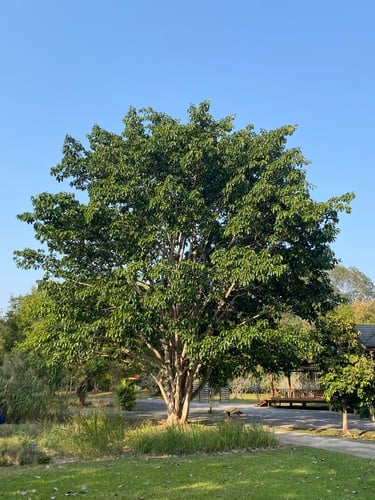
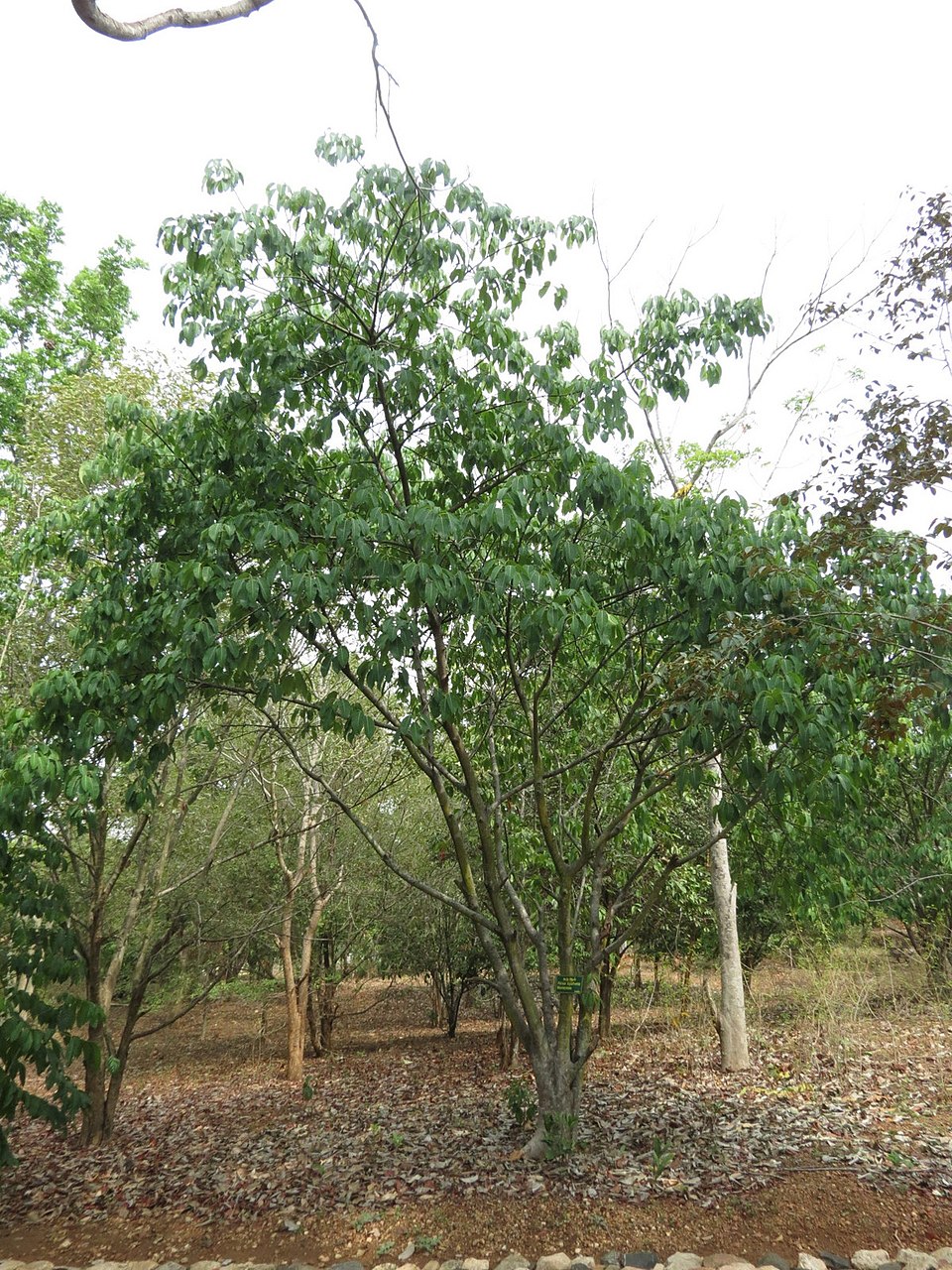
The wild chempedak tree. It has more seeds than the cultivated tree.
This description is brief — help expand it
Edible Uses
Cempedak is sought after for its edible, pulpy flesh that is typically yellow/orange and rich in beta-carotene. It has a sweetly unique flavor akin to that of durian and mango. The fruit is normally consumed in the areas where it is cultivated and can be eaten fresh or cooked. The large fruit are often cut open and sliced into pieces for sale. The seeds can be fried, boiled or grilled, then peeled and eaten with salt. The taste of the seeds is similar to water chestnuts. The young fruit, like young jackfruit, can be used as a vegetable. In this case, the young fruit is peeled, sliced and boiled, then sometimes seasoned or added as an ingredient to other foods, such as curries. In South and East Kalimantan, Indonesia, people historically consume cempedak's lactic acid bacteria-fermented inner skin, traditionally termed dami or mandai. The skin can be processed by peeling the fruit until it looks white, then fermenting the inner skin. Mandai is usually consumed after frying. The wood is of good quality, strong and durable, and used as building material for home furnishings or boats. The fibrous bark can be used to make ropes. Yellow dye can also be produced from the wood.
Traditional Uses
The seeds of the ripe fruit are cooked.
This uses section is brief — help expand it
Distribution
A tropical plant.
Where It Grows
Asia, Malaysia, SE Asia,
Notes
There are about 50 Artocarpus species. They are in the tropics and subtropics of Asia and the Pacific.
Also Known As
Dekah
References (4)
- Burkill, I.H., 1966, A Dictionary of the Economic Products of the Malay Peninsula. Ministry of Agriculture and Cooperatives, Kuala Lumpur, Malaysia. Vol 1 (A-H) p 251
- Mohd, N. G. et al, 2014, A Preliminary Flora Survey in Gunung Kajang, Pulau Tioman, Pahang Darul Makmur, Malaysia. Malays. Appl. Biol. 43(2): 17-23
- Ong, H., et al, 2012, Traditional knowledge and usage of edible plants among the Semai community of Kampung Batu 16, Tapah, Perak, Malaysia. Scientific Research and Essays Vol. 7(4), pp. 441-445, 30 January, 2012
- Zawiah, N. & Othaman, H., 2012, 99 Spesies Buah di FRIM. Institut Penyelidikan Perhutanan Malaysia. p 38