Artocarpus horridus
J. M. Jarrett
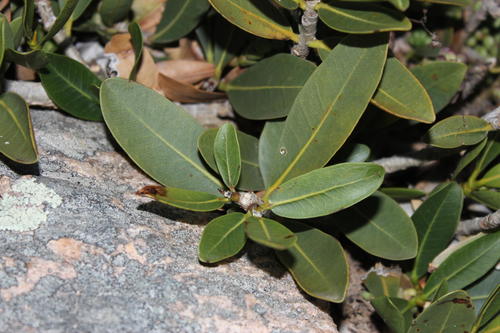
iNaturalist· cc-by-nc
(c) Emily Zucker, some rights reserved (CC BY-NC)
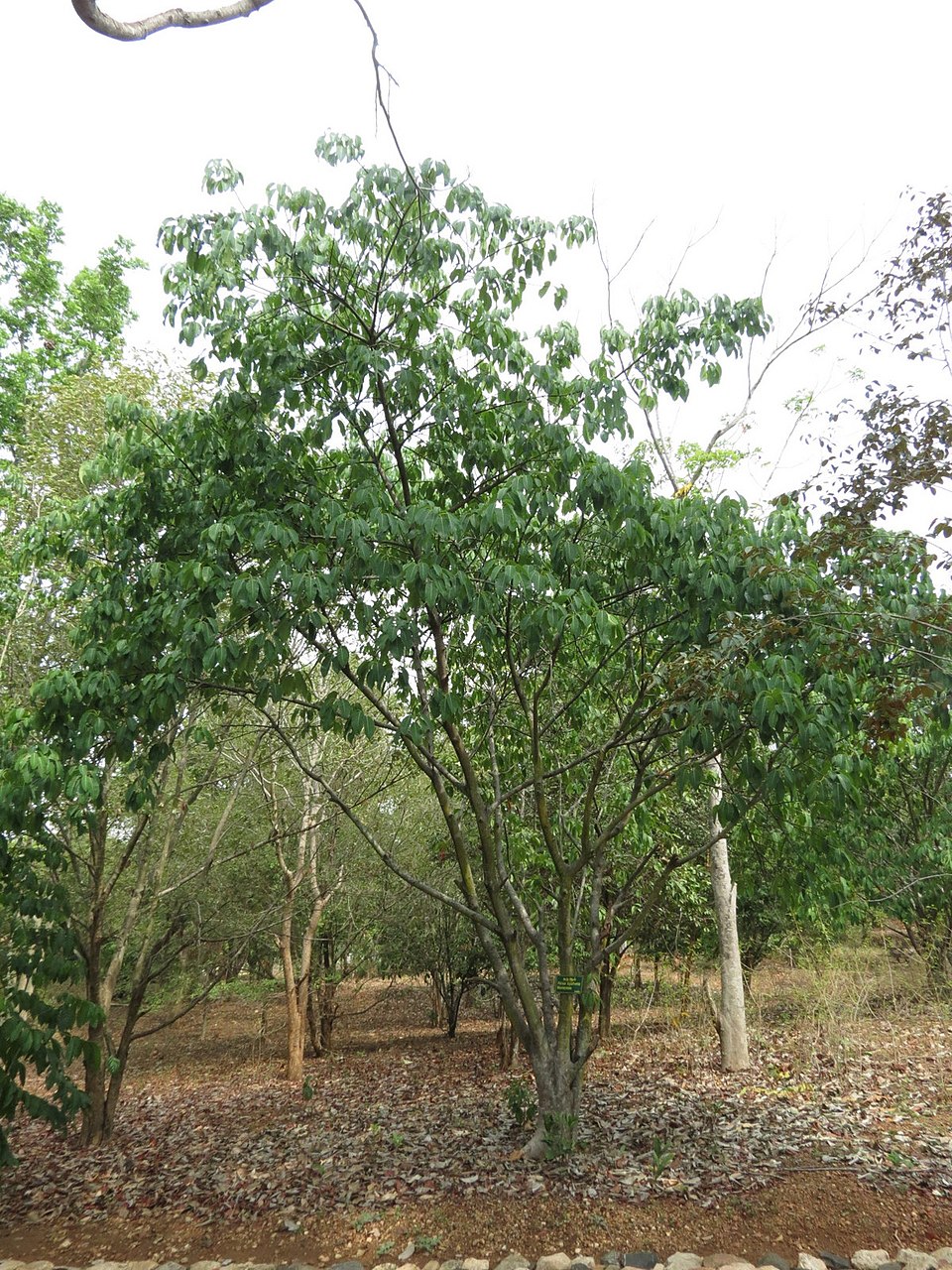
iNaturalist· cc-by-nc
(c) tavita_togia2016, some rights reserved (CC BY-NC)
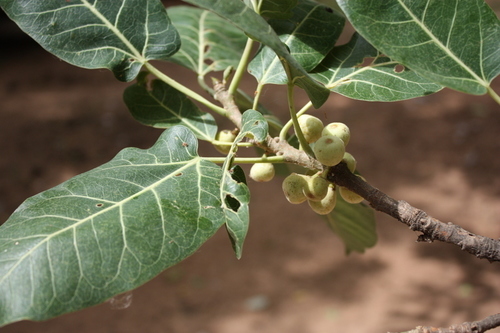
iNaturalist· cc-by-nc
(c) Ryan Rash, some rights reserved (CC BY-NC)
Description
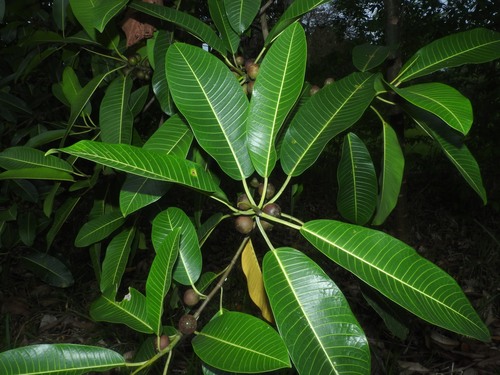
A tree. It grows 35-40 m tall. The trunk can be 65 cm across. It has buttresses. The flowers are on the older branches and trunk. The fruit are 9 cm long by 4.5 cm wide. The fruit are hard to handle due to their spiky coat.
Edible Uses
Several species in the genus bear edible fruit and are commonly cultivated: Breadfruit (Artocarpus altilis), Cempedak (Artocarpus integer), Jackfruit (Artocarpus heterophyllus), Kwai Muk (Artocarpus parvus), Lakoocha (Artocarpus lakoocha), Pudau (Artocarpus kemando), Anjily (a.k.a. Jungle Jack) (Artocarpus hirsutus), Chaplaish (Artocarpus chama), and Marang (Artocarpus odoratissimus). Breadfruit and jackfruit are cultivated widely in the tropical Southeast Asia. Other species are cultivated locally for their timber, fruit or edible seeds. Anjily, A. hirsutus, is grown for fruit and timber in the Western Ghats.
Traditional Uses
The seeds are roasted and eaten.
This uses section is brief — help expand it
Distribution
It is a tropical plant. In Maluku it grows up to 350 m above sea level.
Where It Grows
Asia, Indonesia, SE Asia,
Synonyms
Also Known As
Dinga, Pongo
References (2)
- PROSEA
- World Checklist of Useful Plant Species 2020. Royal Botanic Gardens, Kew