Imperata koenigii
(Retz.) P. Beauv.
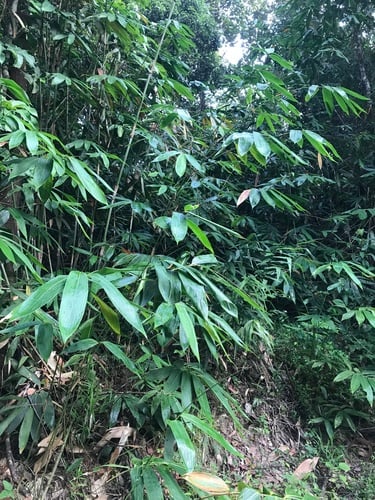
iNaturalist· cc-by
(c) 蜻蜓, some rights reserved (CC BY)
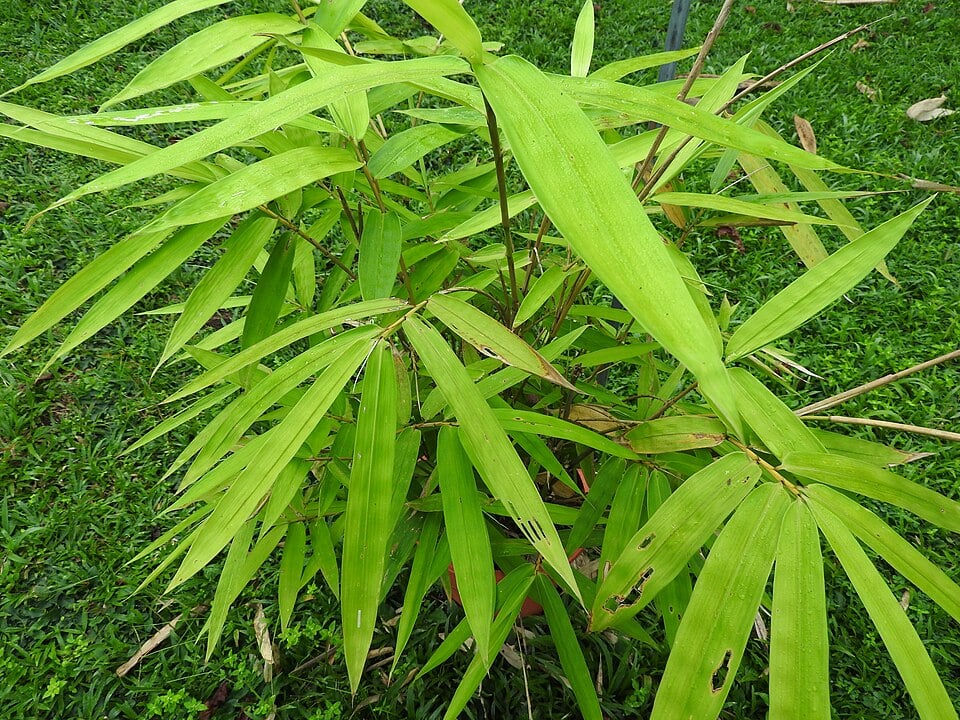
iNaturalist· cc-by
(c) 蜻蜓, some rights reserved (CC BY)
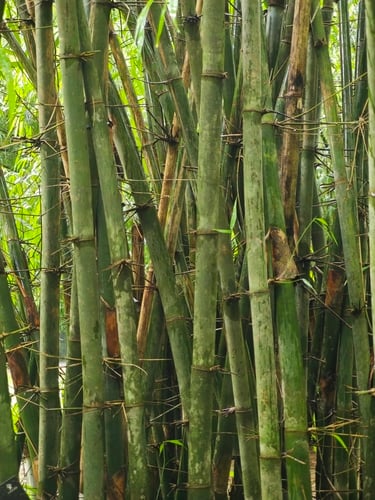
iNaturalist· cc-by
(c) 蜻蜓, some rights reserved (CC BY)
Description
A temperate grass species with young edible buds.
This description is brief — help expand it
Edible Uses
It is regarded as an excellent plant for thatching the roofs of traditional homes throughout south-east Asia, and is even grown as a crop for this purpose. It is planted extensively for ground cover and soil stabilization near beach areas and other areas subject to erosion. Other uses include paper-making, thatching and weaving into mats and bags. It is used in traditional Chinese medicine. A number of cultivars have been selected for garden use as ornamental plants, including the red-leaved 'Red Baron', also known as Japanese blood grass. Young inflorescences and shoots may be eaten cooked, and the roots contain starch and sugars.
Traditional Uses
The young buds are eaten by children.
This uses section is brief — help expand it
Medicinal Uses
The plant contains the triterpenoids arundoin, cylindrin and fernenol.
Distribution
It is a temperate plant.
Where It Grows
Asia, Japan, Myanmar, SE Asia,
Notes
There are 6-10 Imperata species.
Also Known As
Thekke-kyet-mi
References (2)
- Altschul, S.V.R., 1973, Drugs and Foods from Little-known Plants. Notes in Harvard University Herbaria. Harvard Univ. Press. Massachusetts. no. 11
- Ess. Agrostogr. 165, 177. 1812