Crotalaria valetonii
Backer
gbif· cc-by
Moscow State University (copyright is managed by Dr. Alexey P. Seregin)
gbif· cc-by
Moscow State University (copyright is managed by Dr. Alexey P. Seregin)
gbif· cc-by
GBIF
Description
A shrub. It grows 1 m tall. It has dense yellow hairs. The flowers are yellow. The pods are black and have 1 seed.
This description is brief — help expand it
Known Hazards
No specific mention of toxicity has been seen for this species, but many members of this genus are known to contain pyrrolizidine alkaloids, the most potent of which in this genus are monocrotaline, retrorsine and retronecine. These alkaloids have a cumulative effect upon the body and, unless concentrations in a plant are high, occasional consumption is generally completely safe. Pyrrolizidine alkaloids are derived from amino acids including ornithine. Many of these alkaloids have pronounced hepatic toxicity, but the lungs and other organs may be affected as well. Mutagenic and carcinogenic activities of pyrrolizidine alkaloids have also been reported.
Distribution
It is a tropical plant.
Where It Grows
Asia, Indochina, SE Asia, Vietnam,
Cultivation
A plant of drier areas in the lowland tropics, it can also be grown in more humid areas. Grows best in a sunny position. Succeeds in dry and moist soils. A fast-growing plant. Under dry conditions the plant sets seed after 6 months and may live up to 18 months. This species has a symbiotic relationship with certain soil bacteria; these bacteria form nodules on the roots and fix atmospheric nitrogen. Some of this nitrogen is utilized by the growing plant but some can also be used by other plants growing nearby.
Propagation
Seed - sow in situ. Pre-soaking the seed for 12 hours in warm water can help to reduce germination time.
Other Uses
The plant has been grown as a green manure and cover crop in coffee and tea plantations, but its present use is not well known.
Notes
There are about 550 Crotalaria species. They are mostly tropical.
Also Known As
Sucsac Valeton
References (1)
- Bull. Jard. Bot. Buitenzorg ser. 3, 2:324. 1920
More from Fabaceae
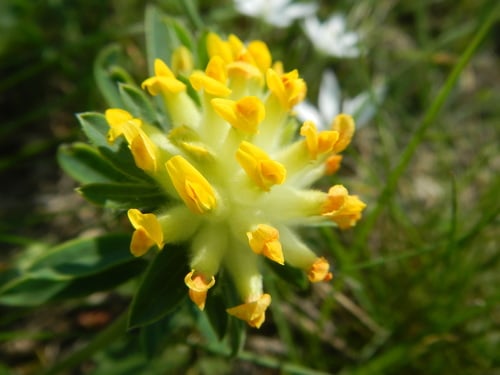
Anthyllis vulneraria
Rajenik, Kidney vetch
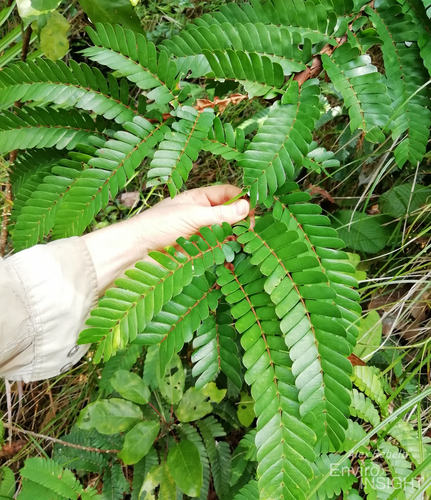
Aphanocalyx pteridophyllus
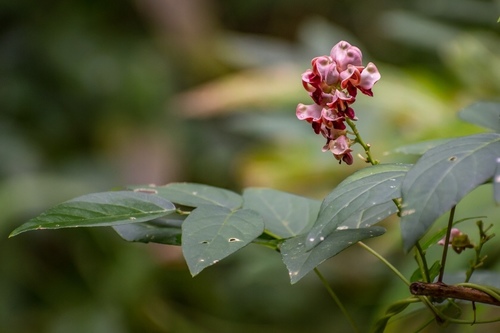
Apios americana
Ground nut, Cinnamon Vine, American potato bean, Apios, Bog potato, Kopniss
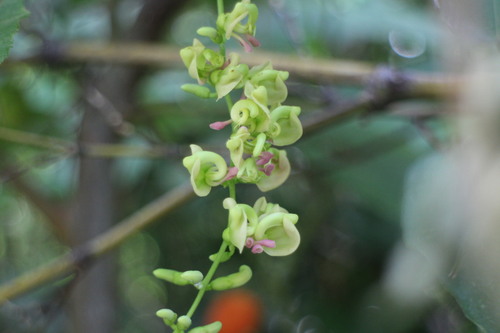
Apios fortunei
Ground pear, Potato bean
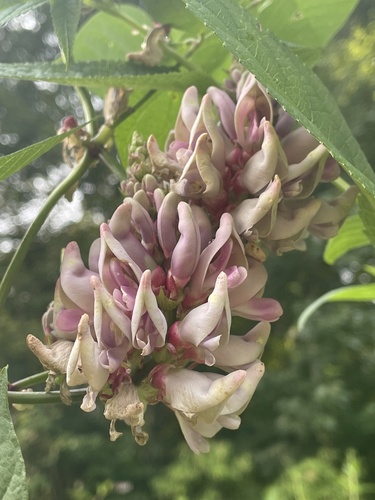
Apios priceana
Groundnut, Price’s potato-bean, Traveller’s delight
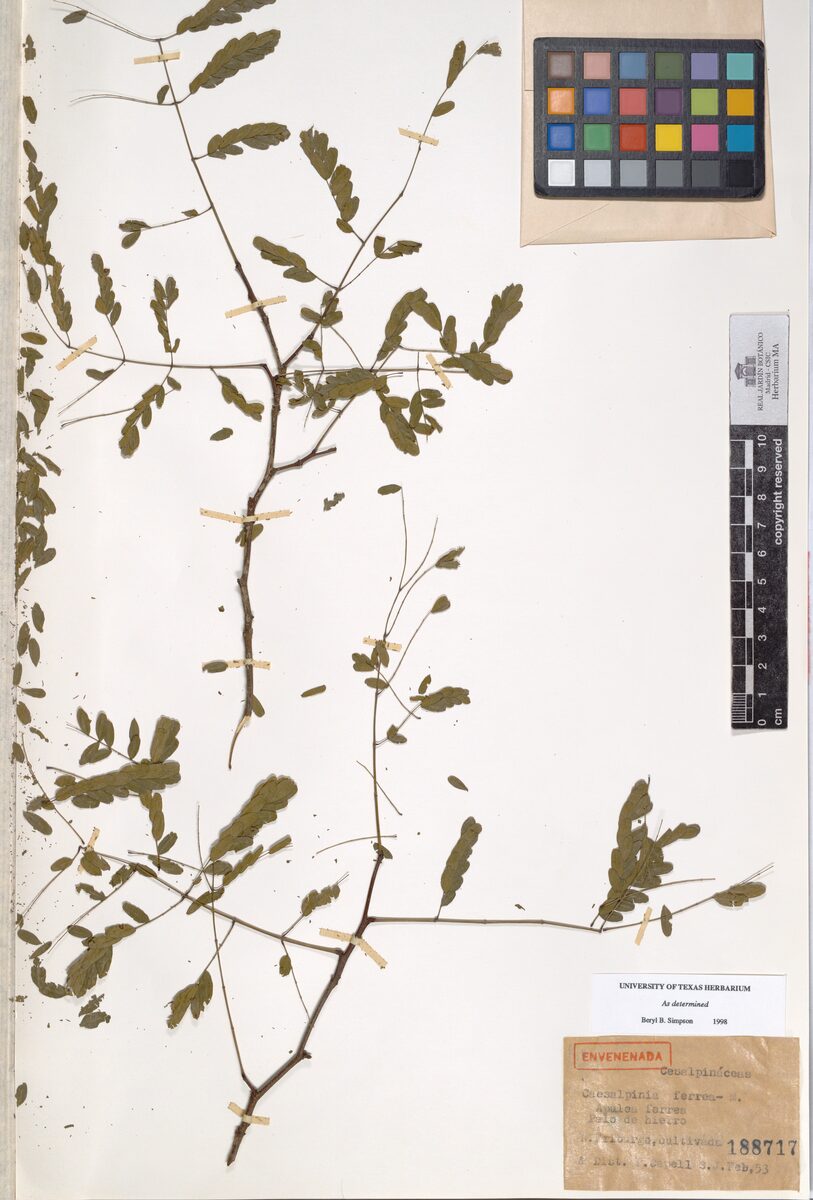
Apuleia ferrea
Brazilian ironwood