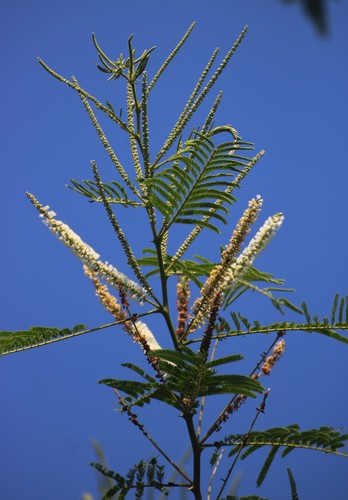
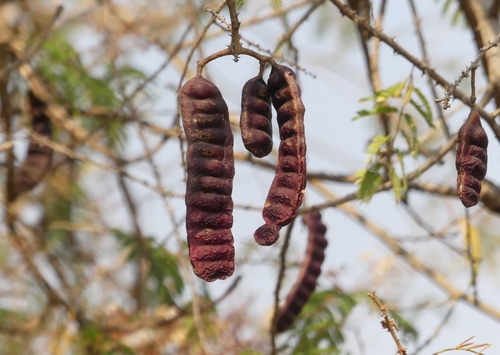
Lonchocarpus guatemalensis
Benth.
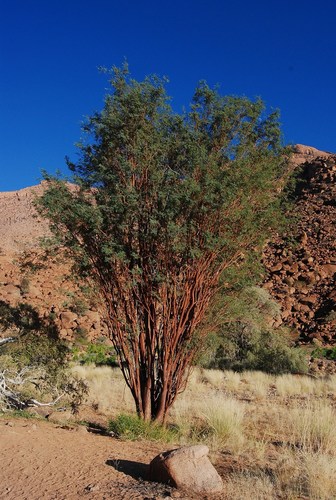
iNaturalist· cc-by-nc
(c) Emmanuel Garcia Gutierrez, some rights reserved (CC BY-NC), uploaded by Emmanuel Garcia Gutierrez
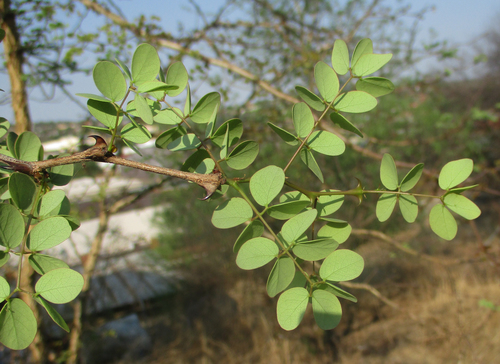
iNaturalist· cc-by-nc
(c) weilival, some rights reserved (CC BY-NC)
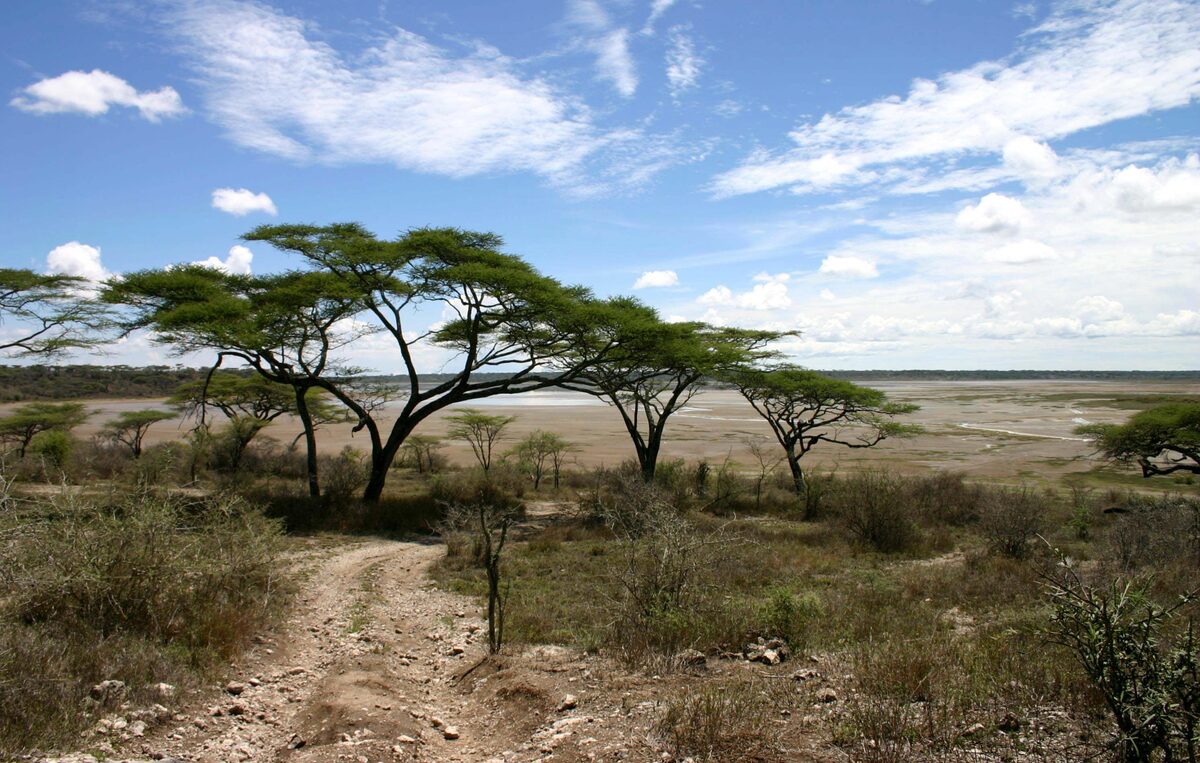
iNaturalist· cc-by-nc
(c) Aurelio Molina Hernández., some rights reserved (CC BY-NC)
Description
A tree.
This description is brief — help expand it
Distribution
It is a tropical plant.
Where It Grows
Belize, Central America, Costa Rica, El Salvador, Guatemala, Honduras, Mexico, Nicaragua, North America, Panama,
Propagation
Like many species within the family Fabaceae, once they have been dried for storage the seeds of this species may benefit from scarification before sowing in order to speed up and improve germination. This can usually be done by pouring a small amount of nearly boiling water on the seeds (being careful not to cook them!) and then soaking them for 12 - 24 hours in warm water. By this time they should have imbibed moisture and swollen - if they have not, then carefully make a nick in the seedcoat (being careful not to damage the embryo) and soak for a further 12 hours before sowing.
Other Uses
The wood in the various Central American species of Lonchocarpus is rather highly coloured, hard, heavy, tough, and strong. It is used to some extent locally for heavy and durable construction. We have no more information on the wood of this species. However, we have a general description of the wood for members of this genus, which is as follows:- The heartwood is yellowish-brown to dark reddish-brown, striped with rather fine uniform parenchyma laminations of a lighter colour; it is sharply demarcated from the thick band of yellowish sapwood. The texture is moderately coarse; the grain straight to irregular or interlocked; lustre is low to medium; there is no distinctive odour or taste. Durability varies considerably with the species. Seasoning also varies with species, the drying rate can be rather slow to rather rapid. It is reported to dry satisfactorily without excessive distortion or shrinkage if dried slowly. In spite of its hardness, the wood is not particularly difficult to work; smooth planing, however, is difficult because of interlocked grain. It is used for purposes such as heavy construction, flooring, furniture components etc. Durable species have been suggested for railroad crossties.
Synonyms
References (1)
- Grandtner, M. M., 2008, World Dictionary of Trees. Wood and Forest Science Department. Laval University, Quebec, Qc Canada. (Internet database http://www.wdt.qc.ca)