Lonchocarpus laxiflorus
Guill. & Perr.
iNaturalist· cc-by
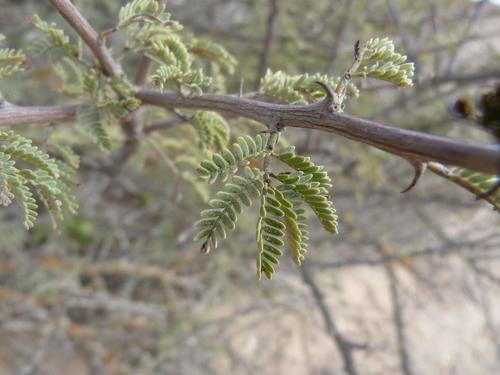
(c) Murphy Tladi, some rights reserved (CC BY)
iNaturalist· cc-by
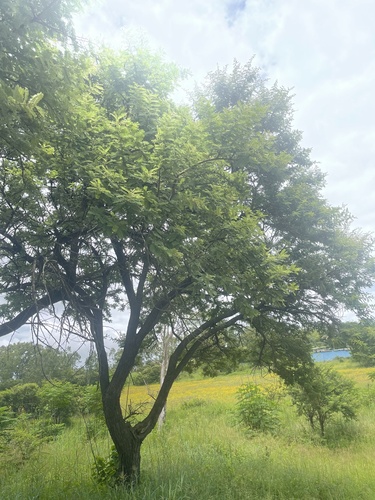
(c) Alan Manson, some rights reserved (CC BY)
iNaturalist· cc-by
(c) Alan Manson, some rights reserved (CC BY)
Description
A small tree. It grows 4-8 m tall. The bark is grey to yellow. The leaves are compound. The flowers are purple. The fruit is a papery pod. It usually contains on seed.
Edible Uses
The leaves, flowers, and fruit are edible. The fruit can be dried and stored for later use.
Traditional Uses
The fruit can be dried and stored.
This uses section is brief — help expand it
Medicinal Uses
It is used as medicine.
Known Hazards
Ph. laxiflorus has been little studied, though many species in the related genus Lonchocarpus contain rotenoids, tannins, flavonoids, and isoflavonoids. One study extracted several new compounds from the bark: two isoflavanes (lonchocarpane and laxiflorane) and two pterocarpanes (philonopterane and 9-O-methyl derivative). Nothing specific is known about the toxicology of Ph. laxiflorus.
Distribution
It is a tropical plant. It grows in savannah areas. It grows between 450-2,150 m above sea level.
Where It Grows
Africa, Benin, Burkina Faso, Central African Republic, CAR, Ethiopia, Gambia, Kenya, Nigeria, Senegal, Sudan, Togo, Uganda, West Africa,
Notes
It is used as medicine.
Synonyms
Also Known As
Alwaro, Amera, Lero, Marchessa, Oleme, Orora, Riak, Tsengwerefya
References (2)
- Gallagher, D. E., 2010, Farming beyond the escarpment: Society, Environment, and Mobility in Precolonial Southeastern Burkina Faso. PhD University of Michigan.
- Grubben, G. J. H. and Denton, O. A. (eds), 2004, Plant Resources of Tropical Africa 2. Vegetables. PROTA, Wageningen, Netherlands. p 563