Sterculia rhinopetala
K. Schum.
Sterculia Brown
wikimedia· cc0
Wikimedia Commons - Collector(s): Amarh, Amponsah Identifier: Gabriel Ameka
Description
A large tree. It grows to 40 m high and is 4 m around the trunk. It has buttresses that can be 3 m high. The bark is grey-brown and flakes into small squares. The small branches have red hairs when young. The leaves are 10-30 cm long by 3-16 cm wide. They are oblong and rounded at the base. The stalks are 3-11 cm long. The fruit are made up of 4-5 brown, boat shaped cells. Each one is 5-7 cm long. The seeds are enclosed in red arils or seed covering. The fruit split along the top side to expose the seeds. There are 8 seeds.
Edible Uses
The wood ash yields a vegetable salt that is used in cooking. Although we have seen no specific information for this species, the large seeds of many species in this genus are used for food. Usually cooked, they are rich in oil and have a flavour described by some as like peanuts. The seeds are about 18mm × 8mm, with a red fleshy seed coat, dangling from the open fruit on white threads.
Medicinal Uses
A mixture of the powdered bark and oil is applied to swellings and taken orally to counteract flatulence.
Distribution
It is a tropical plant. It grows in the lowland rainforest. It suits humid locations. It suits drier types of forest.
Where It Grows
Africa, Benin, Cameroon, Central Africa, Central African Republic, CAR, Côte d'Ivoire, Ghana, Ivory Coast, Nigeria, Togo, West Africa,
Cultivation
Plants can be grown from seeds. They germinate in 10 days. It germinates in the dark but then needs sunlight to grow.
Propagation
Seed - germinates rapidly both in light and in darkness. Germination starts after 4 - 12 days. Planting in full sun is possible. A physical dormancy caused by the hard seed coat of the mature seeds of many species in this genus can be overcome by scarifying the seed. This is carried out by cutting away or abrading some of the seed coat to allow the ingress of water, though great care must be taken not to damage the embryo. The aril surrounding the seed should also be removed - this is easiest when it has been softened through soaking in water. The seeds germinate optimally at temperatures between 20 - 30°c. They can be sown in a nursery seedbed or in containers. A germination rate of about 95%, occurring within about 2 weeks can be expected if the seed has been properly treated.
Other Uses
The wood ash yields a vegetable salt that is used in soap making. The heartwood is pale to deep reddish brown; it is distinctly demarcated from the 4 - 6cm wide band of white or creamish sapwood. The grain is straight or slightly interlocked; texture medium to coarse; growth rings are distinct; quarter sawn surfaces have an attractive figure. The wood is moderately heavy to heavy, tough; moderately hard to hard; moderately durable, being moderately resistant to termite attack, although pinhole borer attack sometimes occurs. It seasons slowly, with a high risk of checking and distortion; once dry it is moderately stable in service. The wood saws and works easily with hand and machine tools, but tends to blunt tool edges and saw teeth; there can be some difficulties when planing due to the interlocked grain; it finishes well, but a filler is needed; it holds nails and screws well, but pre-boring is recommended to avoid splitting on nailing; gluing is correct for internal purposes only; peeling and slicing properties are fairly good; steam bending properties are moderate. The wood is suitable for construction, flooring, joinery, interior trim, panelling, stairs, high-quality furniture, ship and boat building, tool handles, toys, turnery, poles, veneer and plywood. It is apparently suitable for paper making but is not as yet used for this purpose.
Notes
Also put in the family Sterculiaceae.
Also Known As
Aye, Bulembo, Lotofa, Nkanang, Nkanga, Ogiokoko, Orodo, Wawabimma
References (7)
- Abbiw, D.K., 1990, Useful Plants of Ghana. West African uses of wild and cultivated plants. Intermediate Technology Publications and the Royal Botanic Gardens, Kew. p 49
- Burkill, H. M., 1985, The useful plants of west tropical Africa, Vol. 5. Kew.
- Keay, R.W.J., 1989, Trees of Nigeria. Clarendon Press, Oxford. p 129
- Oteng-Amoako, A. A. (Ed.), 2006, 100 Tropical African Timber Trees from Ghana. Forestry Research Institute of Ghana. p 230
- Sterculiac. afr. 102. 1900
Show all 7 references Hide references
- Vivien, J. & Faure, J.J., 1985, Abres des forets dense d'Afrique Centrale. Agence de Cooperation Culturelle et Technique. Paris. p 462
- World Checklist of Useful Plant Species 2020. Royal Botanic Gardens, Kew
More from Malvaceae
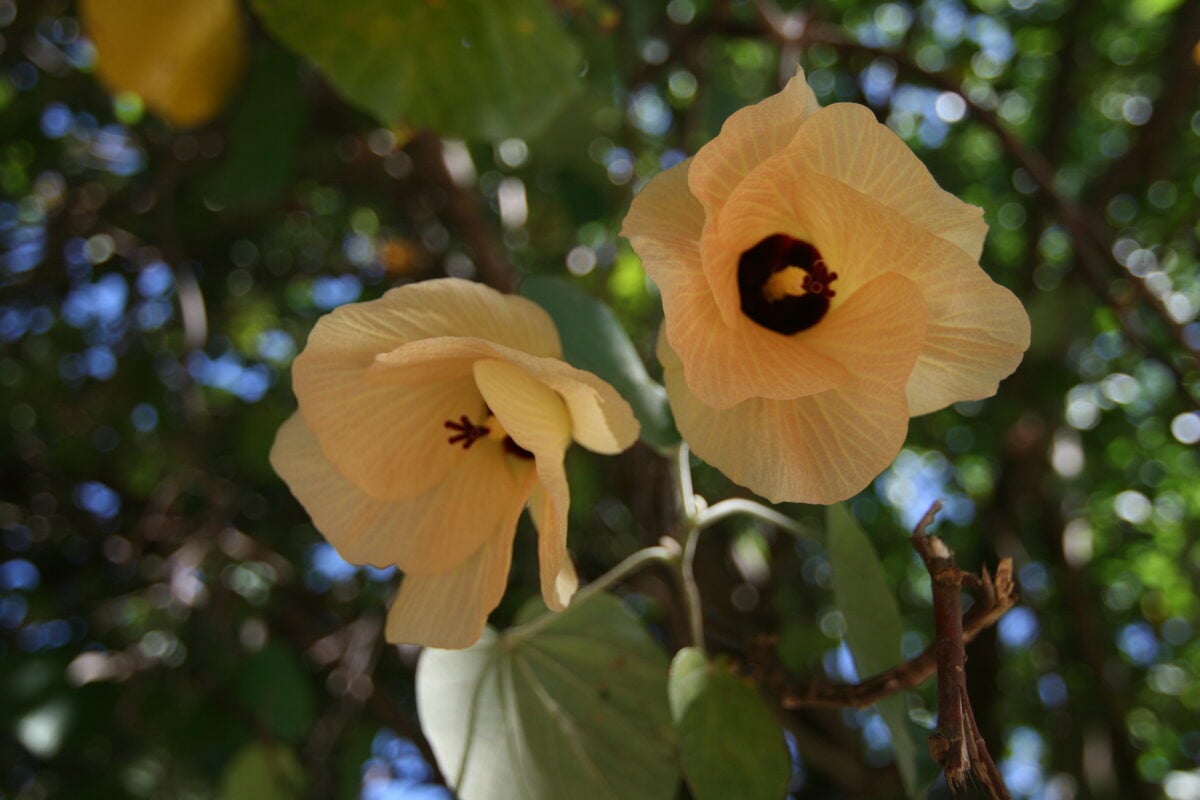
Hibiscus tiliaceus
Cotton Tree, Beach Hibiscus, Country mallow, Sea hibiscus, Yellow mallow
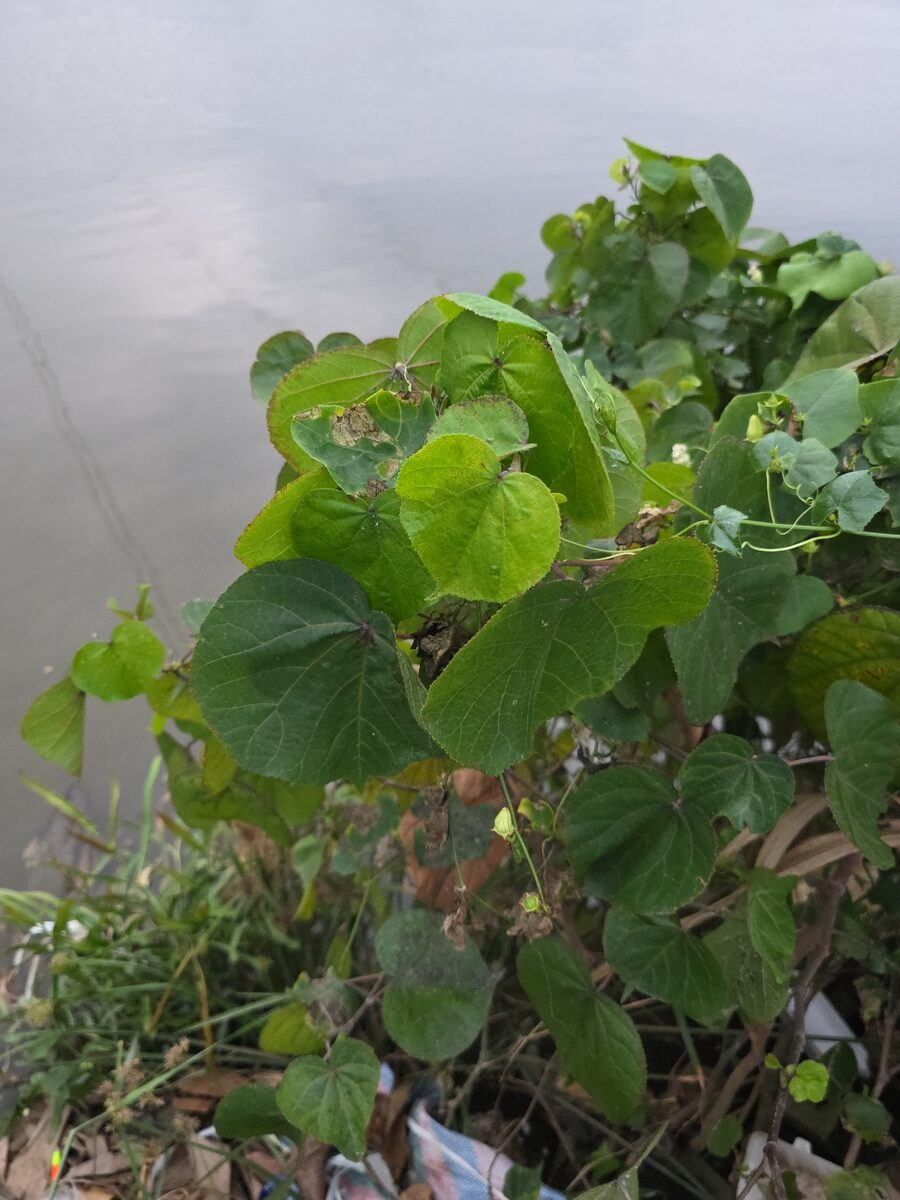
Hibiscus tilliaceus
Beach Hibiscus, Sea Hibiscus
Hibiscus trionum
Flower-of-an-hour
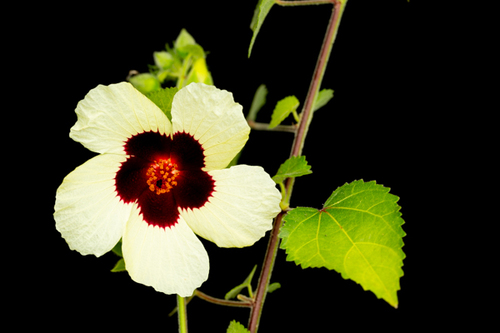
Hibiscus vitifolius
Tropical rose mallow
Hildegardia barteri
Krobo Christmas tree, Kariya tree
Hoheria sexstylosa
Lacebark, Ribbonwood