Sterculia brevissima
H. H. Hsue
Holahochei
iNaturalist· cc-by-nc
(c) Cédric DEL RIO, some rights reserved (CC BY-NC), uploaded by Cédric DEL RIO
Description
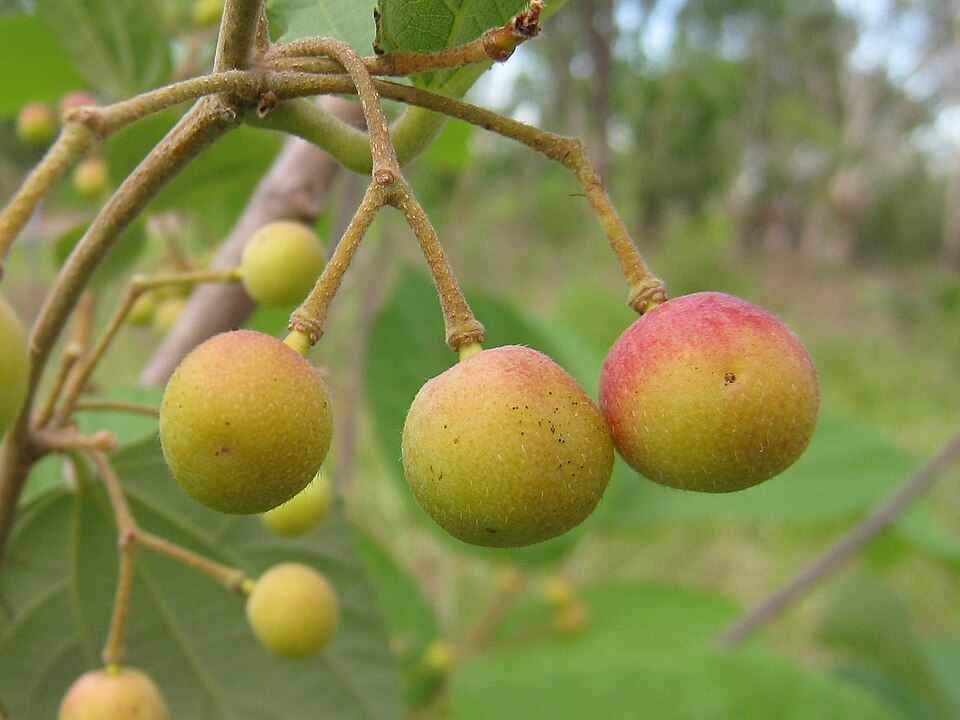
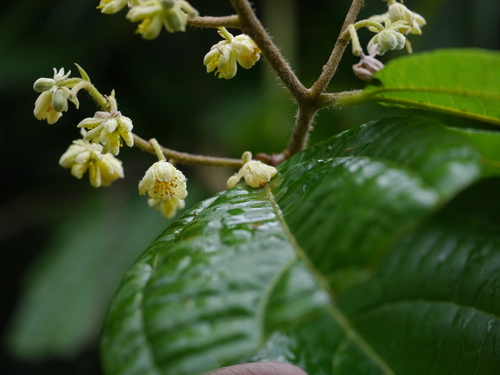
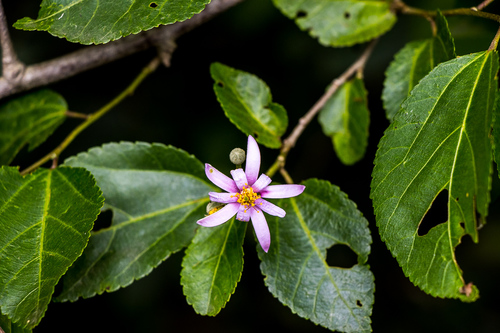
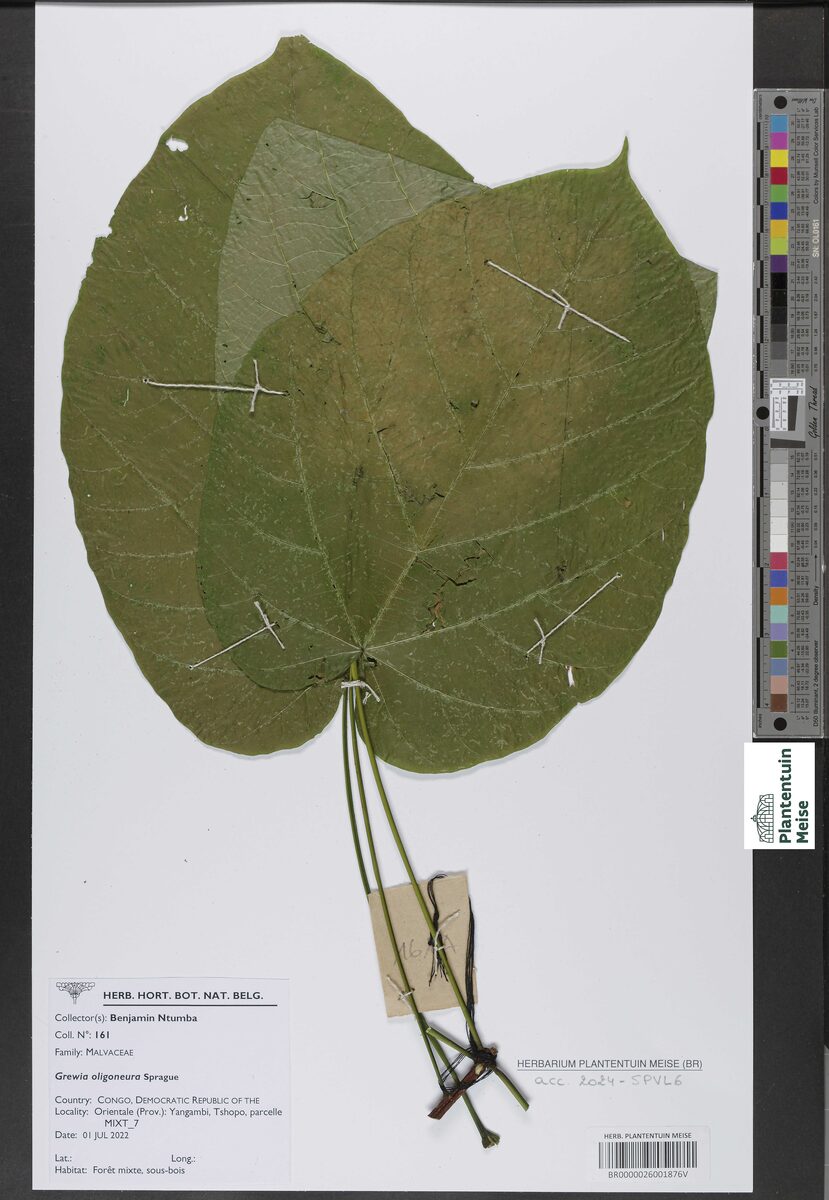
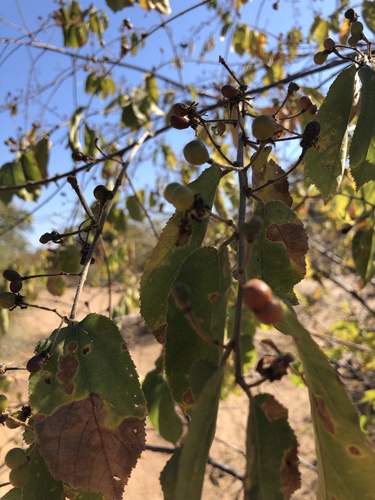
A shrub or small tree. The young branches are yellow and hairy. Leaves are clustered near the ends of branches. The leaf stalk is short. The leaves are narrowly sword shaped and 15-30 cm long by 4-7 cm wide. They are papery and smooth. There are 14-16 veins on each side of the main vein. The flowering shoots are slender and hang down in the axils of the leaves. The fruit is a red-brown follicle 8 cm long by 2 cm wide. They are hairy. The seeds are round and brown. They are 1 cm across.
Edible Uses
The seeds are boiled before eating. The fruit is also edible.
Traditional Uses
The seeds are boiled before eating.
This uses section is brief — help expand it
Distribution
A tropical plant. In Yunnan in China it grows between 500-1300 m above sea level. It grows in secondary forest.
Where It Grows
Asia, China,
Cultivation
Plants are grown from seeds.
Notes
Also put in the family Sterculiaceae.
Nutrition
| Part | Moisture | kJ | kcal | Protein | Vit A | Vit C | Iron | Zinc |
|---|---|---|---|---|---|---|---|---|
| Fruit/Seed | 22 | — | — | — | — | 2 | — | — |
Synonyms
Also Known As
Duan bing ping po, Durangm, Sa qiu huo bi
References (2)
- Jin, Chen et al, 1999, Ethnobotanical studies on Wild Edible Fruits in Southern Yunnan: Folk Names: Nutritional Value and Uses. Economic Botany 53(1) pp 2-14
- Luo, B., et al, 2019, Wild edible plants collected by Hani from terraced rice paddy agroecosystem in Honghe Prefecture, Yunnan, China. Journal of Ethnobiology and Ethnomedicine 15:56