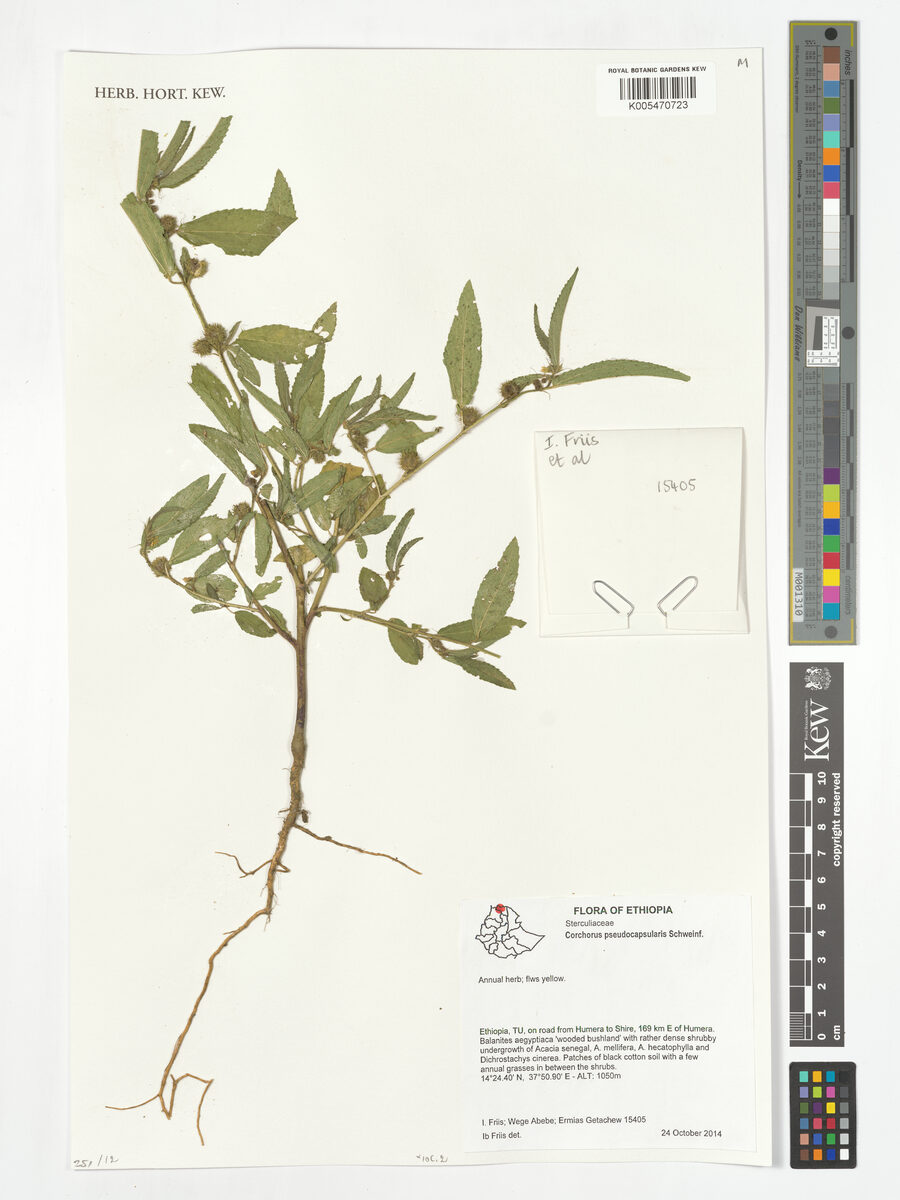
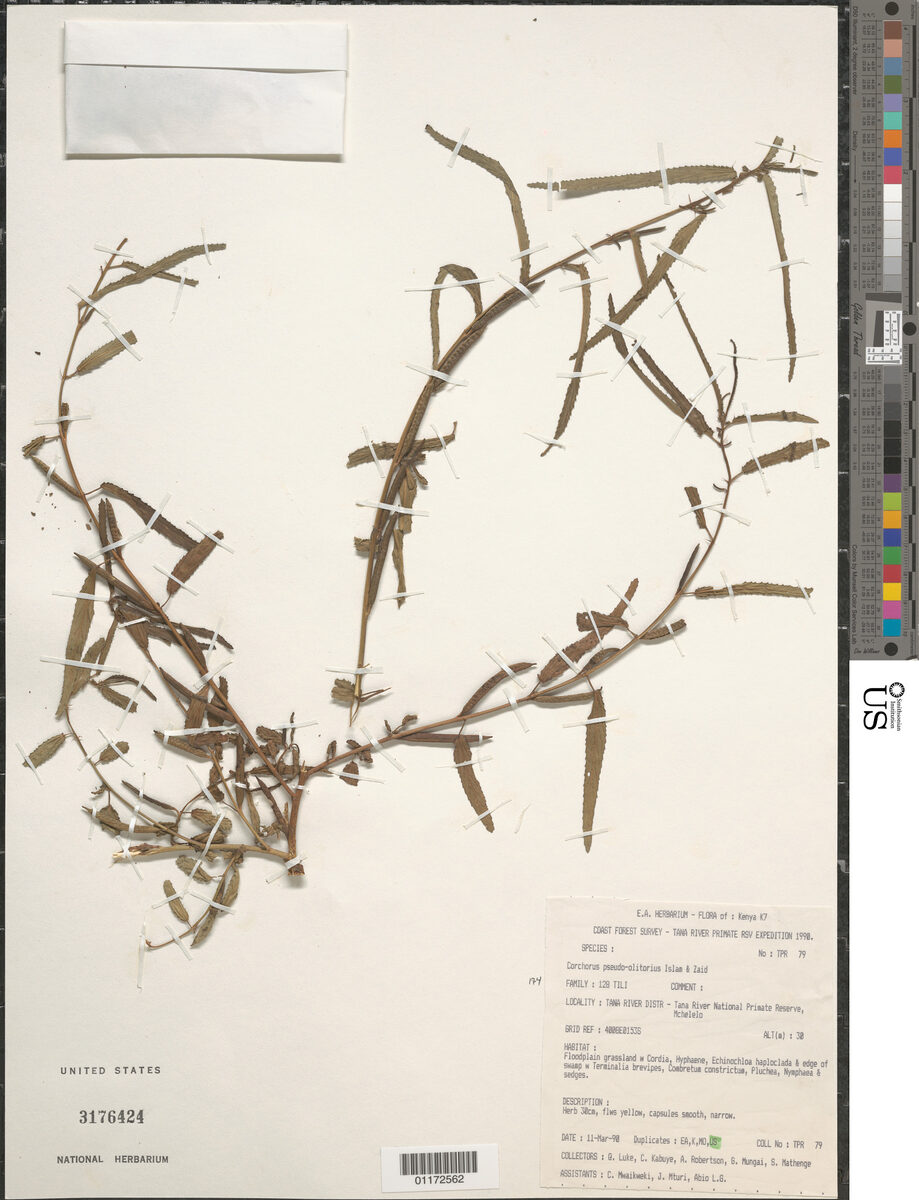
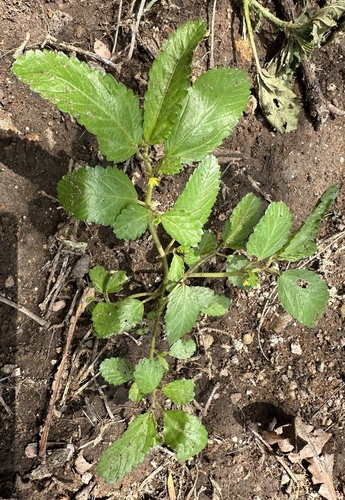
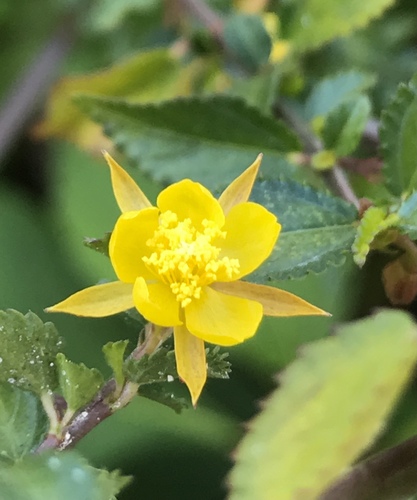
Sterculia ampla
Baker f.
iNaturalist· cc-by-nc
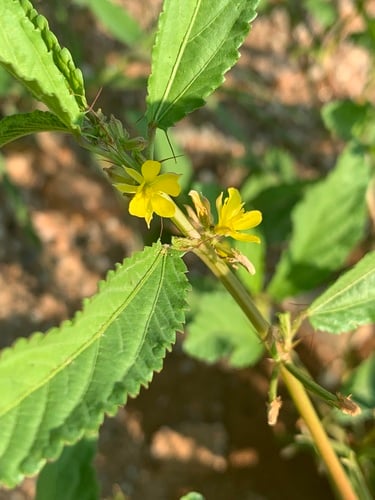
(c) Hakim, some rights reserved (CC BY-NC), uploaded by Hakim
iNaturalist· cc-by-nc
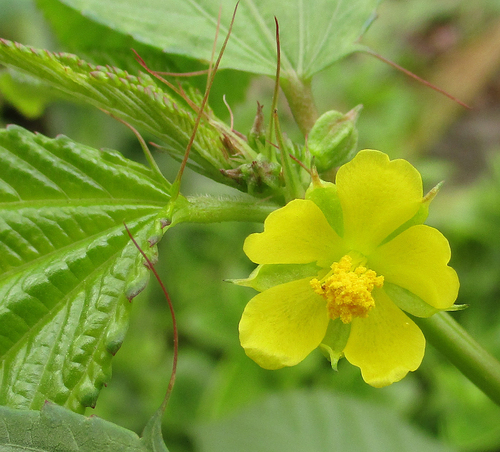
(c) Hakim, some rights reserved (CC BY-NC)
Description
A tree. It grows 20 m tall. The trunk is 45 cm across. The leaves are heart shaped. The flowers are pale pink. The fruit are in groups of 3. The fruit are green to black and boat shaped. They are red inside.
Edible Uses
The seeds are cooked and eaten.
Traditional Uses
The seeds are cooked and eaten.
This uses section is brief — help expand it
Distribution
It is a tropical plant. It grows along the Sepik River and other places. It grows in the lowland rainforest.
Where It Grows
Papua New Guinea, PNG,
Propagation
A physical dormancy caused by the hard seed coat of the mature seeds of many species in this genus can be overcome by scarifying the seed. This is carried out by cutting away or abrading some of the seed coat to allow the ingress of water, though great care must be taken not to damage the embryo. The aril surrounding the seed should also be removed - this is easiest when it has been softened through soaking in water. The seeds germinate optimally at temperatures between 20 - 30°c. They can be sown in a nursery seedbed or in containers. A germination rate of about 95%, occurring within about 2 weeks can be expected if the seed has been properly treated.
Other Uses
The wood is traded commercially.
Synonyms
References (2)
- Flora of Papua New Guinea Lae National Herbarium
- World Checklist of Useful Plant Species 2020. Royal Botanic Gardens, Kew