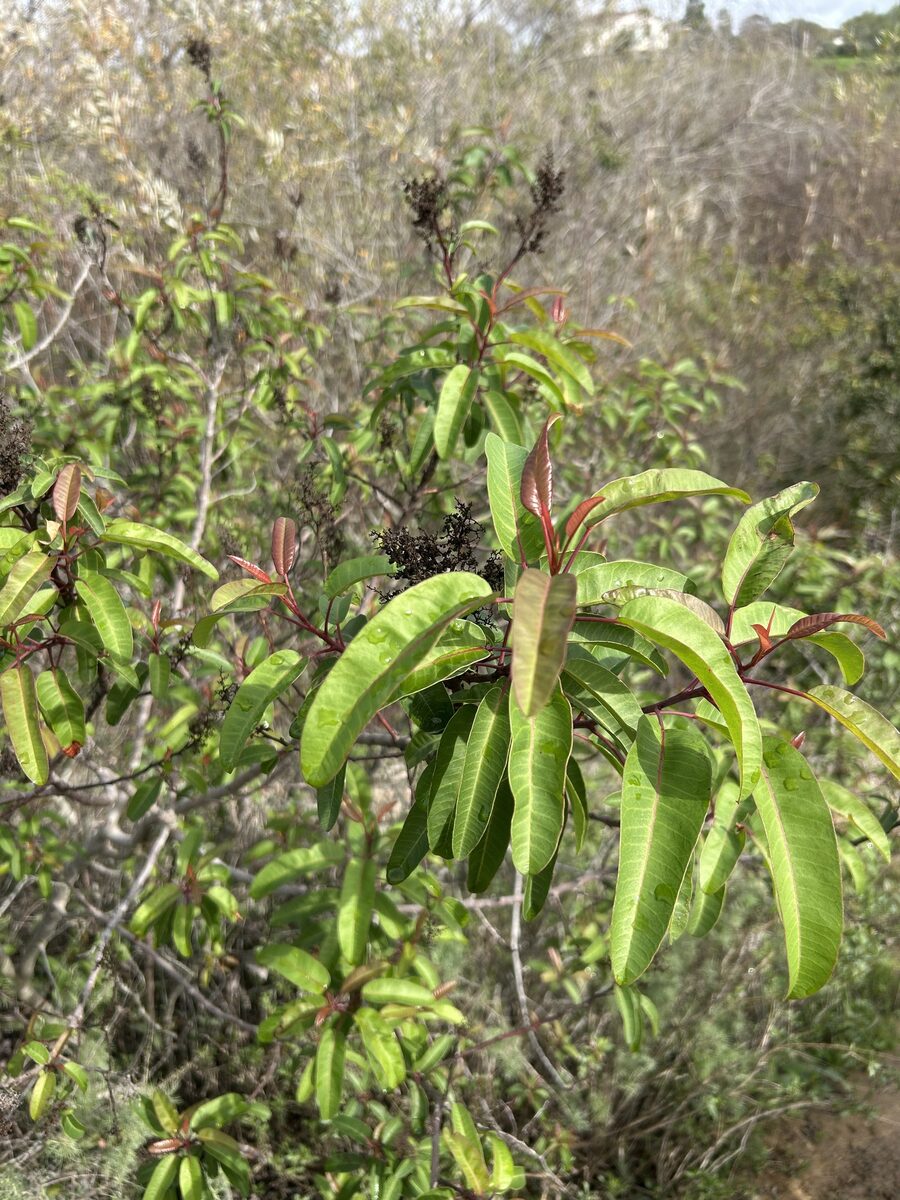
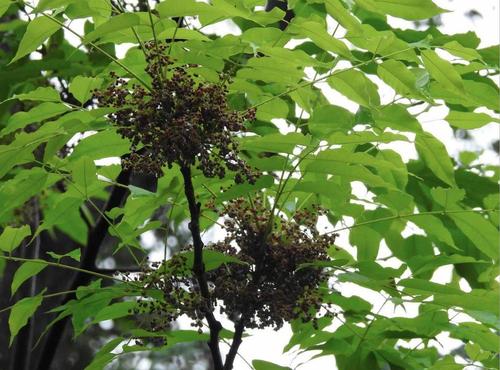
Semecarpus vitiensis
(A. Gray) Engl.
Itchwood
iNaturalist· cc-by
(c) Dominik Maximilián Ramík, some rights reserved (CC BY), uploaded by Dominik Maximilián Ramík
iNaturalist· cc-by
(c) Dominik Maximilián Ramík, some rights reserved (CC BY), uploaded by Dominik Maximilián Ramík
Description
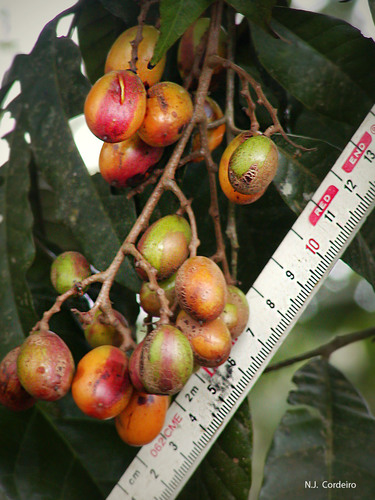
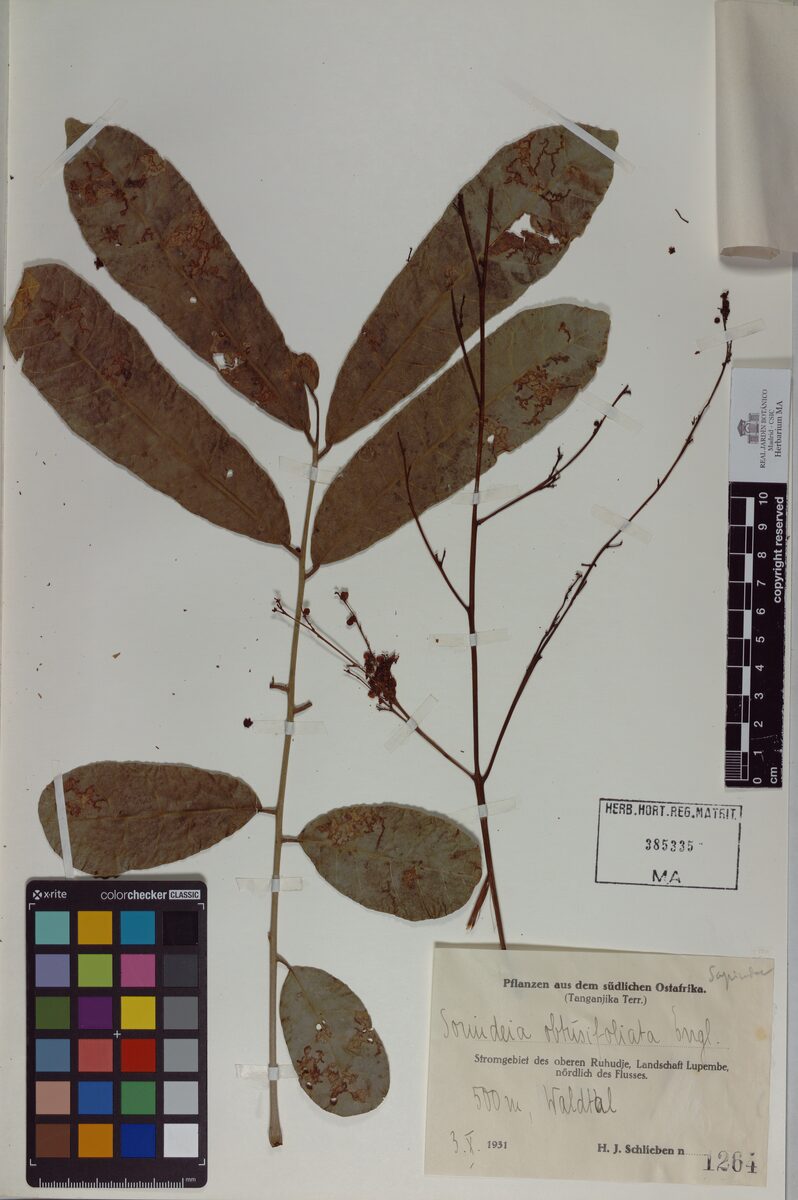
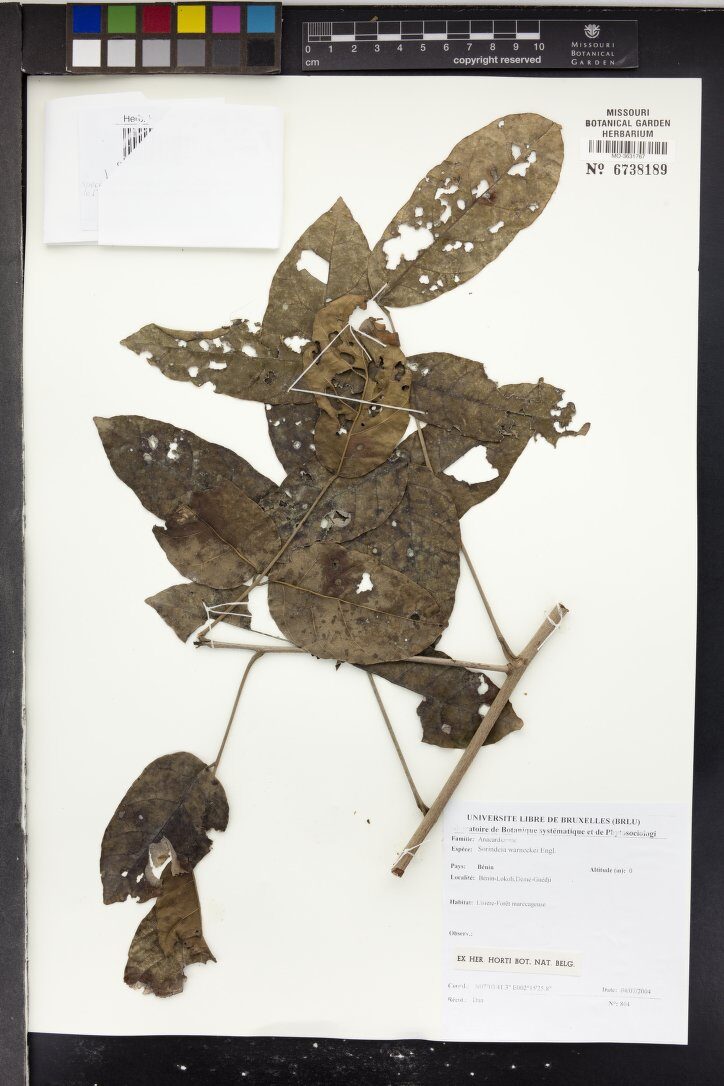
A large tree. It grows 30 m high. The bark is brown with light brown patches where flakes have been shed. The leaves are large and oblong. The flowers are white. The fruit is small and corky with a fleshy base. It has an irritating milky sap.
Edible Uses
The kernel is boiled and eaten.
Traditional Uses
The kernel is boiled and eaten. Caution: The sap can blister the skin.
This uses section is brief — help expand it
Known Hazards
The sap can blister the skin.
Distribution
A tropical plant. It can grow in dense forests from sea level to 900 m above sea level.
Where It Grows
Fiji, New Caledonia, Pacific, Tonga, Vanuatu,
Notes
An "unresolved" name in "The Plant List".
Synonyms
Also Known As
Bhilawa, Kaukaro
References (7)
- Franklin, J., Keppel, G., & Whistler, W., 2008, The vegetation and flora of Lakeba, Nayau and Aiwa Islands, Central Lau Group, Fiji. Micronesica 40(1/2): 169–225, 2008
- GTZ 1996, A Guide to some Indigenous Fijian Trees. GTZ Suva. p 95
- Hedrick, U.P., 1919, (Ed.), Sturtevant's edible plants of the world. p 448 (As Oncocarpus vitiensis ?)
- Pramono, S., Gleye, J., Debray, M., Stanislas, E., 1981 ,Flavonoides de Semecarpus vitiensis. Plantes medicinales et phytotherapie. Plant Med Phytother Oct 1981. v. 15 (4) p. 224-229.
- Seemann, B., 1873, Flora Vitiensis. (As Oncocarpus vitiensis)
Show all 7 references Hide references
- Thaman, R. and W. Clarke, Paper on Agroforestry on Aneityum and Tanna, Vanuatu from Internet
- Wickens, G.E., 1995, Edible Nuts. FAO Non-wood forest products. FAO, Rome. p 108