Mangifera kemanga
Blume
Kemang mango
iNaturalist· cc-by-sa
(c) Ong Jyh Seng, some rights reserved (CC BY-SA), uploaded by Ong Jyh Seng
wikimedia· cc-by-sa
Wikimedia Commons - Wibowo Djatmiko (Wie146)
wikimedia· cc-by-sa
Wikimedia Commons - Mangostar
Summary
Source: WikipediaA deciduous tree reaching 30 m tall and wide at medium growth rate, hardy to UK zone 10. It produces insect-pollinated flowers and grows in light sandy, medium loamy, and heavy clay soils. Prefers mildly acid to neutral pH and moist conditions with full sun exposure.
Description
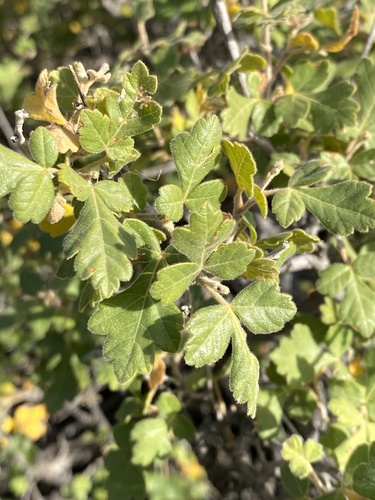
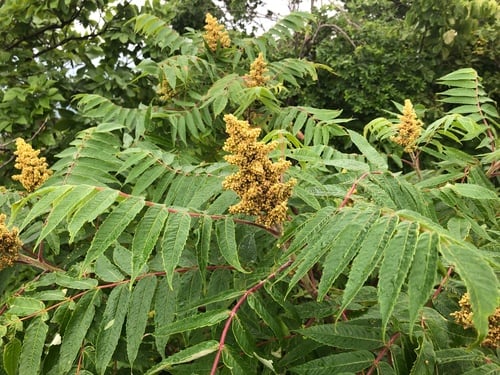
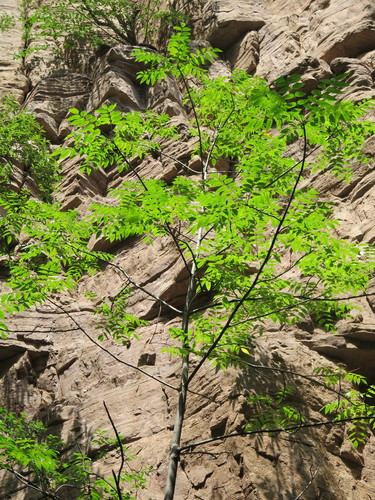
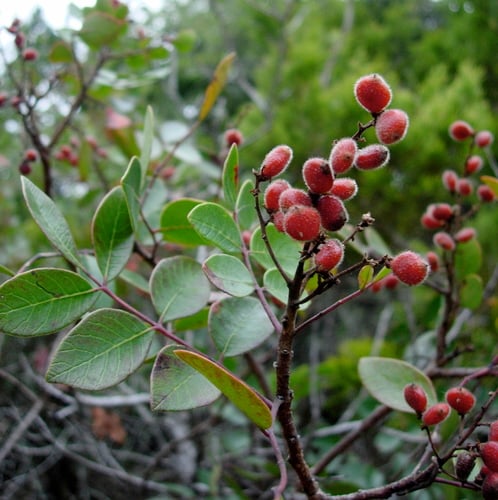
A large tree. It is like Mangifera caesia. It grows 30 m tall. The crown is dense. The leaves have very short stalks. The leaves are narrowly oval and leathery. They are more pale underneath. The flowering stalks are up to 75 cm long. The fruit are dull yellow-brown when mature.
Edible Uses
The fruit has very juicy, very fibrous, copious white pulp with a strong flavour that some find agreeable and others offensive. Kemang fruit is eaten fresh when ripe or used for home-made juice. Unripe fruit is used to make rujak, a dish of sliced green fruit covered with a spicy sauce. A highly esteemed drink is prepared from the juice with sugar, ice, and a pinch of coffee powder. The yellowish-brown fruit is pear-shaped and contains a single large seed. Young leaves are eaten raw or cooked, most commonly in lalab, a dish of fresh leafy vegetables served alongside rice. Occasionally a dish is made from fresh grated seeds combined with fermented soya beans and spices; the grated seed is also used to prepare sambal kemang with the addition of chili and salt.
Traditional Uses
The fruit are eaten fresh when ripe. They are also used for juice. The unripe fruit are used to with a spicy sauce. The fresh seeds can be grated then used with fermented soya beans and spices. The young leaves are eaten.
Medicinal Uses
None known
Known Hazards
Unlike the related Mangifera caesia, the sap of this species does not cause skin irritations or blisters.
Distribution
A tropical plant. They grow in the humid tropics. They are often in locations which are occasionally flooded. They are normally below 400 m altitude. They like an evenly distributed rainfall.
Where It Grows
Asia, India, Indonesia, Malaysia, New Guinea, SE Asia,
Cultivation
A plant of the wet, tropical lowlands, where it is usually found at elevations below 400 metres, but rarely up to 800 metres. It requires a rainfall which is evenly distributed through the year. The plant stands inundation well and is commonly cultivated on periodically inundated riverbanks in East Kalimantan. Mature trees require much space, 12 - 16 metres each way being typical. Natural hybrids between Mangifera kemanga and Mangifera caesia, showing intermediate characteristics, are found in orchards in East Kalimantan.
Propagation
The plant is propagated from seed, which suggests its agronomy has received little attention as a crop. Grafting onto seedling rootstock would presumably be possible, particularly through inarching potted, decapitated rootstocks into twigs of mother trees. Grafting onto Mangifera indica has been attempted without success, probably because the two species are not closely related.
Other Uses
None known Special Uses
Other Information
It is cultivated in western Java. It is a commercial crop.
Notes
There are about 40 Mangifera species. An unresolved name in The Plant List.
Synonyms
Also Known As
Palong, Pohon mangga kemang
References (5)
- Burkill, I.H., 1966, A Dictionary of the Economic Products of the Malay Peninsula. Ministry of Agriculture and Cooperatives, Kuala Lumpur, Malaysia. Vol 2 (I-Z) p 1429
- Morton, J. F., 1987, Fruits of Warm Climates. Wipf & Stock Publishers p 237
- PROSEA (Plant Resources of South East Asia) handbook, Volume 2, 1991, Edible fruits and nut. p 203, 207
- Sukarya, D. G., (Ed.) 2013, 3,500 Plant Species of the Botanic Gardens of Indonesia. LIPI p 380
- Wickens, G.E., 1995, Edible Nuts. FAO Non-wood forest products. FAO, Rome. p 107