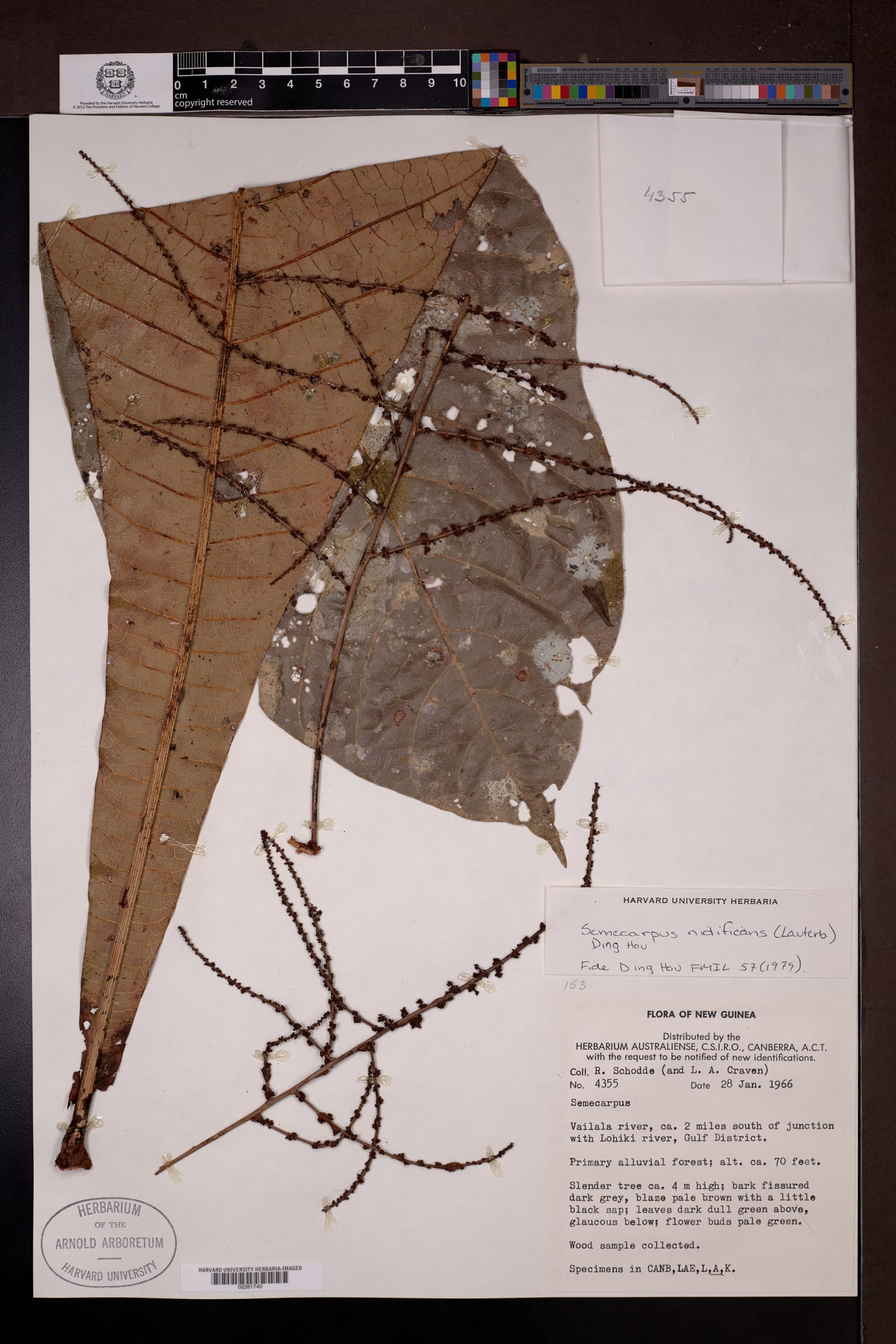
Rhus virens
Lindh. ex A. Gray
Evergreen Sumach
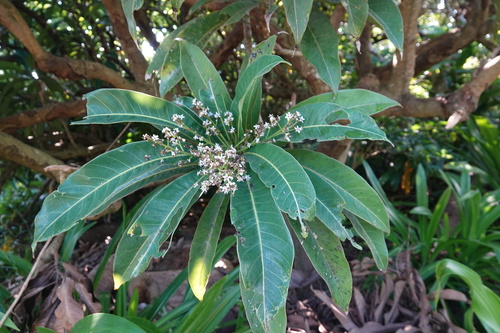
iNaturalist· cc-by-nc-sa
(c) Gravitywave, some rights reserved (CC BY-NC-SA)
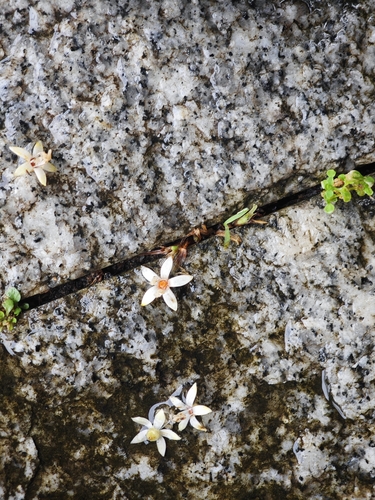
iNaturalist· cc-by
(c) CK2AZ, some rights reserved (CC BY), uploaded by CK2AZ
iNaturalist· cc-by-sa
(c) Leticia Jiménez Hernández, some rights reserved (CC BY-SA), uploaded by Leticia Jiménez Hernández
Summary
Source: WikipediaRhus virens is a species of flowering plant in the mango family, Anacardiaceae, that is native to Arizona, southern New Mexico, and Texas in the United States as well as northern and central Mexico as far south as Oaxaca. It is commonly known as the evergreen sumac or tobacco sumac.
Description
Evergreen tree reaching 3.5 m tall and wide. Flowers pollinated by bees; not self-fertile. Grows in light sandy, medium loamy, and heavy clay soils with good drainage. Tolerates mildly acidic, neutral, and basic soils. Requires full sun and handles both drought and moist conditions well. Hardy to UK zone 8.
Edible Uses
The fruit can be eaten raw or cooked. Individual fruits are subglobose, around 8–10mm long with very little flesh, but they are produced in clusters and easily harvested. Soaking the fruit for 10–30 minutes in hot or cold water produces a very refreshing lemonade-like drink. The mixture should not be boiled, as this releases tannic acids and makes the drink astringent. The ripe fruits are best soaked in cold water to release their sweet-tart flavour, then strained to remove hairs and seeds — the surface hairs can be irritating if the fruit is eaten directly. Avoid sumacs with white, smooth fruits, as those are poisonous.
Medicinal Uses
The leaves are used in domestic medicine for relieving asthma. Some caution is advised in the use of the leaves and stems of this plant, see the notes on toxicity.
Known Hazards
The genus Rhus is being treated in its strict sense here, so it excludes the many species with highly toxic and irritant sap (these are included in Toxicodendron). Although the two genera are very similar, it is relatively simple to distinguish which is which, the poisonous species (Toxicodendron) have axillary panicles and smooth fruits whilst non-poisonous species (Rhus) have compound terminal panicles and fruits covered with acid crimson hairs. Whilst the genus Rhus in this treatment is generally seen as having a non-toxic sap there are some suggestions that the sap of some species in the genus (including this one) can cause a skin rash in susceptible people.
Distribution
It is a warm temperate plant.
Where It Grows
Central America, Mexico, North America, USA,
Cultivation
Rhus virens is native to warm temperate to tropical, semi-arid regions of southern N. America, where it can be found at elevations up to 2,250 metres. It requires hot summers if it is to thrive and is unlikely to withstand any more than light frosts with occasional temperatures down to around -5 to 8°c. The young growth in spring is susceptible to cold and can be damaged by late frosts. Succeeds in a well-drained, fertile soil in full sun. Established plants are drought-tolerant. Plants have brittle branches, and these can be broken off in strong winds. Plants are also susceptible to coral spot fungus. Plants in this genus are notably resistant to honey fungus. A dioecious species - both male and female forms must be grown if fruit and seed are required. Habitat & Range: Evergreen sumac grows from southeastern Arizona to western Texas and extends into northern Mexico. Like littleleaf sumac (R. microphylla), it responds to rainfall, sometimes producing more than one crop per year. Fruits generally ripen from late summer into autumn. USDA Hardiness Zone: 7–10. Weed Potential: Low – native, non-invasive, and typically restricted to its regional desert-mountain habitats.
Propagation
Seed is best sown in a cold frame as soon as it is ripe. Pre-soak for 24 hours in hot water (starting at 80–90°C and allowing it to cool) to leach out germination inhibitors — this soak water is drinkable and has a delicious lemon flavour. Stored seed also needs hot water treatment and can be sown in early spring in a cold frame. Prick seedlings into individual pots when large enough to handle and grow on in a greenhouse for their first winter, then plant out in late spring or early summer after the last expected frosts. Cuttings of half-ripe wood, 10cm with a heel, can be taken in mid-summer in a frame. Root cuttings 4cm long taken in December should be potted up vertically in a greenhouse — a good percentage will take. Suckers can be taken in late autumn to winter.
Other Uses
An oil extracted from the seeds attains a tallow-like consistency on standing and is used to make candles, which burn brilliantly but emit a pungent smoke. The leaves are rich in tannin and can be collected as they fall in autumn for use as a brown dye or as a mordant. Historically, Native Americans used the leaves, bark, and stems of sumacs for medicine, tobacco flavouring, and basket-making, though the fruits are the primary edible part.
Notes
There are about 200 Rhus species.
Synonyms
Also Known As
Lantrisco
References (2)
- Piedra-Malagón, E. M. et al, 2022, Edible native plants of the Gulf of Mexico Province. Biodiversity Data Journal 10: e80565 p 9
- Plants for a Future database, The Field, Penpol, Lostwithiel, Cornwall, PL22 0NG, UK. http://www.scs.leeds.ac.uk/pfaf/ (As Rhus sempervirens)