Pinanga coronata
(Blume ex Mart.) Blume
Ivory crown palm, Coronata palm
iNaturalist· cc-by-sa
(c) Ong Jyh Seng, some rights reserved (CC BY-SA)
iNaturalist· cc-by-sa
(c) Ong Jyh Seng, some rights reserved (CC BY-SA)
iNaturalist· cc-by-sa
(c) Ong Jyh Seng, some rights reserved (CC BY-SA)
Description
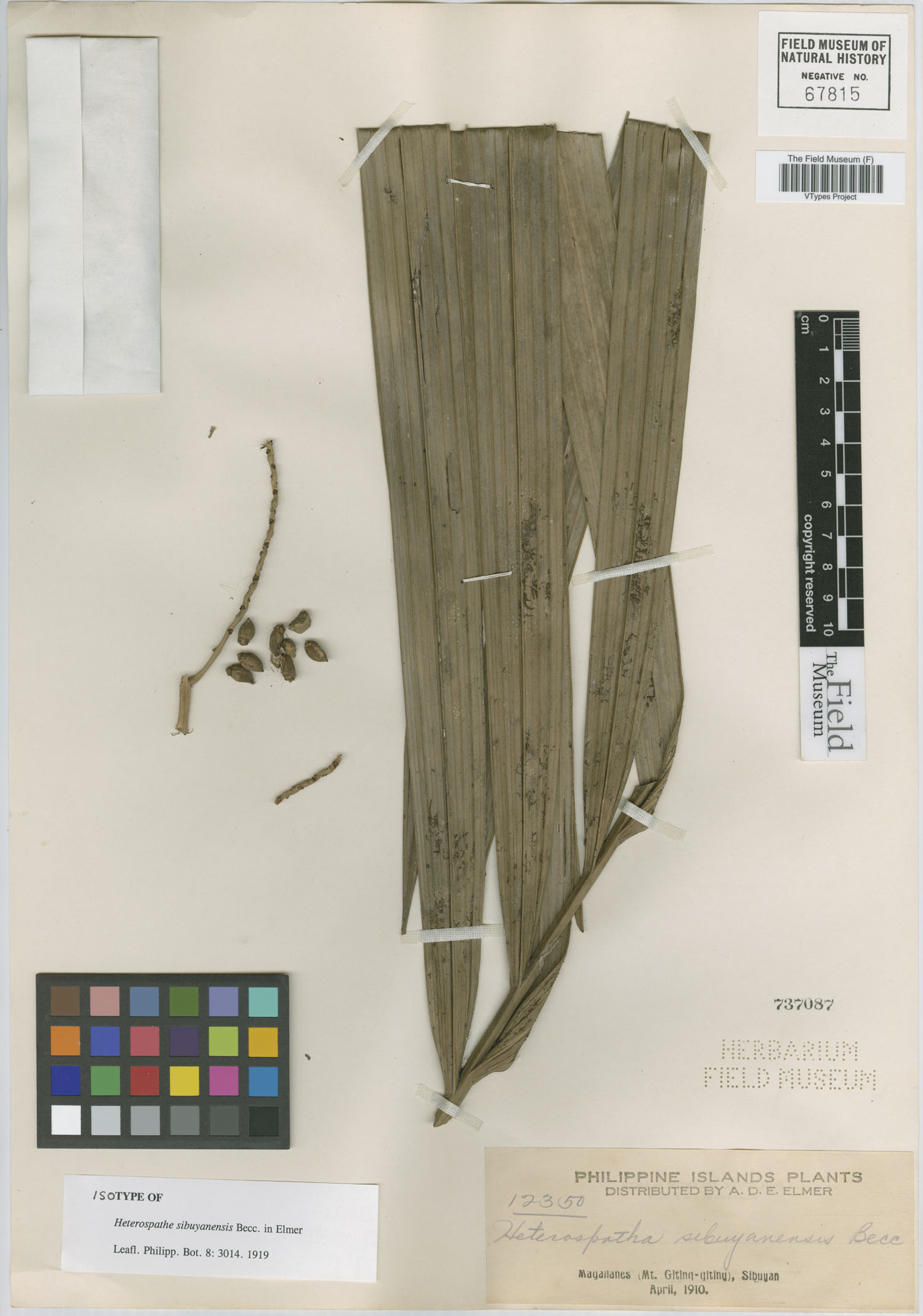
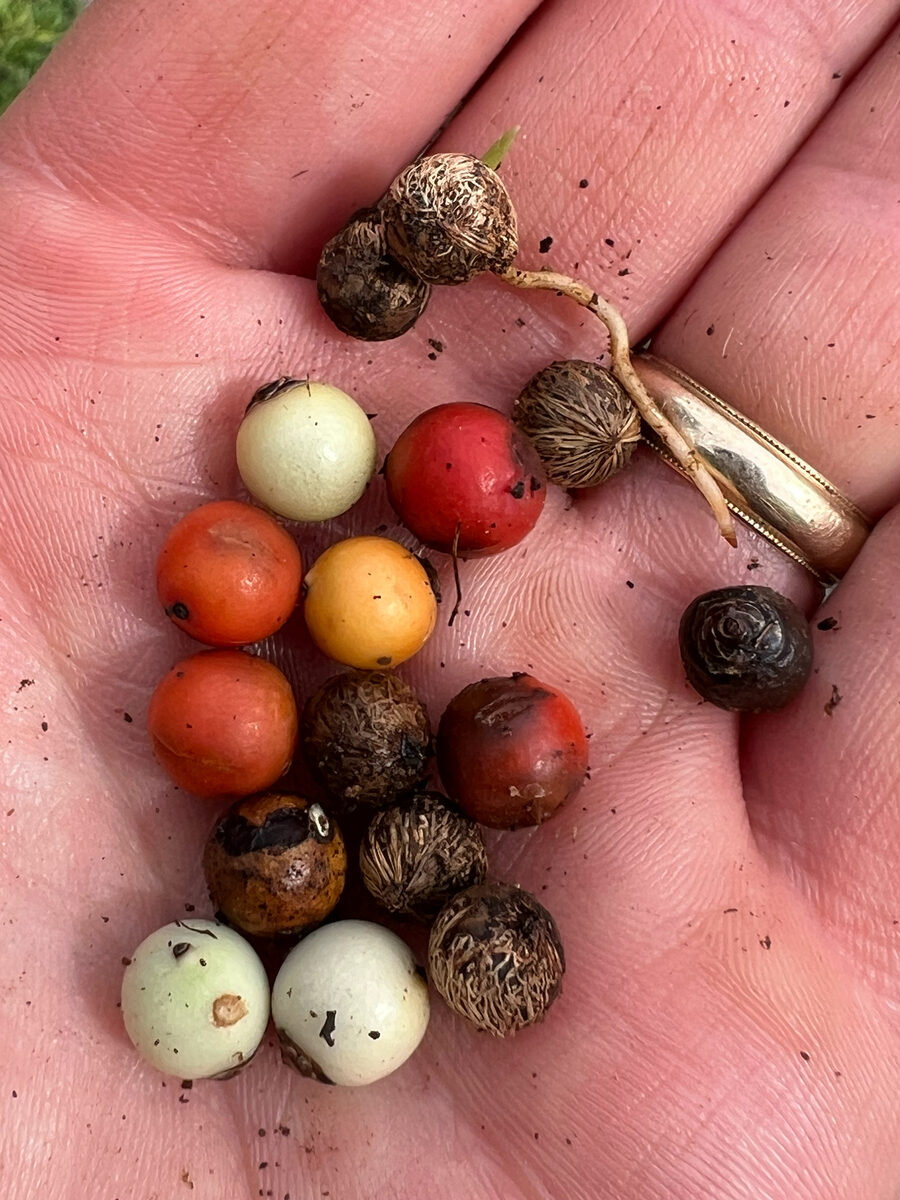
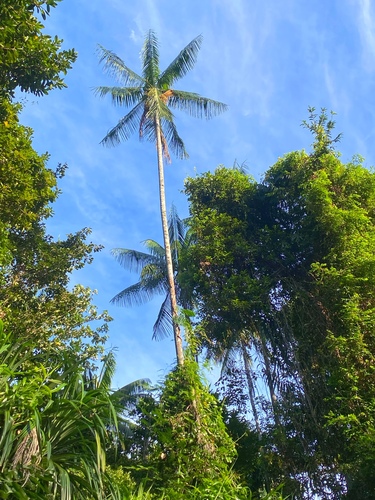
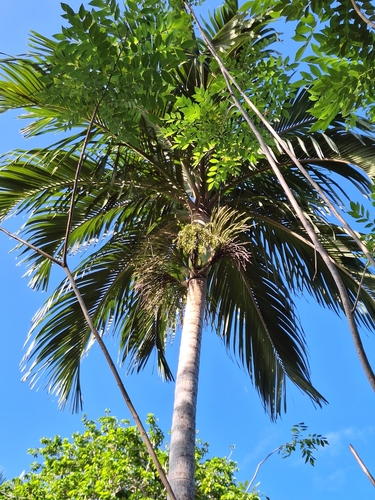
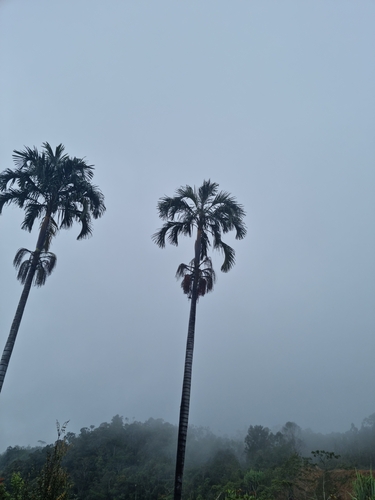
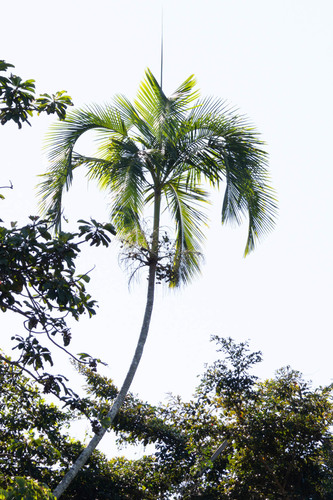
A palm which produces a cluster of stems. It grows to 5-8 m tall. These trunks are slender and about 10 cm across. They are yellow. The crown-shaft is prominent. It is pale yellow. The fronds hang over. Each frond is bright green and has leaflets along the stalk. The segments are moderately broad. They overlap each other. They have prominent ribbed veins. The leaflet segments vary in size. New leaflets are sometimes pink. The crown-shaft is swollen. The flower stalks come from below the crown-shaft. The fruit occur in clusters. They are small, oval and red when ripe.
Edible Uses
The nuts are sometimes used as a betel substitute. Young shoots are also edible.
Traditional Uses
The nut is sometimes used as a betel substitute.
This uses section is brief — help expand it
Medicinal Uses
The plant is used in traditional medicine. No further information
Distribution
It grows in tropical, subtropical and warm temperate regions. It grows in lowland and mountain rainforest up to 1,800 m above sea level. It grows best in shade but can stand sun once established. It needs plenty of water. It does best in humid conditions and rich soil. In Brisbane Botanical Gardens. In the Cairns Botanical Gardens. Mt Cootha Botanical Gardens. In Townsville palmetum.
Where It Grows
Andamans, Asia, Australia, Fiji, Indonesia*, Pacific, SE Asia, Singapore,
Cultivation
It is grown from seed. The small seeds germinate quickly if fresh. Plants can also be grown from suckers.
Propagation
Seed - Division of new growths at the base
Other Uses
The leaves are used for thatching. The tough outer portion of the stems are used as laths.
Production
Young plants grow quickly.
Synonyms
Also Known As
Palem koronata
References (9)
- Arora, K., Indigenous Forest Management in the Andaman and Nicobar Islands, India.
- Gibbons, M., 2003, A pocket guide to Palms. Chartwell Books. p 166
- Hibbert, M., 2002, The Aussie Plant Finder 2002, Florilegium. p 234
- Johnson, D.V., 1998, Tropical palms. Non-wood Forest products 10. FAO Rome. p 48
- Jones, D.L., 1994, Palms throughout the World. Smithtonian Institution, Washington. p 296
Show all 9 references Hide references
- Jones, D.L., 2000, Palms of Australia 3rd edition. Reed/New Holland. p 201
- Riffle, R.L. & Craft, P., 2003, An Encyclopedia of Cultivated Palms. Timber Press. p 412
- Sukarya, D. G., (Ed.) 2013, 3,500 Plant Species of the Botanic Gardens of Indonesia. LIPI p 805
- Watling, D., 2005, Palms of the Fiji Islands. Environmental Consultants (Fiji) Ltd. p 156