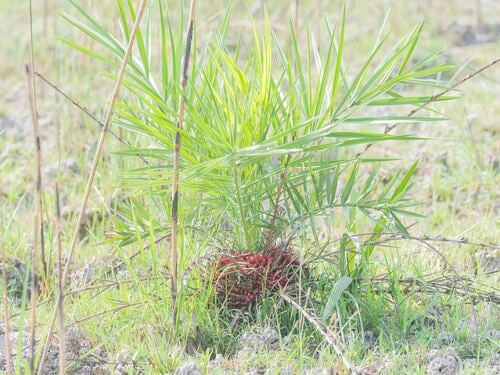
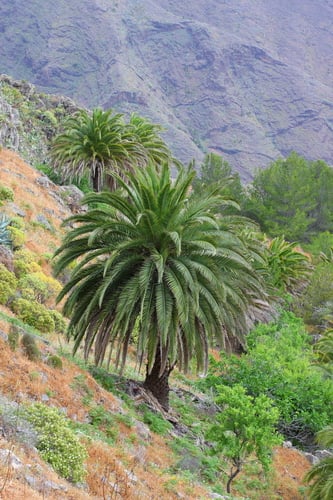
Arenga westerhoutii
Griffith
Langkap
iNaturalist· cc-by-nc
(c) Niran Anurakpongsathorn, some rights reserved (CC BY-NC), uploaded by Niran Anurakpongsathorn
iNaturalist· cc-by-nc-sa
(c) Ahmad Fuad Morad, some rights reserved (CC BY-NC-SA)
Summary
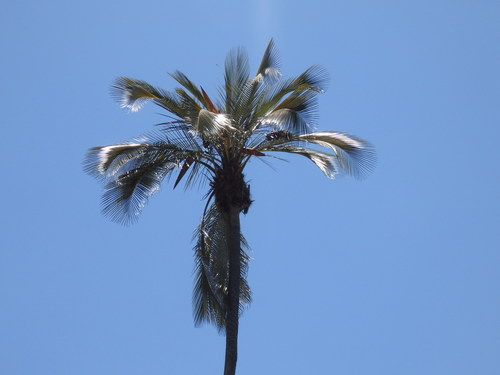
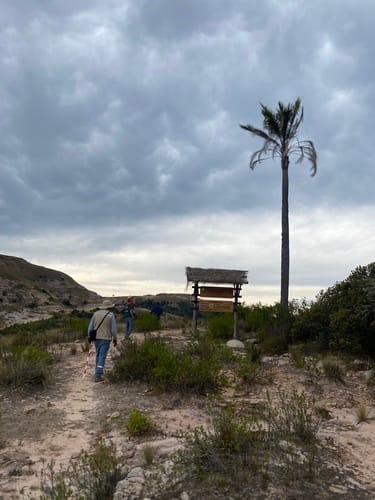
Source: WikipediaArenga westerhoutii is a single-stemmed, evergreen palm found in tropical rainforest. It grows up to 12 meters tall and is one of the largest species in the genus Arenga. The unbranched stem is about 40cms in diameter. The palm has ornamental value. It is distributed in Bangladesh, India (Assam), Cambodia, East Himalaya, Laos, Malaya, Myanmar, and Thailand.
Description
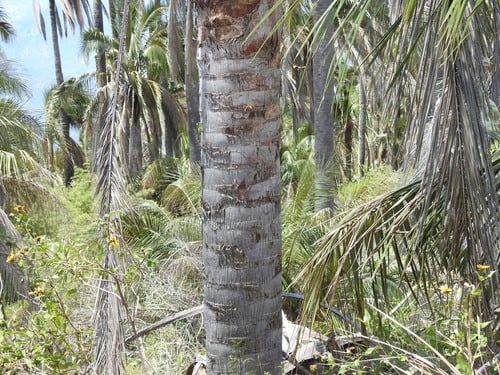
A palm with several stems. It grows 10 m high. The trunk is 40-60 cm across. The leaf stalks are 1-2 m long. The leaflets are regularly arranged along the stalk. They are 130 cm long and 10 cm wide. The flowering stalk is 3 m long.
Edible Uses
The pith is sweet and eaten in curries. The sap is used for wine. The palm cabbage is cooked and eaten. The seeds are used to make sweet desserts.
Traditional Uses
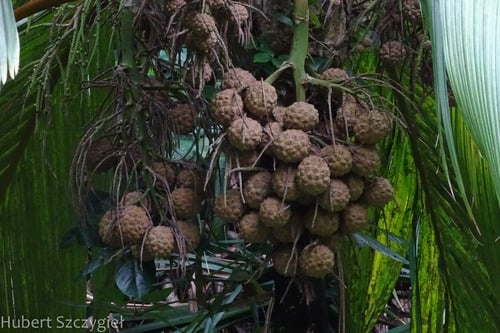
The pith is sweet and is eaten in curries. The sap is used for wine. The palm cabbage is cooked and eaten. The seeds are used to make a sweet desert. CAUTION: The fruit is poisonous.
Known Hazards
The fruits of most species in this genus are poisonous and are sometimes used criminally. The fleshy mesocarp of the fruits usually contains many oxalate crystals, making the flesh inedible.
Distribution
A tropical plant. It grows on slopes and hills in E Malaysia. In southern China it grows in lowland rain forests below 600 m above sea level. In XTBG Yunnan.
Where It Grows
Asia, Bhutan, Cambodia, China, Indochina, Laos, Malaysia, Myanmar, SE Asia, Thailand, Vietnam,
Cultivation
The tree does not flower until it is mature. A flowering shoot is produced from each node on the stem, commencing with the node at the top of the plant and working down to the base. Vegetative growth ceases when the first flowering shoot is produced, and the stem dies once flowers have been produced from the basal node. Solitary-stemmed species, such as this one, die after flowering.
Propagation
Seed - a deep root is formed before the seedling emerges above soil level, and so the seed should be sown in individual, deep containers. Pre-soak the seed for 24 hours in warm water before sowing. It can take 3 - 6 months or more before signs of growth are seen above soil level.
Other Uses
The leaves are used for thatching and wickerwork. The wood is used to make small utensils, or is even used in construction, but it is said not to be durable.
Other Information
It is sold in local markets.
Notes
There are 17-20 Arenga species.
Synonyms
Also Known As
La-ka, Langkab, Lengkap, Nao, Rangkap, Rang khai, Ta, Taak, Taha, Tao
References (8)
- A Rapid Participatory Biodiversity Assessment. 2007, Southern Lao PDR. IUCN p 42
- Bircher, A. G. & Bircher, W. H., 2000, Encyclopedia of Fruit Trees and Edible Flowering Plants in Egypt and the Subtropics. AUC Press. p 40
- Burkill, I.H., 1966, A Dictionary of the Economic Products of the Malay Peninsula. Ministry of Agriculture and Cooperatives, Kuala Lumpur, Malaysia. Vol 1 (A-H) p 238
- Dransfield, J., et al, 2004, A preliminary checklist to Thai Palms. Thai For. Bull. (Bot.) 32:32-72
- Heywood, V.H., Brummitt, R.K., Culham, A., and Seberg, O., 2007, Flowering Plant Families of the World. Royal Botanical Gardens, Kew. p 348
Show all 8 references Hide references
- Luczaj, L., et al, 2021, Wild food plants and fungi sold in the markets of Luang Prabang, Lao PDR. Journal of Ethnobiology and Ethnomedicine (2021) 17:6
- Ong, H. C., Mojiun, P. F. J., & Milow, P., 2011, Traditional knowledge of edible plants among the Temuan villagers in Kampung Guntor, Negeri Sembilan, Malaysia. African Journal of Agricultural Research Vol. 6(8), pp. 1962-1965, 18 April, 2011
- World Checklist of Useful Plant Species 2020. Royal Botanic Gardens, Kew