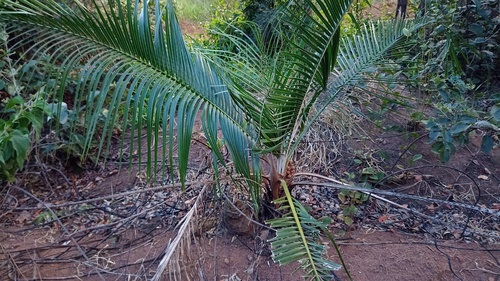
Pinanga dicksonii
Blume
Dickson palm, Indian Ivory cane palm
iNaturalist· cc-by-sa
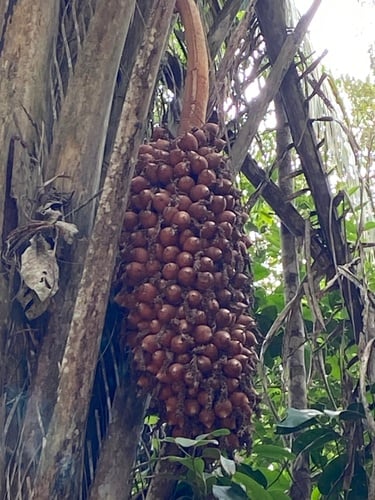
(c) Pescov, some rights reserved (CC BY-SA)
iNaturalist· cc-by-sa
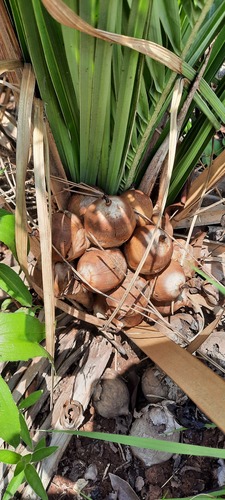
(c) Dinesh Valke, some rights reserved (CC BY-SA)
iNaturalist· cc-by-sa
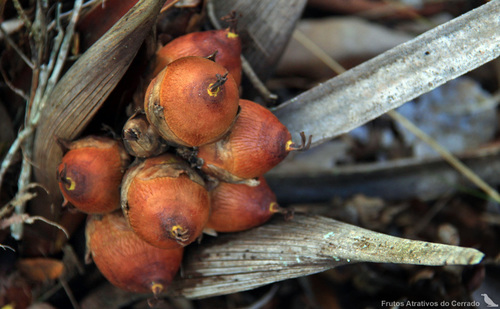
(c) Dinesh Valke, some rights reserved (CC BY-SA)
Description
A palm in the Arecaceae family, also known as the Dickson palm or Indian Ivory cane palm.
This description is brief — help expand it
Edible Uses
The seeds are chewed as a substitute for betel nut (Areca catechu). Generally only used if the true betal nut is not available.
Traditional Uses
The nut is used as a betel substitute.
This uses section is brief — help expand it
Distribution
E. Asia - southwest India (Karnataka, Kerala, Maharashtra, Tamil Nadu)
Where It Grows
Asia, Australia, India,
Cultivation
Pinanga dicksonii is a plant of the humid tropics, where it is found at low to moderate elevations. Species in this genus generally require a warm, sheltered position with at least moderate shade, especially when young. They grow best in a circumneutral, moist but well-drained soil and strongly dislike dry conditions. This species requires a semi-shaded or shaded position with regular water..
Propagation
Seed - Division of new growths at the base
Other Uses
The leaves are used for thatching. The stems are used for fencing and fenceposts.
Synonyms
Also Known As
Jandarige, Kadu adike, Kanakamuka, Kondapoka
References (8)
- Ambasta, S.P. (Ed.), 2000, The Useful Plants of India. CSIR India. p 457
- Hedrick, U.P., 1919, (Ed.), Sturtevant's edible plants of the world. p 496
- Johnson, D.V., 1998, Tropical palms. Non-wood Forest products 10. FAO Rome. p 40
- Jones, D.L., 1994, Palms throughout the World. Smithtonian Institution, Washington. p 297
- Jones, D.L., 2000, Palms of Australia 3rd edition. Reed/New Holland. p 202
Show all 8 references Hide references
- Riffle, R.L. & Craft, P., 2003, An Encyclopedia of Cultivated Palms. Timber Press. p 413
- Rumphia 2:77. 1839
- Singh, H.B., Arora R.K.,1978, Wild edible Plants of India. Indian Council of Agricultural Research, New Delhi. p 68