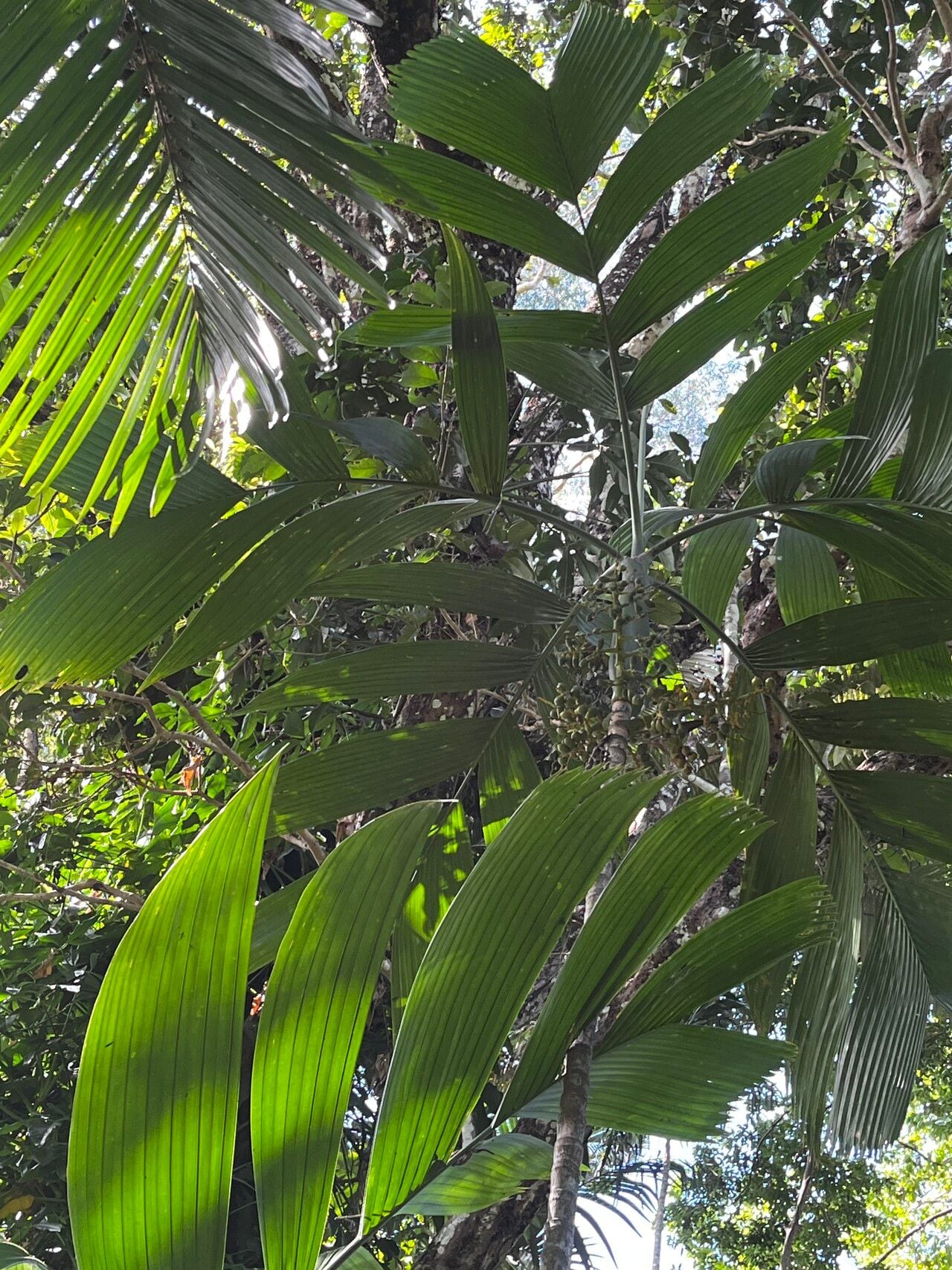
Astrocaryum huaimi
Mart.
Chontilla
iNaturalist· cc-by-nc-sa
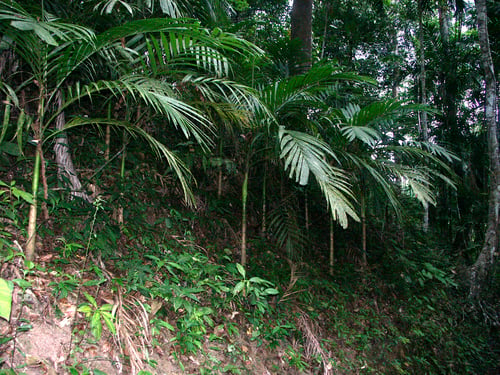
(c) Rich Hoyer, some rights reserved (CC BY-NC-SA), uploaded by Rich Hoyer
iNaturalist· cc-by-nc
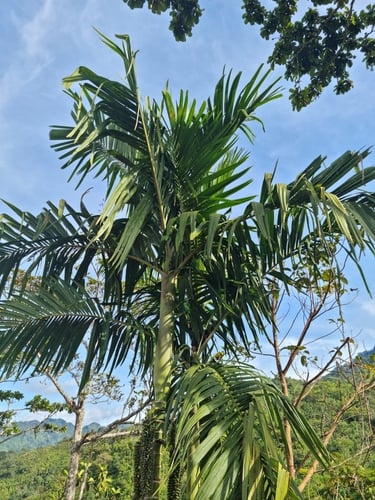
(c) MarcosHalemFelix, some rights reserved (CC BY-NC)
Description
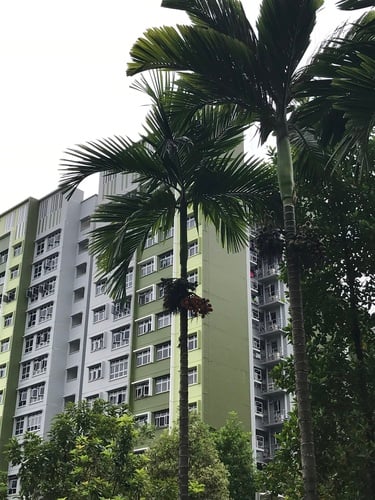
A palm. It grows 10 m tall. It can have several stems in a clump. There are 6-13 leaves 3.5 cm long and these have 33-72 leaflets on each side. The flowering shoots are among the leaves and point upwards. There are 100-300 fruit in a group. The fruit are oval. They are 3-5 cm long.
Edible Uses
The fruit can be eaten fresh or used for juice. The seeds and seed oil are also edible, as is the palm heart.
Traditional Uses
The fruit can be eaten fresh and also used for juice.
This uses section is brief — help expand it
Distribution
It is a tropical plant. It grows on regularly flooded sandy soils. It suits cold hardiness zone 10b.
Where It Grows
Bolivia, Brazil, Peru, South America,
Other Uses
A fibre from the leaves can be used for making, ropes, twine, nets and bags. The fibre is long and very strong. The most recent discovery is that the leaves have two types of fibres, one of which is very similar to bamboo fibres, and due to their high interlacing, they can provide papers with high tear resistance and greater porosity. However, the fibers as a whole do nnt meet the requirements of the morphological characteristics of high quality paper fibers, and can be used in the production of Kraft paper, with high levels of physical and mechanical resistance The leaves are used as a weaving material for making hats and other items. The hard endocarp of various Amazonian species is commonly used to make beads and ornaments for necklaces The stem is used for the construction of pillars and posts for houses and posts and slats for fences
Nutrition
| Part | Moisture | kJ | kcal | Protein | Vit A | Vit C | Iron | Zinc |
|---|---|---|---|---|---|---|---|---|
| Fruit | 10.2 | 1285 | 311 | 5.2 | — | 14.4 | 5.2 | 1 |
Synonyms
Also Known As
Tucuma-de-goias, Tucumanzeiro
References (1)
- Physical-chemical, nutritional and antioxidant properties of tucumã (Astrocaryum huaimi Mart.) fruits. Semina: Ciências Agrárias, Londrina, v. 39, n. 4, p. 1517-1532, jul./ago. 2018