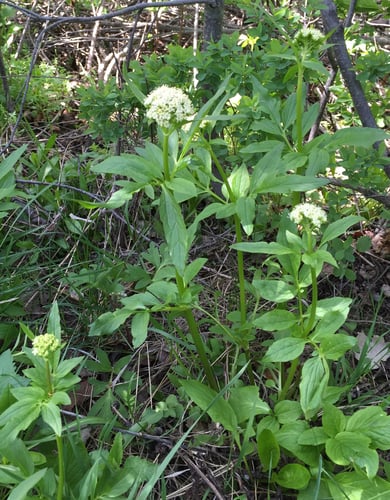
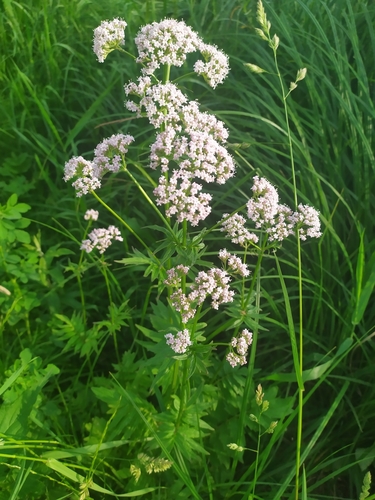
Valeriana dioica
L.
Marsh Valerian
iNaturalist· cc-by-nc
(c) Muriel Bendel, some rights reserved (CC BY-NC), uploaded by Muriel Bendel
iNaturalist· cc-by
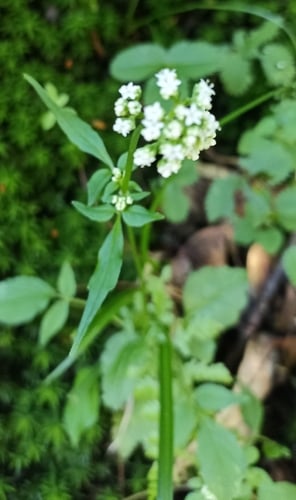
(c) Wolfgang Jauch, some rights reserved (CC BY), uploaded by Wolfgang Jauch
iNaturalist· cc-by-nc
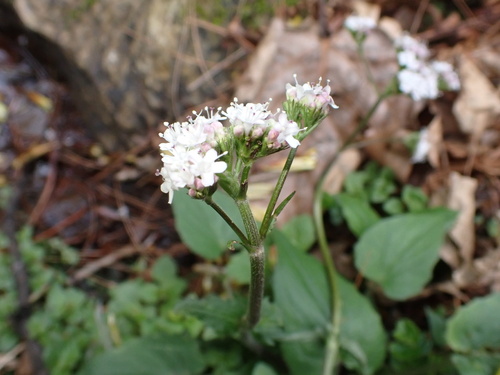
(c) Sven Eisenbiegler, some rights reserved (CC BY-NC), uploaded by Sven Eisenbiegler
Summary
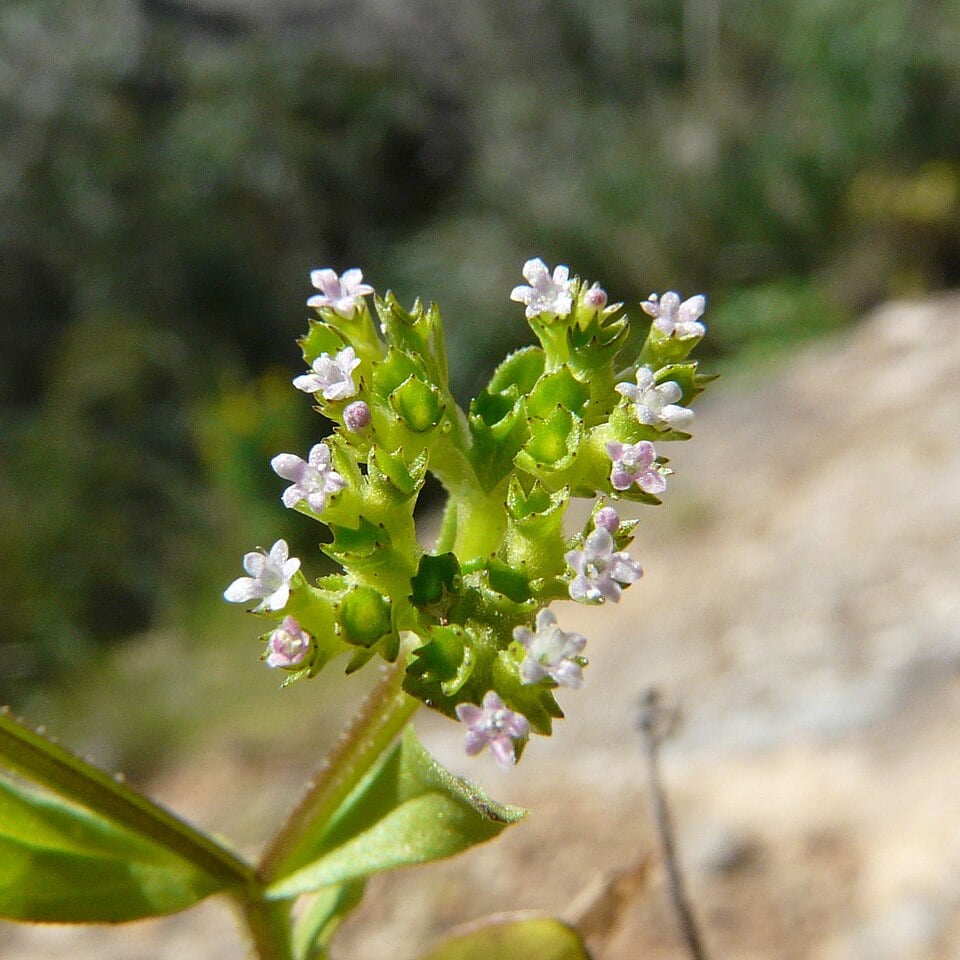
Source: WikipediaValeriana dioica, the marsh valerian, is a species of flowering plant in the family Caprifoliaceae, native to North America, Europe and Anatolia. It is typically found in calcareous fens. It is a dioecious species, with male and female flowers on separate individuals, and it is pollinated by small flies.
Description
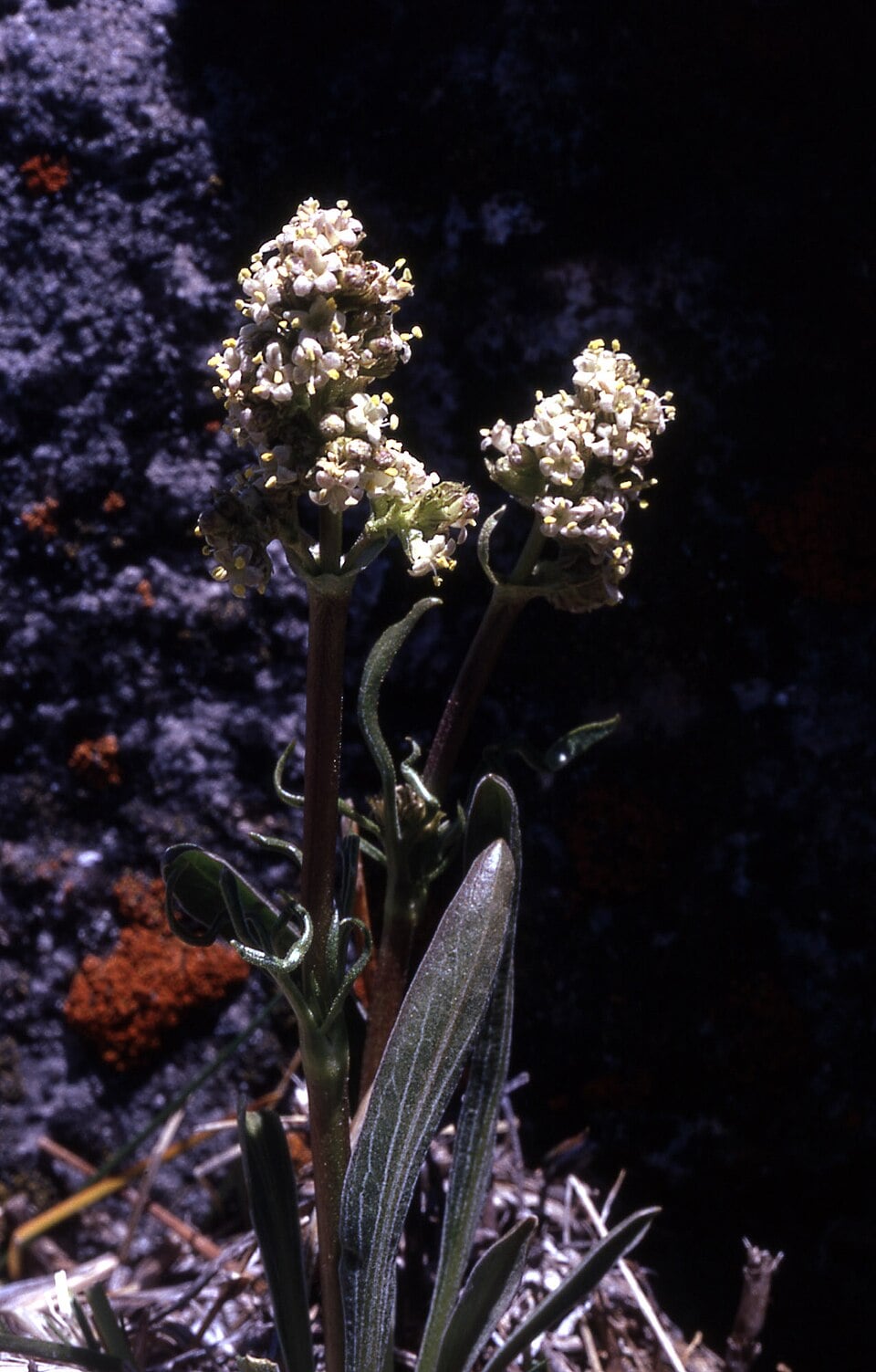
A small perennial reaching 0.3 m (1 ft) tall. Dioecious, flowering May to June, requiring both male and female plants for seed production. Insect-pollinated. Thrives in light sandy, medium loamy, and heavy clay soils with mildly acid to neutral pH. Requires full sun and prefers moist to wet conditions.
Edible Uses
The odoriferous root is cooked before eating — slow-bake it for 2 days and it can be served as a vegetable, used in soups, or made into a bread. Seeds can also be parched and eaten.
Traditional Uses
The dried and powdered roots and leaves are used as a flavouring.
This uses section is brief — help expand it
Medicinal Uses
The whole plant, and particularly the root, is antispasmodic, carminative, diuretic, hypnotic, powerfully nervine, sedative and stimulant. Use with caution.
Known Hazards
Some caution is advised with the use of this plant. At least one member of the genus is considered to be poisonous raw and V. officinalis is a powerful nervine and sedative that can become habit-forming.
Where It Grows
Root, Seeds,
Cultivation
Succeeds in ordinary garden soil. A calcifuge plant, it requires a lime-free soil. Dioecious, male and female plants must be grown if seed is required.
Propagation
Sow seed in spring in a cold frame, barely covering it as light is needed for germination. Prick seedlings out into individual pots when large enough to handle, then plant out into permanent positions in summer if sufficient growth has been made; otherwise overwinter in a greenhouse or frame and plant out early the following summer. Divide in spring — larger divisions can go straight into permanent positions, while smaller ones are best potted up and grown on in light shade in a greenhouse or cold frame until established, then planted out in summer or the following spring.
Other Uses
None known Special Uses
Other Information
Caprifoliaceae
Notes
A herb. It grows 10-40 cm high.
Also Known As
Dvodomna špajka
References (5)
- http://www.botanic-gardens-ljubljana.com/en/plants
- Lim, T. K., 2015, Edible Medicinal and Non Medicinal Plants. Volume 9, Modified Stems, Roots, Bulbs. Springer p 84
- MacKinnon, A., et al, 2009, Edible & Medicinal Plants of Canada. Lone Pine. p 328
- Plants for a Future database, The Field, Penpol, Lostwithiel, Cornwall, PL22 0NG, UK. http://www.scs.leeds.ac.uk/pfaf/
- Turner, N., 1997, Food Plants of Interior First Peoples. Royal BC Museum Handbook p 169