Uvaria purpurea
Blume
String banana vine
wikimedia· cc0
Wikimedia Commons - Francisco Manuel Blanco (O.S.A.)
wikimedia· cc0
Wikimedia Commons - Francisco Manuel Blanco (O.S.A.)
Description
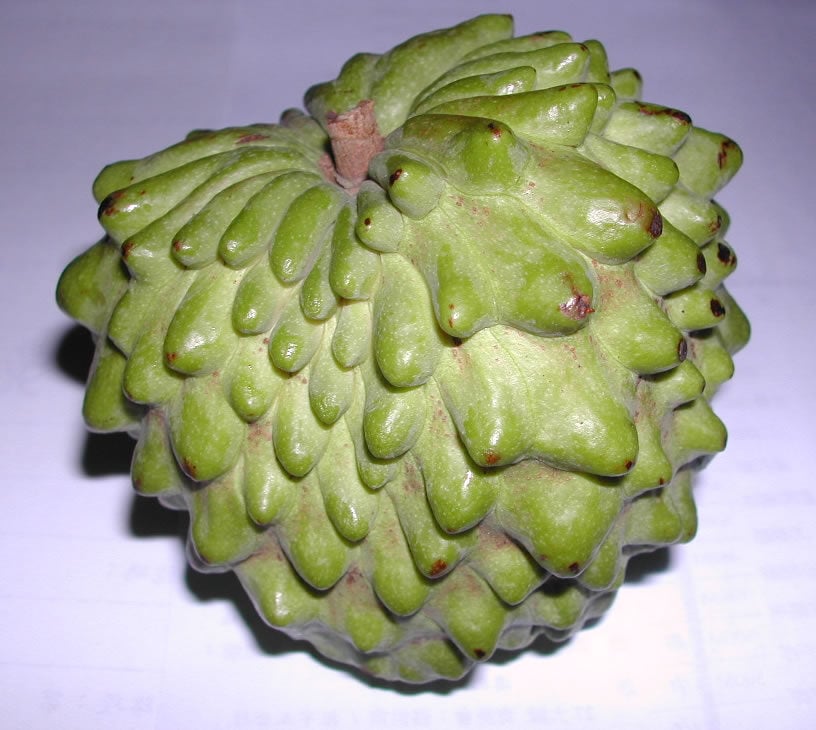
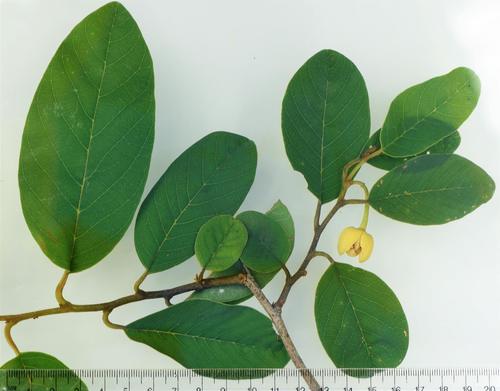
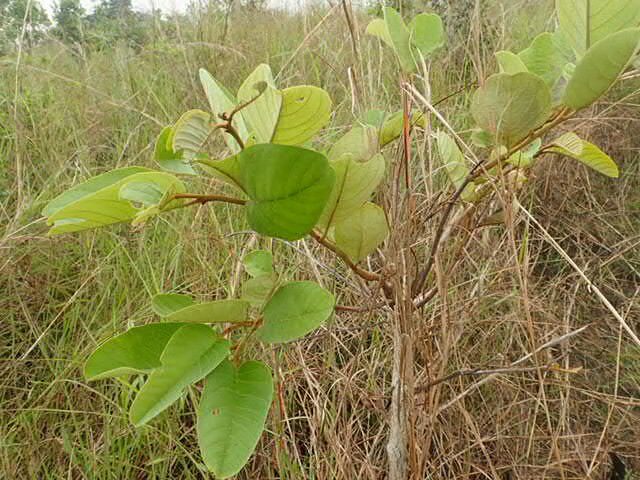
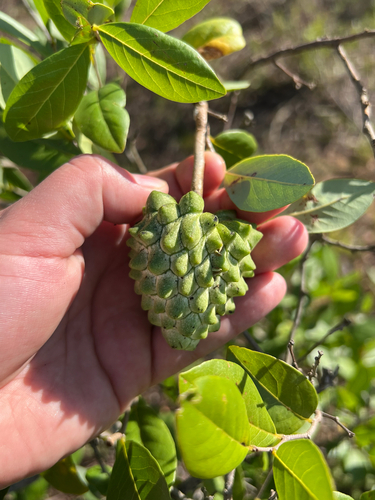
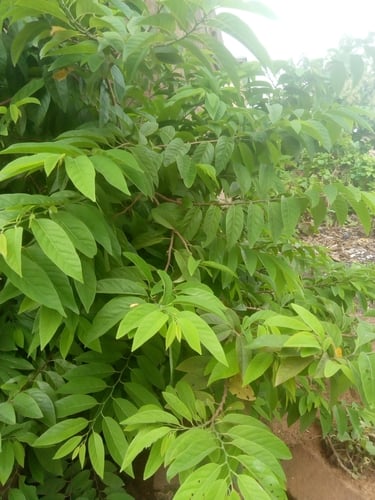
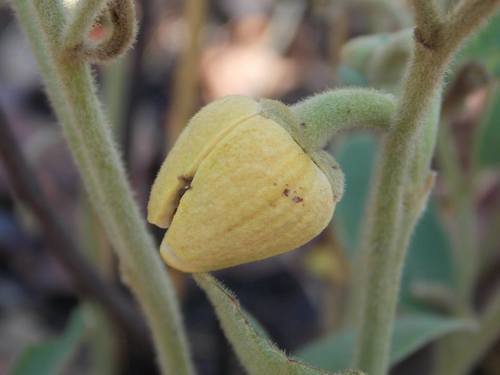
This is a woody vine. It grows 10 m long. The twigs are red and hairy. The leaves are alternate, hairy and pointed at the tip while rounded at the base. They are 12 to 15 cm long. The flowers are large and red. The fruit are borne in clusters from a disk like structure. The fruit smell. They have light yellow flesh.
Edible Uses
The fruit are eaten raw and are sweet. They can be used for preserves.
Traditional Uses
The fruit are eaten raw. They are sweet. They can be used for preserves.
This uses section is brief — help expand it
Distribution
A tropical plant. It grows on the edges of forests. They occur from Luxon to Palawan in the Philippines but are apparently rare.
Where It Grows
Asia, Cambodia, China, Indochina, Indonesia, Laos, Malaysia, Myanmar, Pacific, Philippines, SE Asia, Thailand,
Cultivation
Plants can be grown from seeds.
Also Known As
Akar pisang-pisang tandok, Banauak, Chek sampoch, Kalak, Klui mu sang, Medang sennah, Meroyan otak, Tali pisangan
References (8)
- Altschul, S.V.R., 1973, Drugs and Foods from Little-known Plants. Notes in Harvard University Herbaria. Harvard Univ. Press. Massachusetts. no. 1027
- Bijdr. 11. 1825
- Brown, W.H., 1920, Wild Food Plants of the Philippines. Bureau of Forestry Bulletin No. 21 Manila. p 58
- Burkill, I.H., 1966, A Dictionary of the Economic Products of the Malay Peninsula. Ministry of Agriculture and Cooperatives, Kuala Lumpur, Malaysia. Vol 2 (I-Z) p 2256
- Monsalud, M.R., Tongacan, A.L., Lopez, F.R., & Lagrimas, M.Q., 1966, Edible Wild Plants in Philippine Forests. Philippine Journal of Science. p 441
Show all 8 references Hide references
- Phon, P., 2000, Plants used in Cambodia. © Pauline Dy Phon, Phnom Penh, Cambodia. p 619
- Reis, S. V. and Lipp, F. L., 1982, New Plant Sources for Drugs and Foods from the New York Botanical Garden herbarium. Harvard. p 73
- Sukarya, D. G., (Ed.) 2013, 3,500 Plant Species of the Botanic Gardens of Indonesia. LIPI p 986