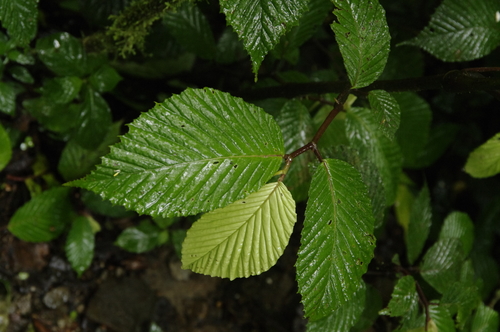
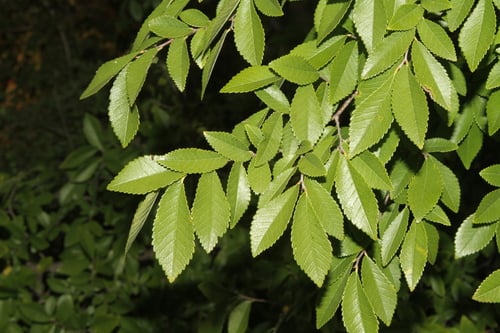
Ulmus laciniata
(Trautv.) Mayr
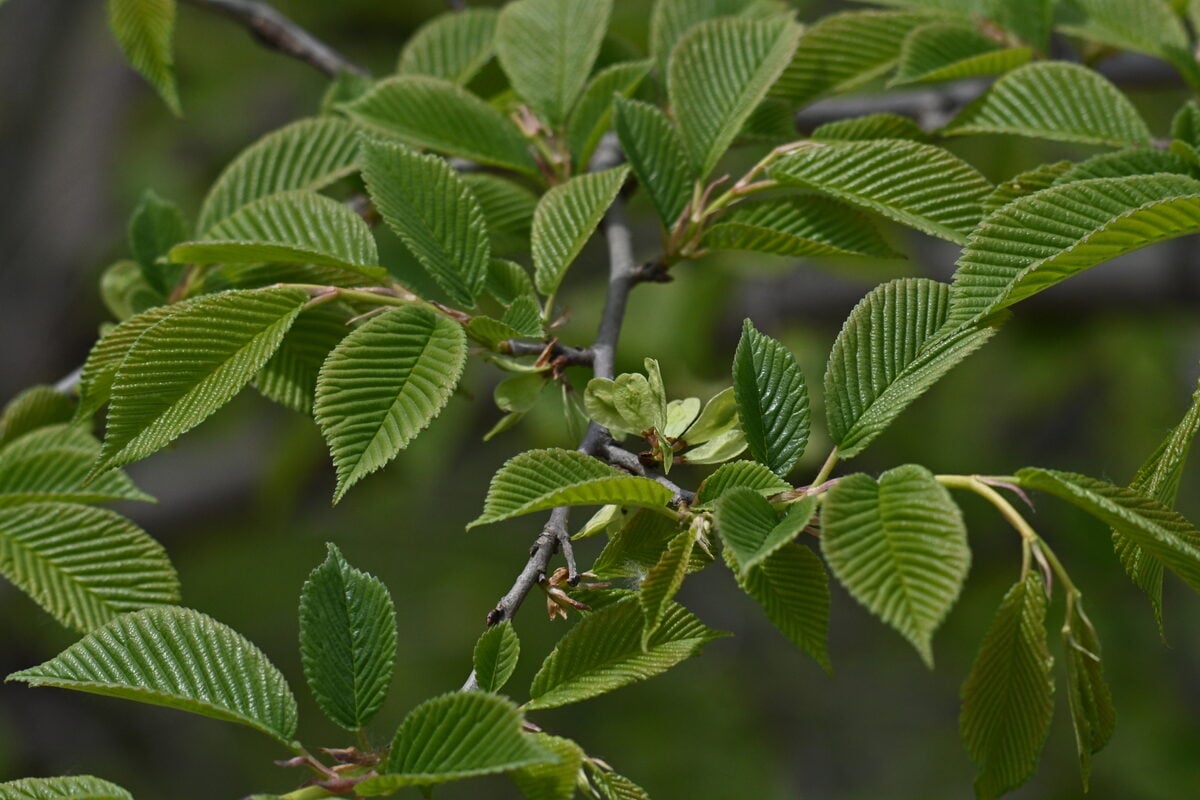
iNaturalist· cc-by-nc
(c) lobelialin, some rights reserved (CC BY-NC)
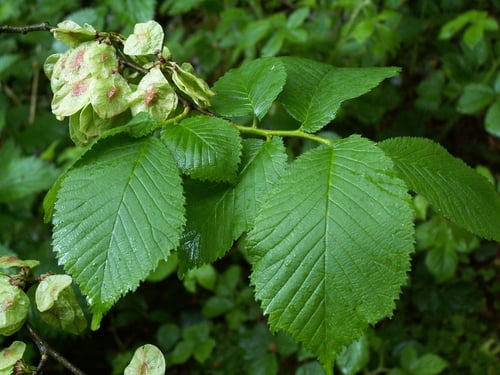
iNaturalist· cc-by-nc
(c) ayuoka, some rights reserved (CC BY-NC)
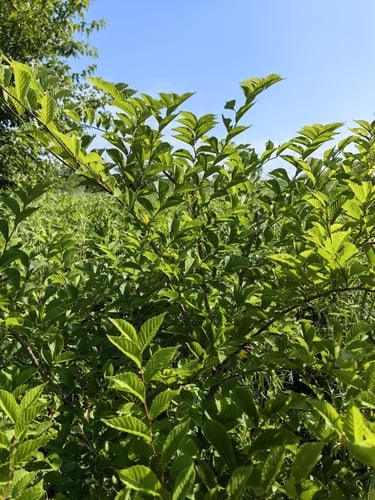
iNaturalist· cc-by
(c) Илья Руденко, some rights reserved (CC BY)
Summary
Source: WikipediaUlmus laciniata (Trautv.) Mayr, known variously as the Manchurian, cut-leaf, or lobed elm, is a deciduous tree native to the humid ravine forests of Japan, Korea, northern China, eastern Siberia and Sakhalin, growing alongside Cercidiphyllum japonicum, Aesculus turbinata, and Pterocarya rhoifolia, at elevations of 700–2200 m, though sometimes lower in more northern latitudes, notably in Hokkaido.
Description
Ulmus laciniata is a deciduous tree reaching 10 m tall. Hardy to UK zone 5, not frost tender. Flowers April to May with seeds ripening May to June. Wind-pollinated hermaphrodite. Tolerates light sandy, medium loamy, and heavy clay soils with good drainage. Grows in mildly acidic to mildly alkaline conditions in semi-shade or full sun. Prefers moist soil.
Edible Uses
Leaves can be eaten raw or cooked. The inner bark is edible when cooked and can be dried, ground into a powder and used as a thickening agent in soups or added to cereal flours when making bread.
Medicinal Uses
None known.
Distribution
It is a temperate plant. In China it grows between 700-2,200 m above sea level.
Where It Grows
Asia, China, Japan, Korea, Russia, Siberia,
Propagation
Sow seed in a cold frame as soon as it is ripe — it usually germinates within a few days. Stored seed germinates less reliably and is best sown in early spring. Seed can also be harvested green (fully developed but not yet dried on the tree) and sown immediately in a cold frame, where it will germinate quickly and produce a larger plant by the end of the season. Once large enough to handle, prick seedlings into individual pots and grow on in a greenhouse through their first winter. Plant out in late spring or early summer after the last expected frosts. Do not leave plants in a nursery bed for more than two years, as they develop a tap root and transplant poorly after that point. Propagation is also possible by layering suckers or coppiced shoots.
Other Uses
The wood is used, though no further details are given.
References (3)
- Flora of China @ efloras.org Volume 5
- Fremdland. Wald.- Parkbaume 523. 1906
- Plants for a Future database, The Field, Penpol, Lostwithiel, Cornwall, PL22 0NG, UK. http://www.scs.leeds.ac.uk/pfaf/