Ulmus japonica
(Sarg. ex Rehder) Sarg.
Japanese elm
iNaturalist· cc-by-nc
(c) птичка𓅚, some rights reserved (CC BY-NC)
iNaturalist· cc-by-nc
(c) sergeyprokopenko, some rights reserved (CC BY-NC)
iNaturalist· cc-by-nc
(c) sergeyprokopenko, some rights reserved (CC BY-NC)
Summary
Ulmus japonica is a deciduous tree reaching 35 m tall. Hardy to UK zone 5, not frost tender. Flowers March to May with seeds ripening April to May. Wind-pollinated hermaphrodite. Tolerates light sandy, medium loamy, and heavy clay soils with good drainage. Grows in mildly acidic to mildly alkaline conditions in semi-shade or full sun. Prefers moist soil.
Description
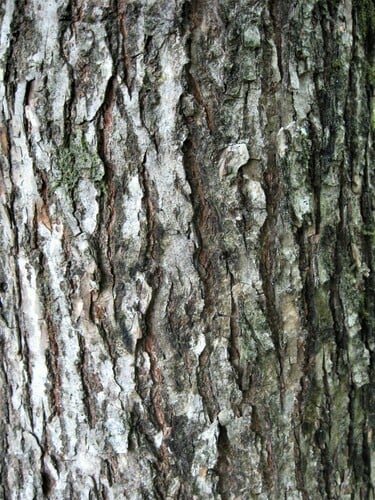
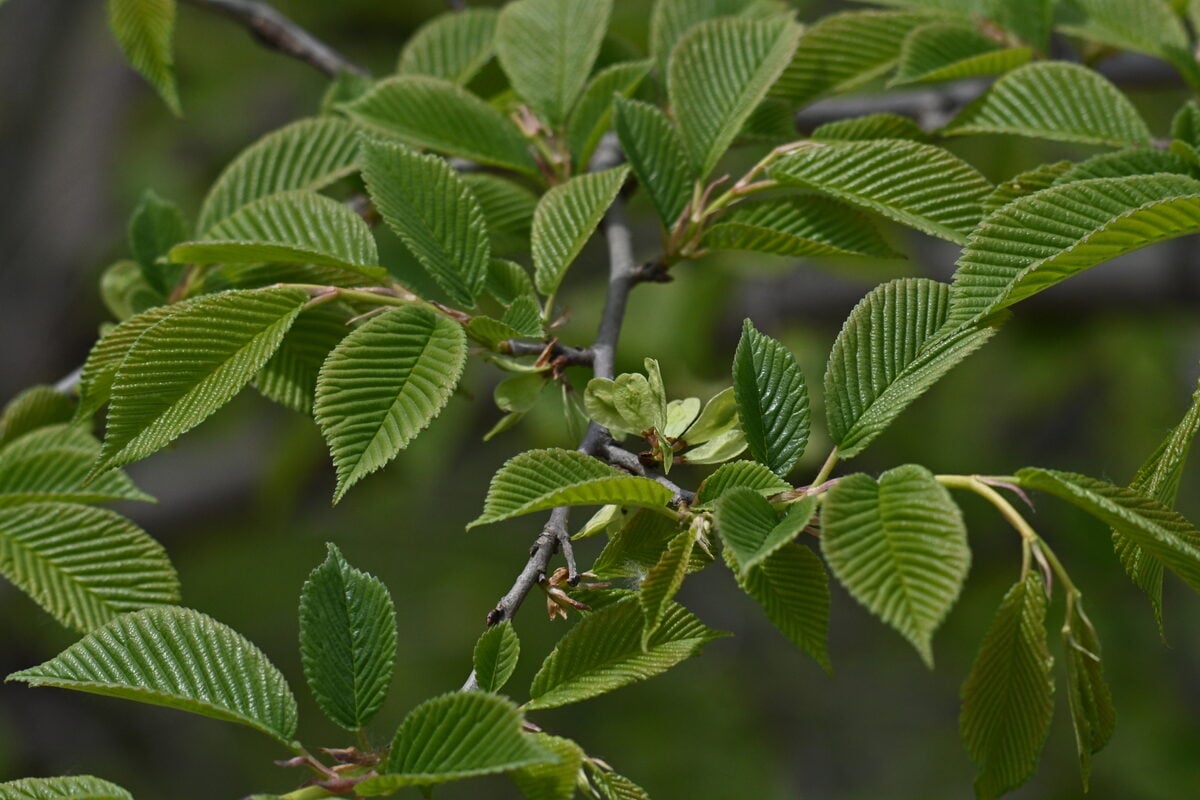
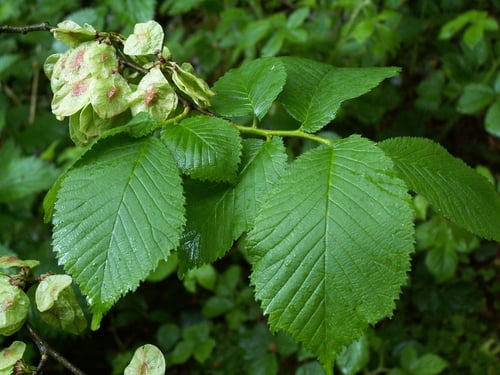
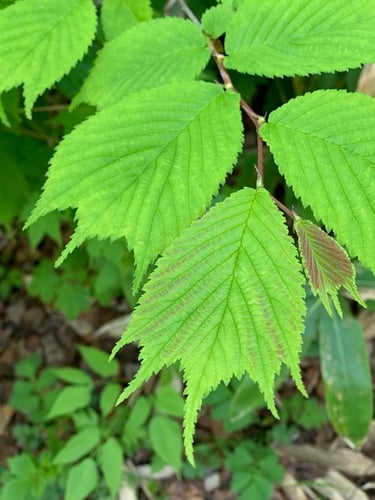
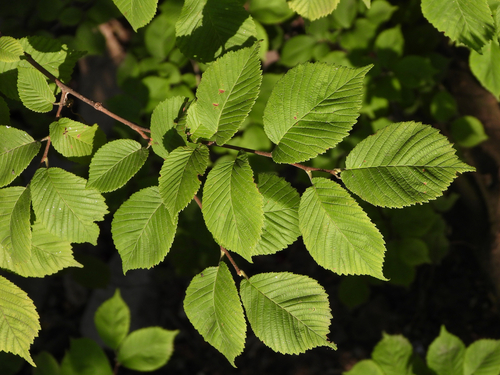
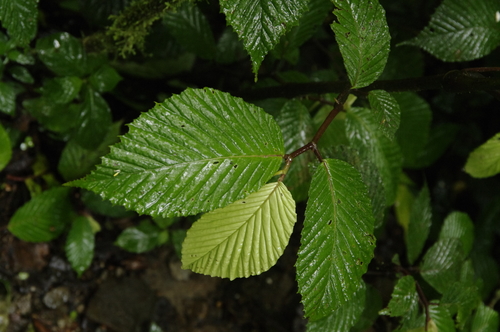
A deciduous tree. It grows 30 m tall. It is a broadly spreading tree. The bark is pale grey-brown and cracked. The leaves are narrowly oval and 10 cm long by 6 cm wide. The base is unequal and the leaf narrows towards the base. It also tapers to the tip. There are double teeth. The leaves are dark green and rough with hairs above. It is paler with softer hairs underneath. The flowers are very small and red. They are in small clusters on the shoots. The fruit is a winged seed. It is 1.5 cm long. They ripen a few weeks after flowering.
Edible Uses
Leaves can be eaten raw or cooked. Young fruits are edible when cooked; the fruit is about 15mm long and 10mm wide. The inner bark is edible cooked and is usually dried, ground into a powder and used as a thickening agent in soups or added to cereal flours when making bread.
Medicinal Uses
The bark is diuretic, nervine and purgative.
Distribution
It is native to N.E. Asia and Japan. It grows in woods and rocky places and near moors. It suits hardiness zones 5-9.
Where It Grows
Asia, Australia, China, Japan, Korea,
Propagation
Sow seed in a cold frame as soon as it is ripe — it usually germinates within a few days. Stored seed germinates less reliably and is best sown in early spring. Seed can also be harvested green (fully developed but not yet dried on the tree) and sown immediately in a cold frame, where it will germinate quickly and produce a larger plant by the end of the season. Once large enough to handle, prick seedlings into individual pots and grow on in a greenhouse through their first winter. Plant out in late spring or early summer after the last expected frosts. Do not leave plants in a nursery bed for more than two years, as they develop a tap root and transplant poorly after that point. Propagation is also possible by layering suckers or coppiced shoots.
Other Uses
A fibre is obtained from the inner bark. To process it, the bark is soaked in water for 7–10 days, after which the inner and outer barks are separated. The inner bark is stripped into strands and made into thread by chewing, then woven into a coarse fabric. The wood is heavy and difficult to work, and is used for axles and hubs.
References (4)
- Coombes, A.J., 2000, Trees. Dorling Kindersley Handbooks. p 308
- Cundall, P., (ed.), 2004, Gardening Australia: flora: the gardener's bible. ABC Books. p 1450
- Plants for a Future database, The Field, Penpol, Lostwithiel, Cornwall, PL22 0NG, UK. http://www.scs.leeds.ac.uk/pfaf/
- Trees & shrubs 2:1, t. 101. 1907