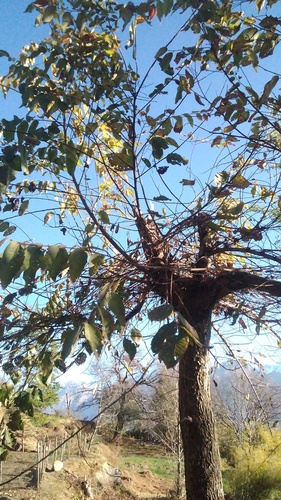
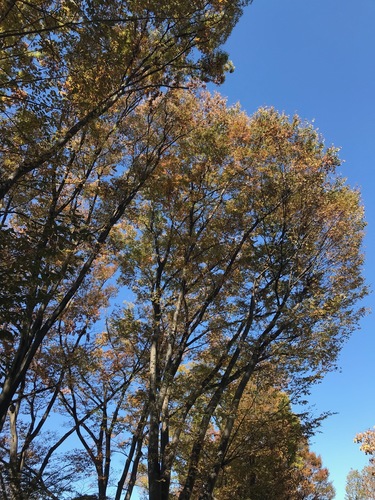
Ulmus parvifolia
Jacquin
Chinese elm
iNaturalist· cc-by
(c) Reid Hardin, some rights reserved (CC BY), uploaded by Reid Hardin
iNaturalist· cc-by-nc
(c) Bob O'Kennon, some rights reserved (CC BY-NC)
Summary
Source: WikipediaUlmus parvifolia, commonly known as the Chinese elm or lacebark elm, is a species native to eastern Asia, including China, India, Japan, Korea, Vietnam, Siberia, and Kazakhstan. It has been described as "one of the most splendid elms, having the poise of a graceful Nothofagus".
Description
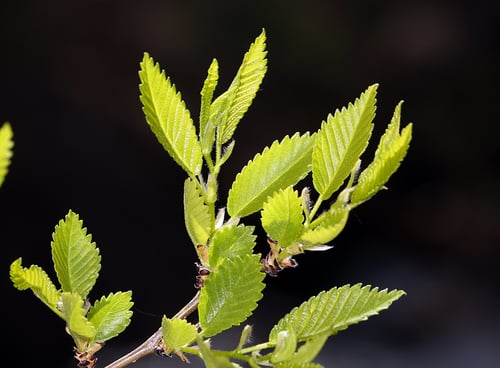
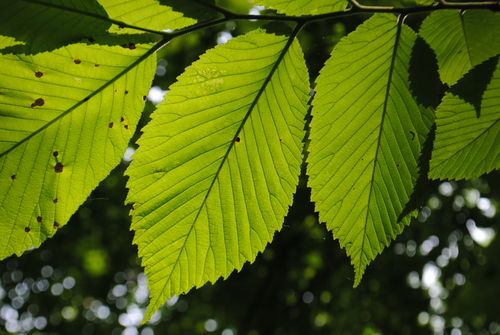
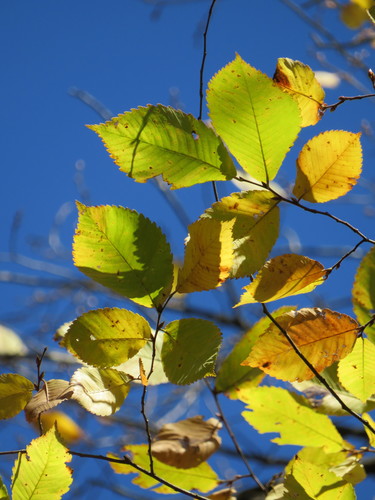
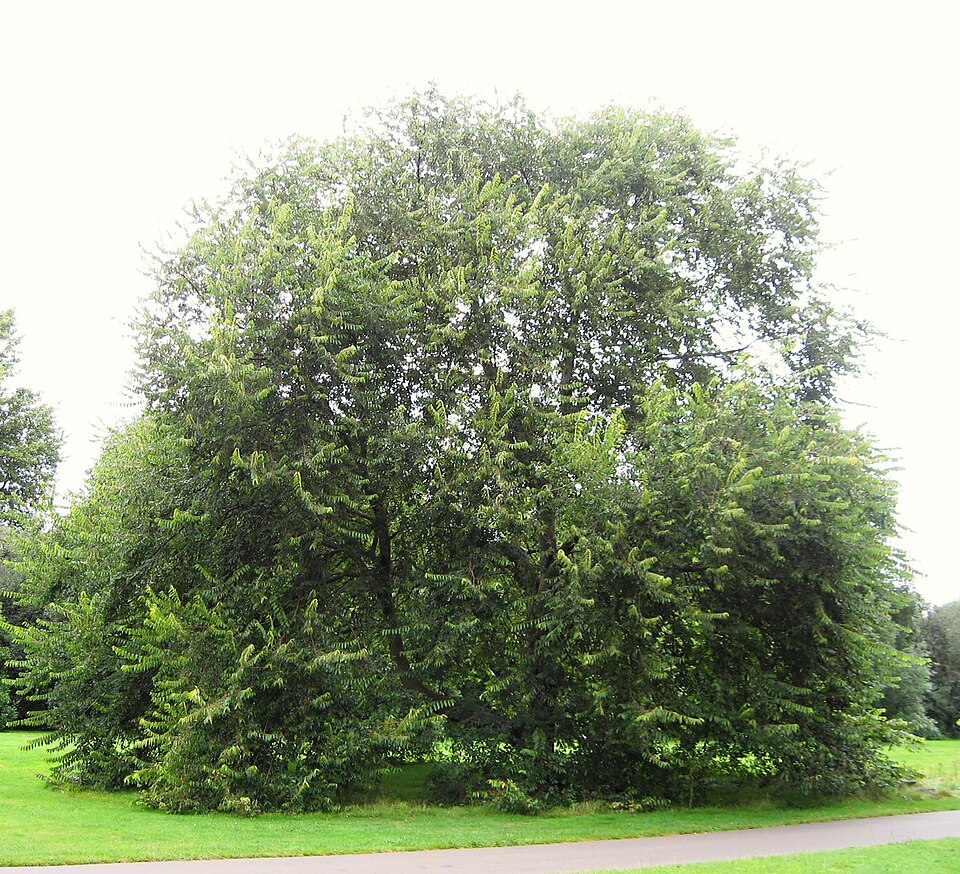
An elm tree. It grows 15 m tall. It is spreading and loses many of its leaves during the year. The branches tend to hang down. The trunk has smooth bark which flakes off showing orange brown patches. It has small leaves. The leaves are narrowly oval and 6 cm long by 4 cm wide. They are unequal at the base. The leaves are pointed and have sharp teeth. They are glossy dark green above with hairs underneath. They turn yellow, red, or purple in autumn. The flowers are very small and red. They are in clusters in the axils of leaves. The fruit is a small seed with wings. It is 8 mm long.
Edible Uses
Leaves can be eaten raw or cooked. Immature fruits, gathered just after forming, can be eaten raw or cooked. They have an aromatic, unusual flavour that leaves the mouth feeling fresh and the breath smelling pleasant, and contain approximately 34.4% protein, 28.2% fat, 17% carbohydrate and 5% ash. The inner bark has a mucilaginous texture and can be cooked; it is often dried, ground into a powder and used as a thickening agent in soups or mixed with cereal flour when making bread.
Traditional Uses
The young leafy shoots are eaten.
This uses section is brief — help expand it
Medicinal Uses
The leaves are antidote and lithontripic. The stem bark is demulcent, diuretic, expectorant, febrifuge, hypnotic and lithontripic. The flowers are used in the treatment of fevers and neuritis.
Distribution
It is a temperate plant. It is native to E. Asia and grows in rocky places. In China it grows below 800 m above sea level. It suits hardiness zones 5-10. Arboretum Tasmania.
Where It Grows
Africa, Asia, Australia, China, East Africa, Eswatini, India, Japan, Korea, Mozambique, North America, North Korea, SE Asia, South Africa, Southern Africa, Swaziland, Taiwan, Tasmania, USA, Vietnam, Zimbabwe,
Cultivation
Easily grown in any soil of at least moderate quality so long as it is well drained. Fairly tolerant of maritime exposure, it succeeds outdoors in a very exposed position at Rosewarne in N. Cornwall. Resistant to 'Dutch elm disease', a disease that has destroyed the greater part of all the elm trees growing in Britain. The disease is spread by a beetle. There is no effective cure (1992) for the problem, but most E. Asian, though not Himalayan, species are resistant (though not immune) to the disease so the potential exists to use these resistant species to develop new resistant hybrids with the native species. The various species hybridize freely, the pollen stores well and can be kept for use with species that flower at different times. Trees retain their leaves until early in the new year and in areas with mild winters will often retain them until new leaves are formed in the spring. A good companion for grapes. There are some named forms, developed for their ornamental value. 'Frosty' and 'Geisha' are small bushes whilst 'Pumila' is a minute bush for the rock garden.
Propagation
Sow seed in a cold frame as soon as it is ripe — it usually germinates within a few days. Stored seed germinates less reliably and is best sown in early spring. One to two months of stratification can improve germination rates. Seed can also be harvested green (fully developed but not yet dried on the tree) and sown immediately in a cold frame, where it will germinate quickly and produce a larger plant by the end of the season. Once large enough to handle, prick seedlings into individual pots and grow on in a greenhouse through their first winter. Plant out in late spring or early summer after the last expected frosts. Do not leave plants in a nursery bed for more than two years, as they develop a tap root and transplant poorly after that point. Propagation is also possible by layering suckers or coppiced shoots.
Other Uses
Fairly resistant to maritime exposure, this tree can be used in shelterbelt plantings. The wood is also used, though no further details are given.
Synonyms
Also Known As
Lang Yu
References (13)
- Ambasta, S.P. (Ed.), 2000, The Useful Plants of India. CSIR India. p 660
- Coombes, A.J., 2000, Trees. Dorling Kindersley Handbooks. p 309
- Cundall, P., (ed.), 2004, Gardening Australia: flora: the gardener's bible. ABC Books. p 1450
- Flora of China @ efloras.org Volume 5
- Hibbert, M., 2002, The Aussie Plant Finder 2002, Florilegium. p 304
Show all 13 references Hide references
- Hu, Shiu-ying, 2005, Food Plants of China. The Chinese University Press. p 354
- Kermath, B. M., et al, 2014, Food Plants in the Americas: A survey of the domesticated, cultivated and wild plants used for Human food in North, Central and South America and the Caribbean. On line draft. p 887
- Little, E.L., 1980, National Audubon Society Field Guide to North American Trees. Alfred A. Knopf. p 421
- Lord, E.E., & Willis, J.H., 1999, Shrubs and Trees for Australian gardens. Lothian. p 75
- Plants for a Future database, The Field, Penpol, Lostwithiel, Cornwall, PL22 0NG, UK. http://www.scs.leeds.ac.uk/pfaf/
- Pl. hort. schoenbr. 3:6, t. 262. 1798
- Swaziland's Flora Database http://www.sntc.org.sz/flora
- Valder, P., 1999, The Garden Plants of China. Florilegium. p 336