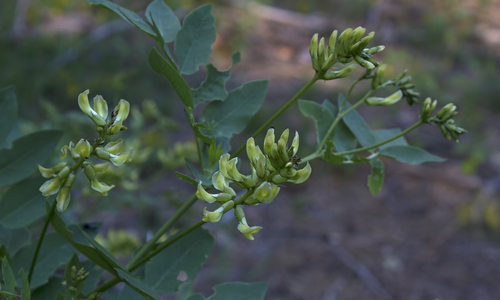
Trifolium pratense
L.
Red clover
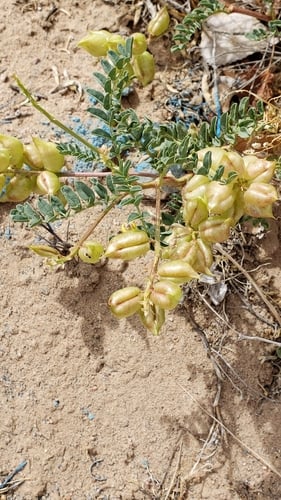
iNaturalist· cc-by-sa
(c) Andreas Rockstein, some rights reserved (CC BY-SA)
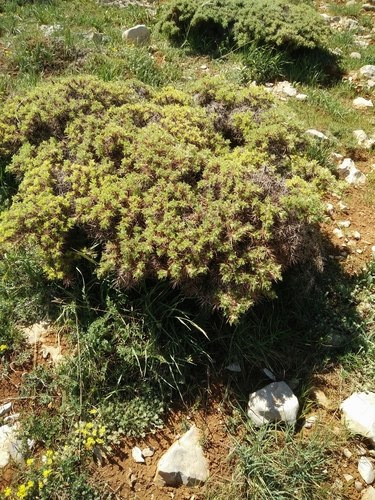
iNaturalist· cc-by-nc
(c) Ed Shaw, some rights reserved (CC BY-NC)
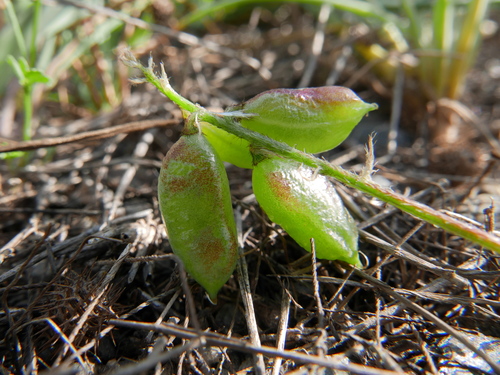
iNaturalist· cc-by-nc
(c) Hornbeam Arts, some rights reserved (CC BY-NC)
Summary
Source: WikipediaTrifolium pratense (from Latin prātum, meaning meadow), red clover, is a herbaceous species of flowering plant in the bean family, Fabaceae. It is native to the Old World, but planted and naturalised in many other regions.
Description
A herb. It keeps growing from year to year. It grows up to 40 cm high. The stems are hairy. It has a single taproot. The leaves have 3 leaflets. The leaflets are smooth and oval. They have a pale V shaped mark. The flowers are purplish-mauve of pink. They are rounded. The pods have 1 seed.
Edible Uses
Young leaves are best harvested before the plant flowers and can be used raw in salads or added to soups. Cooked alone, they make a good spinach-like vegetable. Dried leaves can be powdered and sprinkled over foods such as boiled rice, and impart a vanilla flavour to baked goods. Nutritionally, fresh leaves contain 81% water, 4g protein, 0.7g fat, 2.6g fibre, and 2g ash per 100g. The seed can be sprouted for salads, offering a crisp texture and more robust flavour than alfalfa (Medicago sativa). Seeds contain trypsin inhibitors that can interfere with protein-digesting enzymes, but these are normally destroyed by sprouting first. Flowers and seed pods can be dried, ground into flour, and young flowers are also good eaten raw in salads. The root is edible cooked. Fresh or dried flowers make a delicate, sweet herbal tea.
Traditional Uses
The leaves are cooked and eaten. They are boiled then fried. They can be used to make tea. The leaves and the flowers are dried and can also be added to salads. (It is not wise to eat too many.) A tea can be made from the flowers collected in the early morning. The flowers are also sucked. The sprouted seeds are eaten. CAUTION: It contains oestrogen-like isoflavones. It should not be eaten by women who are pregnant or by nursing mothers.
Medicinal Uses
Red clover has a long history of safe and effective medicinal use, particularly for skin conditions, usually combined with purifying herbs such as Arctium lappa and Rumex crispus. It is a folk remedy for breast cancer, with a concentrated decoction applied to the tumour site to encourage outward growth. Flavonoids in the flowers and leaves are oestrogenic and may help with menopausal complaints. The flowering heads are alterative, antiscrofulous, antispasmodic, aperient, detergent, diuretic, expectorant, sedative, and tonic, and poultices have been applied to cancerous growths. Internally, the plant is used for skin complaints (especially eczema and psoriasis), cancers of the breast, ovaries, and lymphatic system, chronic degenerative diseases, gout, whooping cough, and dry coughs. The plant is generally harvested as it comes into flower, with some sources stating only the flowers are used. The toxic indolizidine alkaloid slaframine is often found in diseased clover even when the plant shows no external symptoms; this alkaloid is being studied for antidiabetic and anti-AIDS activity.
Known Hazards
Diseased clover, even if no symptoms of disease are visible, can contain toxic alkaloids.
Distribution
It is a temperate plant. It suits high rainfall areas. In the Indian Himalayas it grows between 3,000-3,800 m above sea level. It suits hardiness zones 6-9. Tasmania Herbarium.
Where It Grows
Afghanistan, Africa, Andorra, Argentina, Armenia, Asia, Australia, Austria, Balkans, Belarus, Bosnia, Brazil, Britain, Canada, Caucasus, Central Asia, Chile, China, Dominican Republic, East Africa, Easter Island, Europe*, Falklands, Finland, Himalayas, Hungary, India, Indochina, Italy, Korea, Kyrgyzstan, Latvia, Lithuania, Luxembourg, Macedonia, Mediterranean, Moldova, Mongolia, Nepal, New Zealand, North America, Norway, Pakistan, Poland, Portugal, Mozambique, Russia, Scandinavia, SE Asia, Slovakia, Slovenia, South America, Spain, Sweden, Switzerland, Tajikistan, Tasmania, Turkey, Türkiye, Uruguay, USA, Vietnam, West Indies,
Cultivation
Succeeds in a moist, well-drained circum-neutral soil in full sun. Prefers a medium-heavy loam. A short-lived perennial. A very hardy plant, tolerating temperatures down to at least -23°c. A very important food plant for the caterpillars of many butterfly and moth species. It is also a good bee plant, but not so valuable as the white clover, T. repens. It grows well in an apple orchard, the trees will produce tastier fruit that stores better. It should not be grown with camellias or gooseberries because it harbours a mite that can cause fruit drop in the gooseberries and premature budding in the camellias. Very polymorphic, there are many subspecies and varieties. This species has a symbiotic relationship with certain soil bacteria, these bacteria form nodules on the roots and fix atmospheric nitrogen. Some of this nitrogen is utilized by the growing plant but some can also be used by other plants growing nearby. Buttercups growing nearby depress the growth of the nitrogen bacteria by means of a root exudate.
Propagation
Pre-soak seed for 12 hours in warm water, then sow in spring in situ. If seed is scarce, sow in pots in a cold frame instead. Prick seedlings out into individual pots when large enough to handle, and plant out in late spring. Can also be propagated by division in spring.
Other Uses
A yellow dye can be obtained from the flowers. The plant is a good green manure, particularly useful for over-wintering in mixtures with Lolium perenne. It is deep-rooting and produces good bulk, though it hosts clover rot and should not be used too frequently in the same ground. It can be undersown with cereals, though it may be too vigorous in some cases. It is also used in grass mixtures for land reclamation, where its strong nitrogen-fixing properties are valuable. Acts as a dynamic accumulator, gathering minerals and nutrients from the soil into a more bioavailable form for use as fertilizer or mulch.
Other Information
The nectar from the flowers is sucked by children. The flowers are foraged and used in restaurants on Sweden. It is sold in local markets. It is cultivated.
Notes
There are about 240 Trifolium species. They are mostly temperate.
Also Known As
Argud, Che-ba do, Chilean clover, Crvena djetelina, Chupamieles, Ereqnuk, Kana eshpet, Kirmizi yonca, Koniuczya, Nefil, Peavine clover, Purple clover, Rodklover, Rotklee, Shataala, Shotal, Trebol, Trebol morado, Trebol rojo, Trebol rosado, Trevo-dos-prados, Trevo-roxo, Trevo-vermelho, Trifoglio dei prati, Trifoi
References (65)
- Aceituno-Mata, L., et al, 2021, The Persistence of Flavor: Past and Present Use of Wild Food Plants in Sierra Norte de Madrid, Spain. Front. Sustain. Food Syst., 11 January 2021
- Ambasta, S.P. (Ed.), 2000, The Useful Plants of India. CSIR India. p 651
- Amin, M., et al, 2023, Edible wild plant species used by different linguistic groups of Kohistan Upper Khyber Pakhtunkhwa (KP), Pakistan. Journal of Ethnobiology and Ethnomedicine 19:6 p 13
- Benvenuti, S. & Mazzoncini, M., 2021, The Biodiversity of Edible Flowers: Discovering New Tastes and New Health Benefits. Frontiers in Plant Science Article 569499.
- Bhatia, H., et al, 2018, Traditionally used wild edible plants of district Udhampur, J&K, India. Journal of Ethnobiology and Ethnomedicine (2018) 14:73
Show all 65 references Hide references
- Bremness, L., 1994, Herbs. Collins Eyewitness Handbooks. Harper Collins. p 222
- Cakir, E. A., 2017, Traditional knowledge of wild edible plants of Iğdır Province (East Anatolia, Turkey). Acta Soc Bot Pol. 2017;86(4):3568
- Cerne, M., 1992, Wild Plants from Slovenia used as Vegetables. Acta Horticulturae 318
- Ciocarlan, N. & Ghendov, V., 2015, Ethnobotanical and Ecological Studies of Wild Edible Plants from Bugeac Steppe, Republic of Moldova. Journal of EcoAgriTourism. Cailta terra Vol. 11(2):
- Cormack, R. G. H., 1967, Wild Flowers of Alberta. Commercial Printers Edmonton, Canada. p 183
- Dashorst, G.R.M., and Jessop, J.P., 1998, Plants of the Adelaide Plains & Hills. Botanic Gardens of Adelaide and State Herbarium. p 90
- Denes, A., et al, 2012, Wild plants used for food by Hungarian ethnic groups living in the Carpathian Basin. Acta Societatis Botanicorum Poloniae 81 (4): 381-396
- Duke, J.A., 1992, Handbook of Edible Weeds. CRC Press. p 198
- Ertug, F, Yenen Bitkiler. Resimli Türkiye Florası -I- Flora of Turkey - Ethnobotany supplement
- Esperanca, M. J., 1988. Surviving in the wild. A glance at the wild plants and their uses. Vol. 1. p 243
- Evans, A.M., 1979, Clovers, in Simmonds N.W.,(ed), Crop Plant Evolution. Longmans. London. p 175
- Facciola, S., 1998, Cornucopia 2: a Source Book of Edible Plants. Kampong Publications, p 111
- Flora of Pakistan. www.eFloras.org
- Girard, N. J., 2020, Sustainable Foraging of Wild Edible Plants in Norway. A Biocultural Approach. M. Sc. thesis Norwegian University. p 131
- Gonzalez, J. A., et al, 2011, The consumption of wild and semi-domesticated edible plants in the Arribes del Duero (Salamanca-Zamora, Spain): an analysis of traditional knowledge. Genetic. Resour Crop Evolution 58:991-1006
- Hedrick, U.P., 1919, (Ed.), Sturtevant's edible plants of the world. p 654
- Hibbert, M., 2002, The Aussie Plant Finder 2002, Florilegium. p 301
- http://nordicfood lab/org/blog/2102/9/wild-edible-plants-an-overview
- Irving, M., 2009, The Forager Handbook, A Guide to the Edible Plants of Britain. Ebury Press p 240
- Jackes, D. A., 2007, Edible Forest Gardens
- Kermath, B. M., et al, 2014, Food Plants in the Americas: A survey of the domesticated, cultivated and wild plants used for Human food in North, Central and South America and the Caribbean. On line draft. p 876
- Kiple, K.F. & Ornelas, K.C., (eds), 2000, The Cambridge World History of Food. CUP p 1759
- Kolosova, V., et al, 2020, Foraging in Boreal Forest: Wild Food Plants of the Republic of Karelia, NW Russia. Foods 2020, 9, 1015; p 14
- Lamp, C & Collet F., 1989, Field Guide to Weeds in Australia. Inkata Press. p 309
- Lazarides, M. & Hince, B., 1993, Handbook of Economic Plants of Australia, CSIRO. p 240
- Low, T., 1991, Wild Herbs of Australia and New Zealand. Angus & Robertson. p 74
- Luczaj, L., 2012, Ethnobotanical review of wild edible plants of Slovakia. Acta Societatis Botanicorum Poloniae 81(4):245-255
- Luczaj, L. et al, 2012, Wild food plant use in 21st century Europe: the disappearance of old traditions and the search for new cuisines involving wild edibles. Acta Soc Bot Pol 81(4):359–370
- Luczaj, L. et al, 2013, Wild edible plants of Belarus: from Rostakinski's questionnaire of 1883 to the present. Journal of Ethnobiology and Ethnomedicine 9:21
- MacKinnon, A., et al, 2009, Edible & Medicinal Plants of Canada. Lone Pine. p 262
- Malezas Comestibles del Cono Sur, INTA, 2009, Buernos Aires
- Menendez-Baceta, G., et al, 2012, Wild edible plants traditionally gathered in Gorbeialdea (Biscay, Basque Country) Genetic Resources and Crop Evolution 59:1329-1347
- Michael, P., 2007, Edible Wild Plants and Herbs. Grub Street. London. p 63
- Molares, S. & Ladio, A., 2012, The Usefulness of Edible and Medicinal Fabaceae in Argentine and Chilean Patagonia: Environmental Availability and Other Sources of Supply. Evidence-Based Complementary and Alternative Medicine. Volume 2012, Article ID 901918, 12 pages, Hindawi Publishing Corporation.
- Ozbucak, T. B. et al, 2006, The Contribution of Wild Edible Plants to Human Nutrition in the Black Sea Region of Turkey. Ethnobotanical Leaflets 10: 98-103
- Paczkowska, G . & Chapman, A.R., 2000, The Western Australian Flora. A Descriptive Calatogue. Western Australian Herbarium. p 452
- Pardo-de-Santayana, M., et al, 2007, Traditional knowledge of wild edible plants used in the northwest of the Iberian Peninsula (Spain and Portugal): a comparative study. Journal of Ethnobiology and Ethnomedicine 2007, 3:27
- Pham-Hoang Ho, 1999, An Illustrated Flora of Vietnam. Nha Xuat Ban Tre. p 980
- Plants for a Future database, The Field, Penpol, Lostwithiel, Cornwall, PL22 0NG, UK. http://www.scs.leeds.ac.uk/pfaf/
- Polat, R., et al, 2017, Survey of wild food plants for human consumption in Bingol, (Turkey). Indian Journal of Traditional Knowledge. Vol. 16(3) July 2017, pp. 378-384
- Prakofjewa, J., et al, 2023, Boundaries Are Blurred: Wild Food Plant Knowledge Circulation across the Polish-Lithuanian-Belarusian Borderland. Biology 2023, 12, 571.
- Pruse, B., et al, 2021, Active Wild Food Practices among Culturally Diverse Groups in the 21st Century across Latgale, Latvia. Biology 2021, 10, 551.
- Redzic, S. J., 2006, Wild Edible Plants and their Traditional Use in the Human Nutrition in Bosnia-Herzegovina. Ecology of Food and Nutrition, 45:189-232
- Redzic, S., 2010, Use of Wild and Semi-Wild Edible Plants in Nutrition and Survival of People in 1430 Days of Siege of Sarajevo during the War in Bosnia and Herzegovina (1992–1995). Coll. Antropol 34 (2010) 2:551-570
- Sansanelli, S., et al, 2014, Wild food plants traditionall consumed in the area of Bologna (Emilia Romagna region, Italy). Journal of Ethnobiology and Ethnomedicine 10:69
- Schunko, C., et al, 2012, Intracultural variation of knowledge about wild plant uses in the Biosphere Reserve Grosses Walsertal (Austria). Journal or Ethnobiology and Ethnomedicine, 8:23
- Sharma, L. et al, 2018, Diversity, distribution pattern, endemism and indigenous uses of wild edible plants in Cold Desert Biosphere Reserve of Indian Trans Himalaya. Indian Journal of Traditional Knowledge. Vol 17(1) January 2018 pp 122-131
- Sp. pl. 2:768. 1753
- Stern, G., 1986, Australian Weeds. A Source of Food and Medicine. Harper & Row. p 167
- Svanberg, I., 2012, The use of wild plants as food in pre-industrial Sweden. Acta Societatis Botanicorum Poloniae 81(4): 317-327
- Tasmanian Herbarium Vascular Plants list p 32
- Tardio, J., et al, Ethnobotanical review of wild edible plants in Spain. Botanical J. Linnean Soc. 152 (2006), 27-71
- Upson, R., & Lewis R., 2014, Updated Vascular Plant Checklist and Atlas for the Falkland Islands. Falklands Conservation and Kew.
- Urgamal, M., Oyuntsetseg, B., Nyambayar, D. & Dulamsuren, Ch. 2014. Conspectus of the vascular plants of Mongolia. (Editors: Sanchir, Ch. & Jamsran, Ts.). Ulaanbaatar, Mongolia. “Admon“ Press. 334pp. (p. 121-143).
- van Wyk, B., 2005, Food Plants of the World. An illustrated guide. Timber press. p 243
- van Wyk, Ben-Erik, 2019, The diversity and multiple uses of southern African legumes. Australian Systematic Botany, 2019, 32, 519–546
- Wiersema, J. H. & Leon, B., 2013, World Economic Plants. A Standard Reference CRC Press. 2nd Ed. p 695
- World Checklist of Useful Plant Species 2020. Royal Botanic Gardens, Kew
- www.wildediblefood.com
- Zizka, G., 1991, Flowering Plants of Easter Island. Palmarum Hortus Francofurtensis