Pterocarpus santalinus
L. f.
Red sandalwood, Red sanders
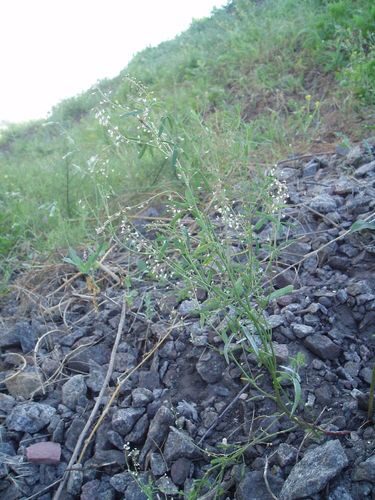
iNaturalist· cc-by-nc
(c) V.Arun, some rights reserved (CC BY-NC), uploaded by V.Arun
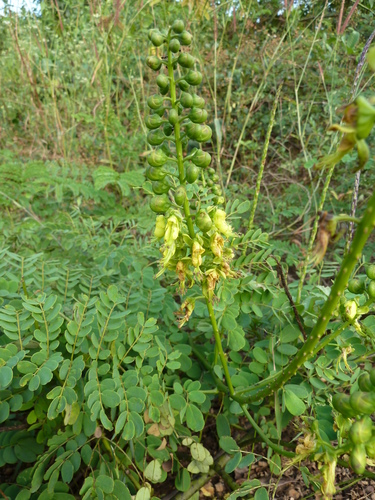
iNaturalist· cc-by-nc
(c) shivaprakash, some rights reserved (CC BY-NC)
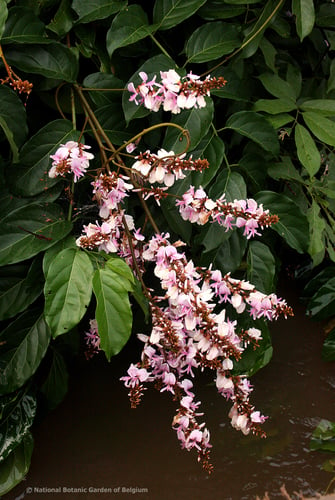
iNaturalist· cc-by-sa
(c) Forestowlet, some rights reserved (CC BY-SA)
Summary
Source: WikipediaPterocarpus santalinus, with the common names red sanders, red saunders, Yerra Chandanam, Chenchandanam, red sandalwood, Rakta Chandana, and rakto chandon, is a species of Pterocarpus endemic to the southern Eastern Ghats mountain range of South India. It is known for its red colour and has been used for furniture, musical instruments, and traditional herbal medicine. Because of the high market value for its timber, the species has been overexploited, and illegal trade remains a problem. It is listed as Near Threatened on the IUCN Red List. It should not be confused with the aromatic Santalum sandalwood trees native to southern India.
Description
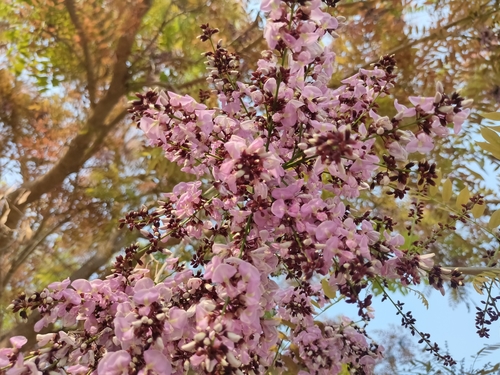
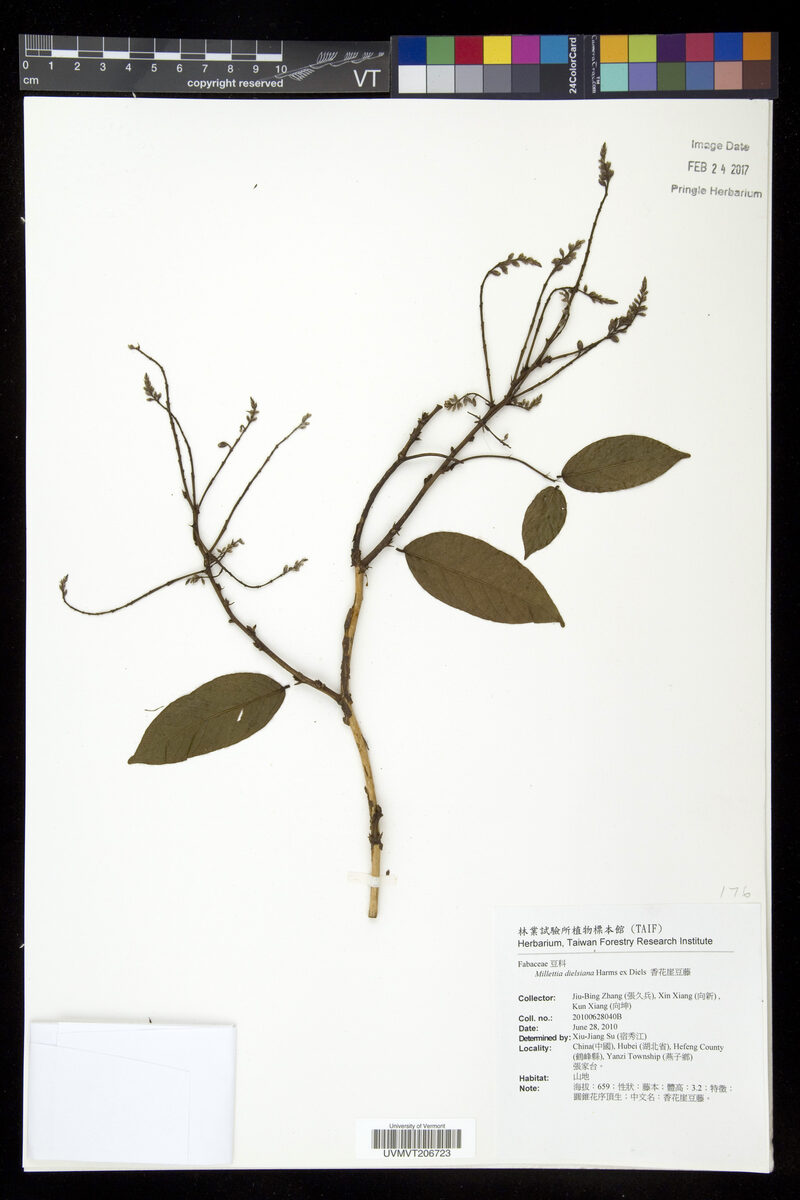
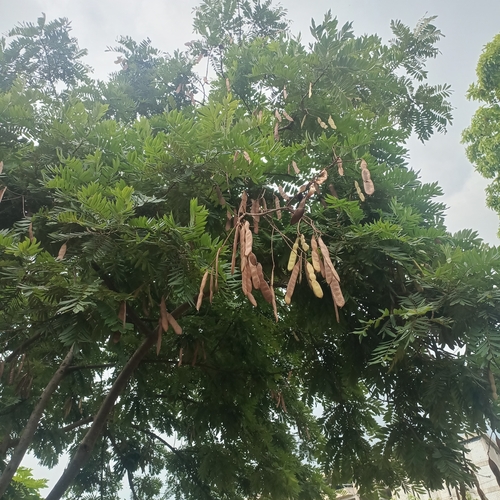
A tree. It grows 8 m tall. The trunk is 50-150 cm across. The leaves are alternate and 3-9 cm long. They have 3 leaflets. The flowers are in long groups. The fruit is a pod 6-9 cm long with one or two seeds.
Edible Uses
The wood is ground into a powder and used as a red food colouring in spices, sauces, jellies, and other foods.
Traditional Uses
The wood is ground to a powder and used as a red food colouring. It is used in spices, sauces, jellies and other foods.
This uses section is brief — help expand it
Medicinal Uses
Pterocarpus santalinus is used in traditional herbal medicine as an antipyretic, anti-inflammatory, anthelmintic, tonic, hemorrhage, dysentery, aphrodisiac, anti-hyperglycaemic and diaphoretic.
Distribution
It is a tropical plant. It is killed by frost.
Where It Grows
Asia, Bangladesh, Bhutan, Himalayas, India, Indochina, Laos, Myanmar, SE Asia, Sri Lanka,
Cultivation
Pterocarpus santalinus is a tree of tropical areas with a distinct dry season, where it is found at elevations from 150 - 1,000 metres. It grows best in areas where the mean annual temperature is within the range 26 - 32°c, but can tolerate 7 - 46°c. It is killed by temperatures falling below 0°c. It prefers a mean annual rainfall of 1,000 - 1,900mm, tolerating 875 - 2,800mm. Grows best in a sunny position. Prefers a medium to light, acid soil, succeeding in soils of low fertility. Prefers a pH in the range 5 - 5.5, but tolerates 4.5 - 6.5. natural fruit set is a consequence of pollinator activity The pollination ecology is vulnerable to the dry and hot conditions of the tree's native habitat, with most pollinator activity occurring.during moonlit night and early morning hours. Self-compatibility through geitonogamy is virtually inevitable in order for the species to produce fruits in situations when pollinators are scarce. The shoots of young trees usually die off each year in the hot, dry season, though the roots increase in size. Eventually the shoots become strong enough to withstand the hot, dry winds and the plant then develops into a tree. The trees mature and are cut when around 100-120 years old. The trees respond well to coppicing, and also produce suckers. A coppice rotation of about 40 years is often practiced, though in some areas the tree is only allowed to grow for 3 years before being coppiced and the dye extracted. This species has a symbiotic relationship with certain soil bacteria, these bacteria form nodules on the roots and fix atmospheric nitrogen. Some of this nitrogen is utilized by the growing plant but some can also be used by other plants growing nearby.
Other Uses
Santalin, a red colouring material, is obtained from the dark red to black heartwood. A deep red dye, it is used locally and commercially for colouring silk, cotton etc and as caste sign. It is also used to colour foods and pharmaceutical preparations. The extracted oil is used as a rejuvenating face cream. An extract of the stem is used as a hair conditioner in commercial cosmetic productions An extract of the wood is used as an astringent and tonic in commercial cosmetic preparations. The wood powder is used as a skin conditioner in commercial cosmetic preparations. The wood is used as an incense base, both for its fragrance in Myanmar and also as Tibetan medicine The wood and bark are sources of tannin. A fibre is obtained from the inner bark. It is reddish in colour, composed of quite fine filaments with moderate strength. A twisted cord of the fibre, about the size of common manila-paper twine, would show about the same tenacity. It would doubtless make a good paper stock, if it could be cheaply extracted and in large quantities. The heartwood is orange-red when first cut, turning dark claret-red to almost black; the sapwood is white. The wood is heavy and extremely hard. A beautiful and valuable wood, the fragrant, red heartwood is used for expensive furniture, cabinet making, musical instruments, carving etc, whilst it is also valued for carpentry, agricultural implements, fence posts etc. The wood is much used for carving statues etc. Wood with a wavy grain has very unusual acoustic properties and is in high demand in Japan for the manufacture of 'shamisen' a traditional musical instrument. Grown as a windbreak tree for Citrus plantations.
Production
It is fast growing.
Notes
Check Bhutan reference.
Also Known As
Natha-ni, Tsan-dan-d, kar-po
References (3)
- Facciola, S., 1998, Cornucopia 2: a Source Book of Edible Plants. Kampong Publications, p 110
- Suppl. pl. 318. 1782 ("1781")
- Yeshi, K. et al, 2017, Taxonomical Identification of Himalayan Edible Medicinal Plants in Bhutan and the Phenolic Contents and Antioxidant Activity of Selected Plants. TBAP 7 (2) 2017 pp 89 - 106