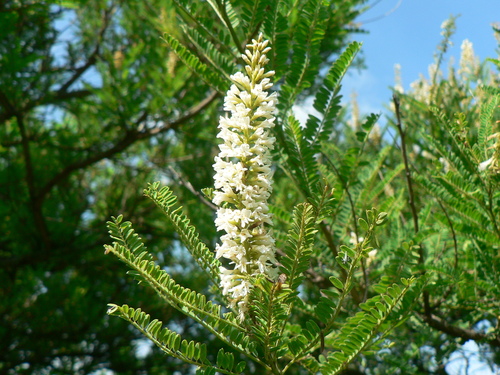
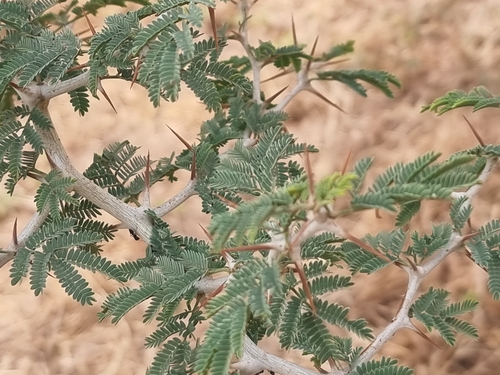
Pterocarpus osun
Craib
wikimedia· cc-by-sa
Wikimedia Commons - Vinayaraj
wikimedia· cc-by-sa
Wikimedia Commons - User:Ragesoss
Summary
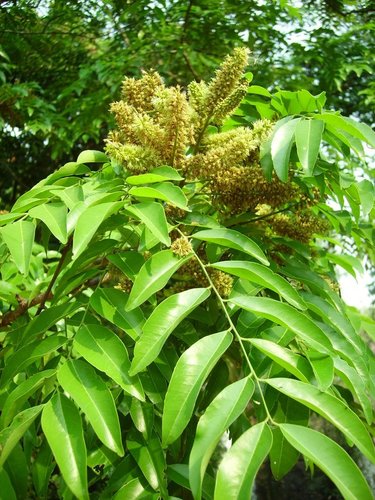
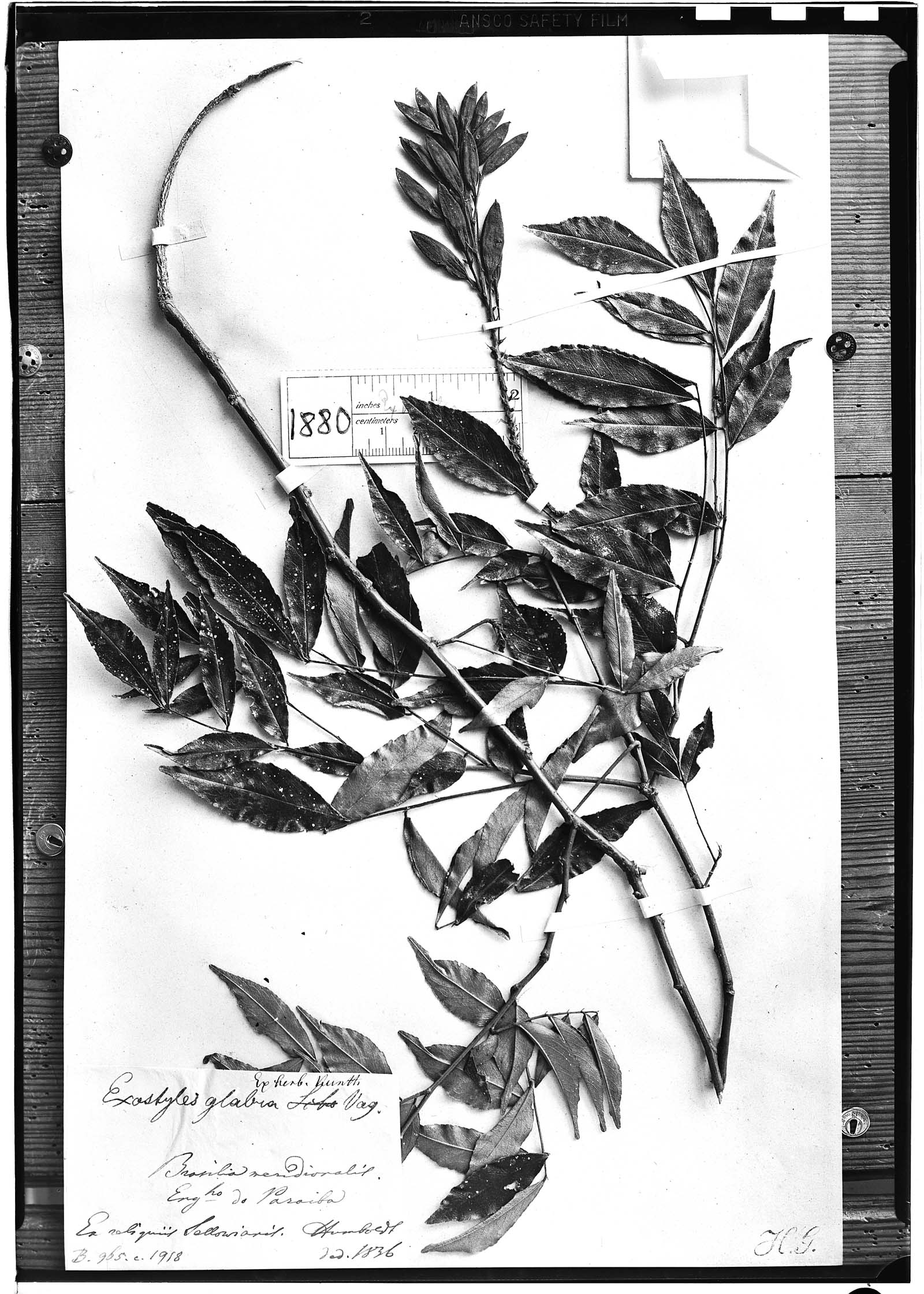
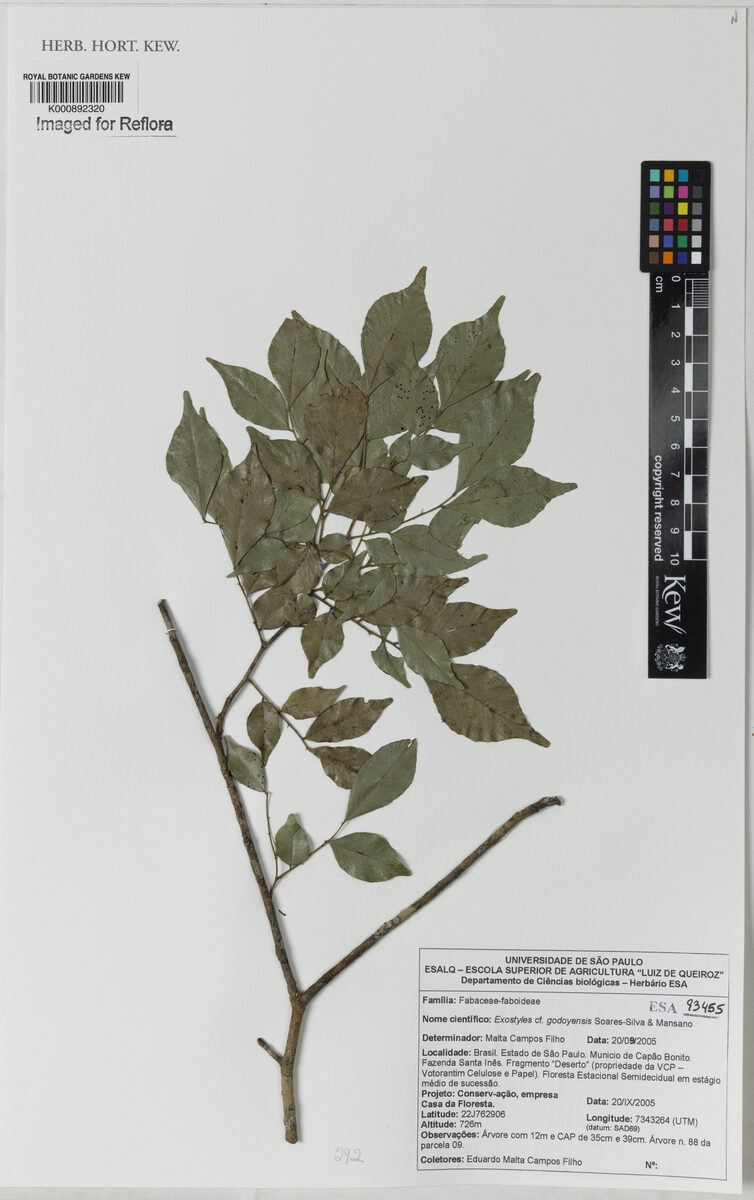
Source: WikipediaPterocarpus osun is a species of tree which occurs primarily in the wet tropical biome of West Central Africa.
Description
A tropical tree in the legume family (Fabaceae) with winged pods approximately 15 cm across.
This description is brief — help expand it
Edible Uses
The leaves and seeds are eaten.
Medicinal Uses
The resin is astringent. It is used in the treatment of diarrhoea and dysentery. The stem is an ingredient of traditional medicines against sickle-cell disorder and amenorrhoea. The powdered stem is applied topically to treat skin diseases, to prevent infections of the freshly severed umbilical cord, to treat stiff joints, sprains and rheumatic complaints, and to promote healing of fractured bones. In-vitro antimicrobial properties of the stem have been demonstrated. Stem extracts showed antioxidant activity, and could induce a depigmenting effect and replace synthetic cosmetic formulations.
Distribution
A tropical plant.
Where It Grows
Africa, Central Africa, Central African Republic, CAR, Nigeria, West Africa,
Cultivation
Plants can be grown by seeds or cuttings.
Other Uses
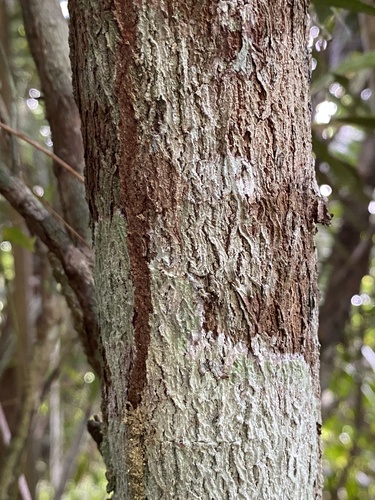
A resin is obtained from the tree. It contains tannin. The reddish sap from the bark is used for dyeing such items as traditional sculptures. The heartwood, bark and roots are pounded into a paste and used to colour the skin. The wood contains red pigments of the santarubin and santalin groups. These can be used as histological stains. The heartwood is bright red, becoming a purplish-brown upon exposure to light; it is clearly demarcated from the 6 - 10cm wide band of sapwood. The texture is coarse; the grain straight or interlocked. The wood is moderately heavy to heavy; hard to very hard; very durable, being very resistant to fungi, dry wood borers and termites. It seasons somewhat slowly, but with very little risk of checking or distortion; once dry it is stable in service. It has a fairly high blunting effect, so stellite tipped and tungsten carbide tools are recommended; the interlocked grain can lead to difficulties when planing etc; nailing and screwing are generally good, but require pre-boring and there is a risk of thinner boards splitting; gluing is correct, but requires care due to the density of the wood. It is a good quality wood that is used for high-end uses such as furniture, cabinet making, turnery, carving etc, as well as for heavy duty purposes such has heavy construction, ship building, hydraulinc works (including in sea water), joinery, railway sleepers etc. The bole is used traditionally to make dugout canoes and the wood for carpentry, drums and walking sticks.
Notes
Also as Papilionaceae.
Also Known As
Mbel oswe, Osun, Ume
References (6)
- Bosch, C.H., 2004. Pterocarpus mildbraedii Harms. [Internet] Record from Protabase. Grubben, G.J.H. & Denton, O.A. (Editors). PROTA (Plant Resources of Tropical Africa), Wageningen, Netherlands. < http://database.prota.org/search.htm>. Accessed 22 October 2009.
- Bull. Misc. Inform. Kew 1910:329. 1910
- Ezeagu, I. E. et al, 2002, Seed protein and nitrogen-to-protein conversion factors for some uncultivated tropical plant seeds. Food Chemistry 78:105-109
- INFOODSUpdatedFGU-list.xls
- Okigbo, B.N., Vegetables in Tropical Africa, in Opena, R.T. & Kyomo, M.L., 1990, Vegetable Research and development in SADCC countries. Asian Vegetable Research and development Centre. Taiwan. p 42
Show all 6 references Hide references
- Vivien, J. & Faure, J.J., 1985, Abres des forets dense d'Afrique Centrale. Agence de Cooperation Culturelle et Technique. Paris. p 356