Pterocarpus lucens subsp. antunesii
(Taub.) Rojo
Small-leaf bloodwood
iNaturalist· cc0
no rights reserved
iNaturalist· cc-by-nc
(c) Francois du Randt, some rights reserved (CC BY-NC), uploaded by Francois du Randt
iNaturalist· cc-by-nc
(c) Ehren, some rights reserved (CC BY-NC), uploaded by Ehren
Description
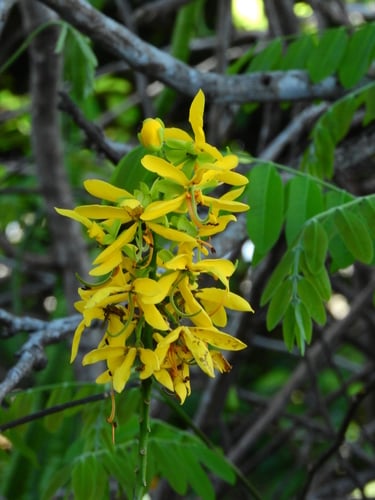
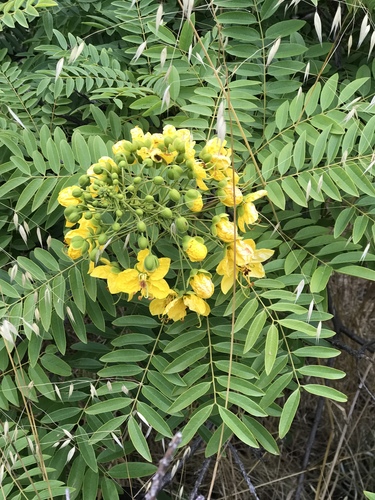
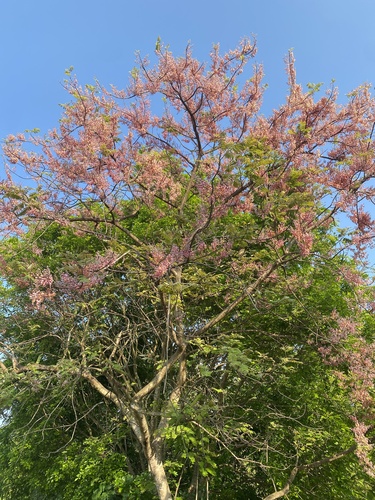
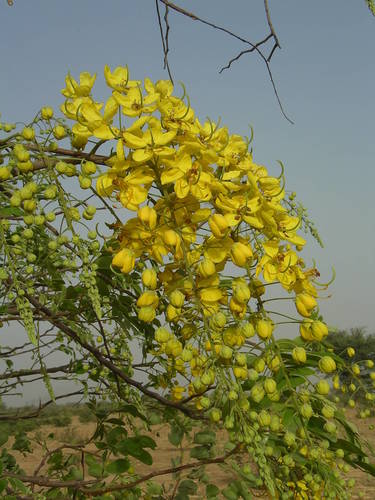
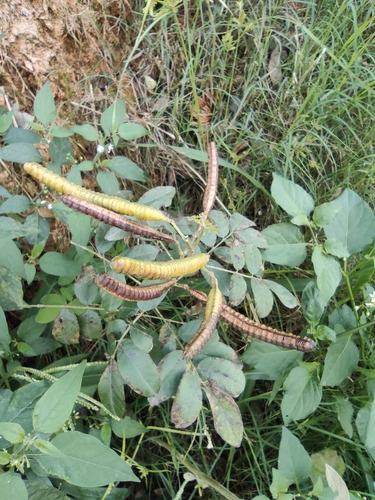
A small tree or shrub. The bark is pale and mottled. It flakes off. The young branches can have spines at their tips. The leaves have 4 pairs of leaflets and a leaflet at the end. The leaflets are oval. They are 3 cm long by 2 cm wide. They are light green. They are unequal at the ends. The flowers are in long loose sprays. These are at the ends of branches. The flowers are yellow and have a sweet scent. The fruit is a small flattened pod. It is oval and 5 cm long by 3 cm wide. It is swollen over the single seed. There is a thick wing around it.
Edible Uses
The leaves and buds are eaten.
Distribution
It is a tropical plant. It grows in deciduous woodland. It is usually on deep sandy soils. It can form thickets. In Zimbabwe it grows up to 1,000 m above sea level.
Where It Grows
Africa, Botswana, East Africa, Mozambique, Southern Africa, Zambia, Zimbabwe,
Synonyms
Also Known As
Muaxga, Muxiviri, Ungune
References (4)
- Grivetti, L. E., 1980, Agricultural development: present and potential role of edible wild plants. Part 2: Sub-Saharan Africa, Report to the Department of State Agency for International Development. p 71 (As Pterocarpus antunesii)
- Peters, C. R., O'Brien, E. M., and Drummond, R.B., 1992, Edible Wild plants of Sub-saharan Africa. Kew. p 136
- Scudder, 1971,
- Storrs, A. E. C., 1995 reprint, Know Your Trees. Some Common Trees found in Zambia, Forestry Division. Regional Soil Conservation Unit, Nairobi, p 181