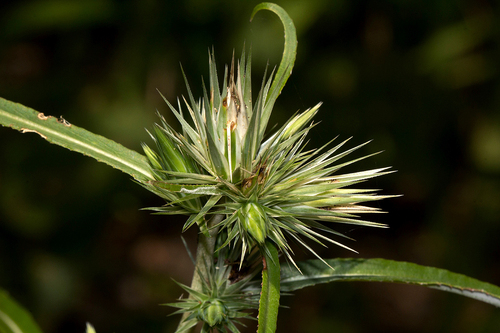
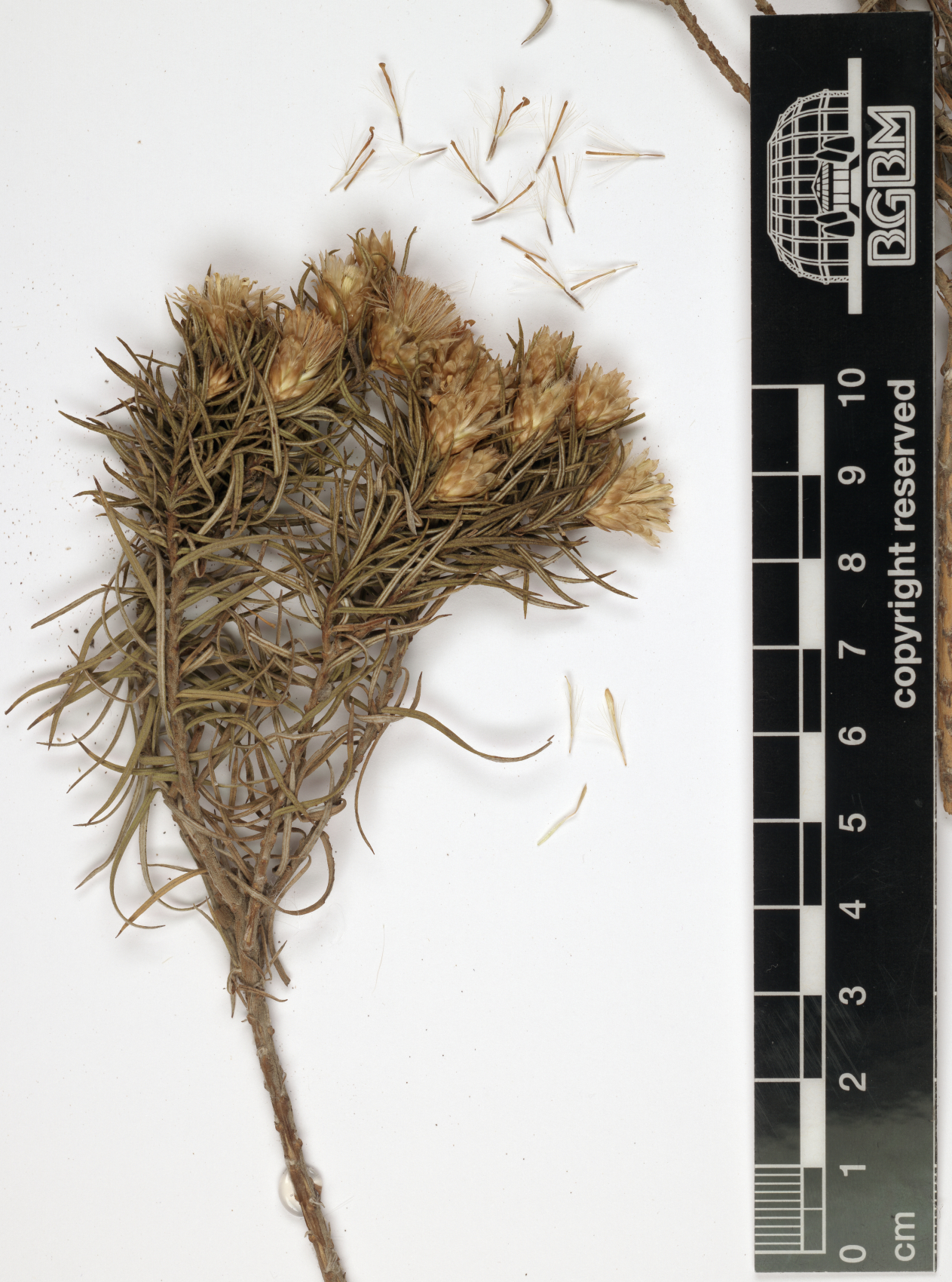
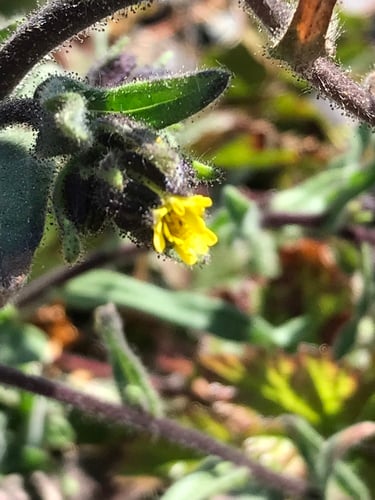
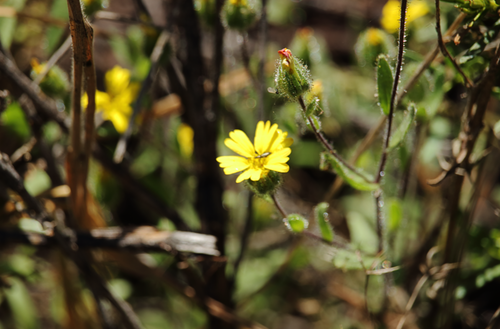
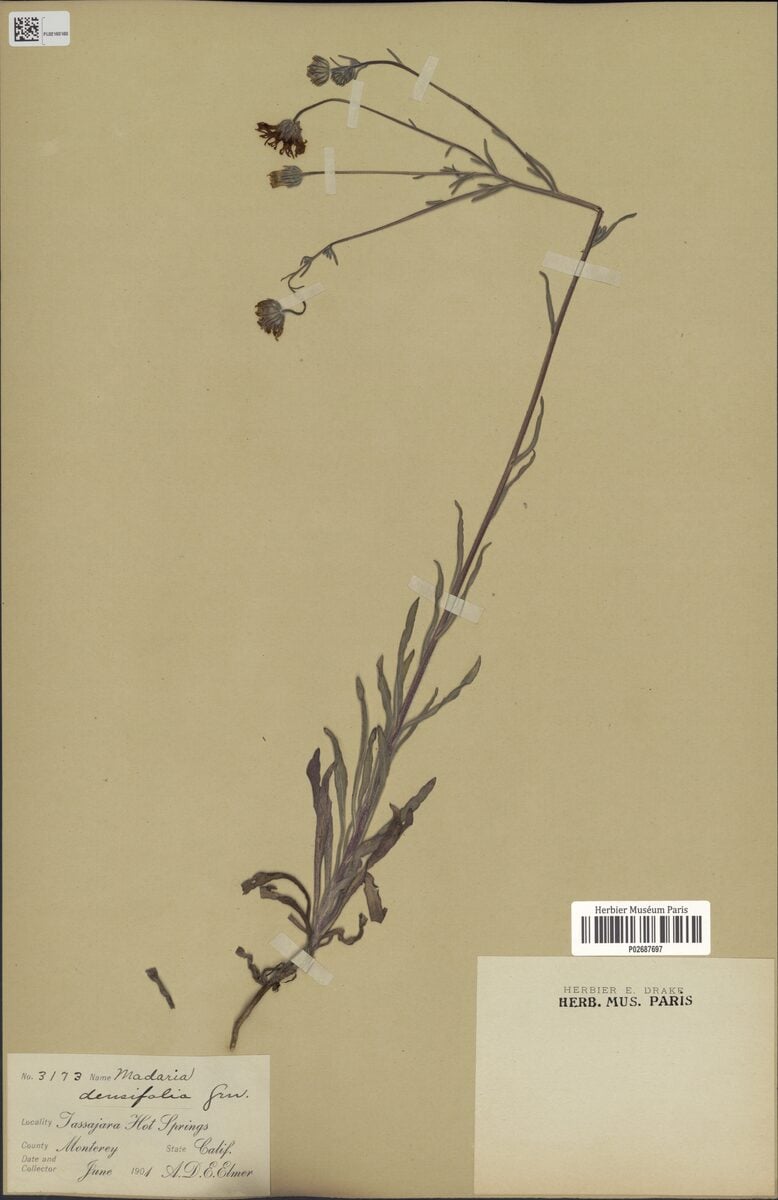
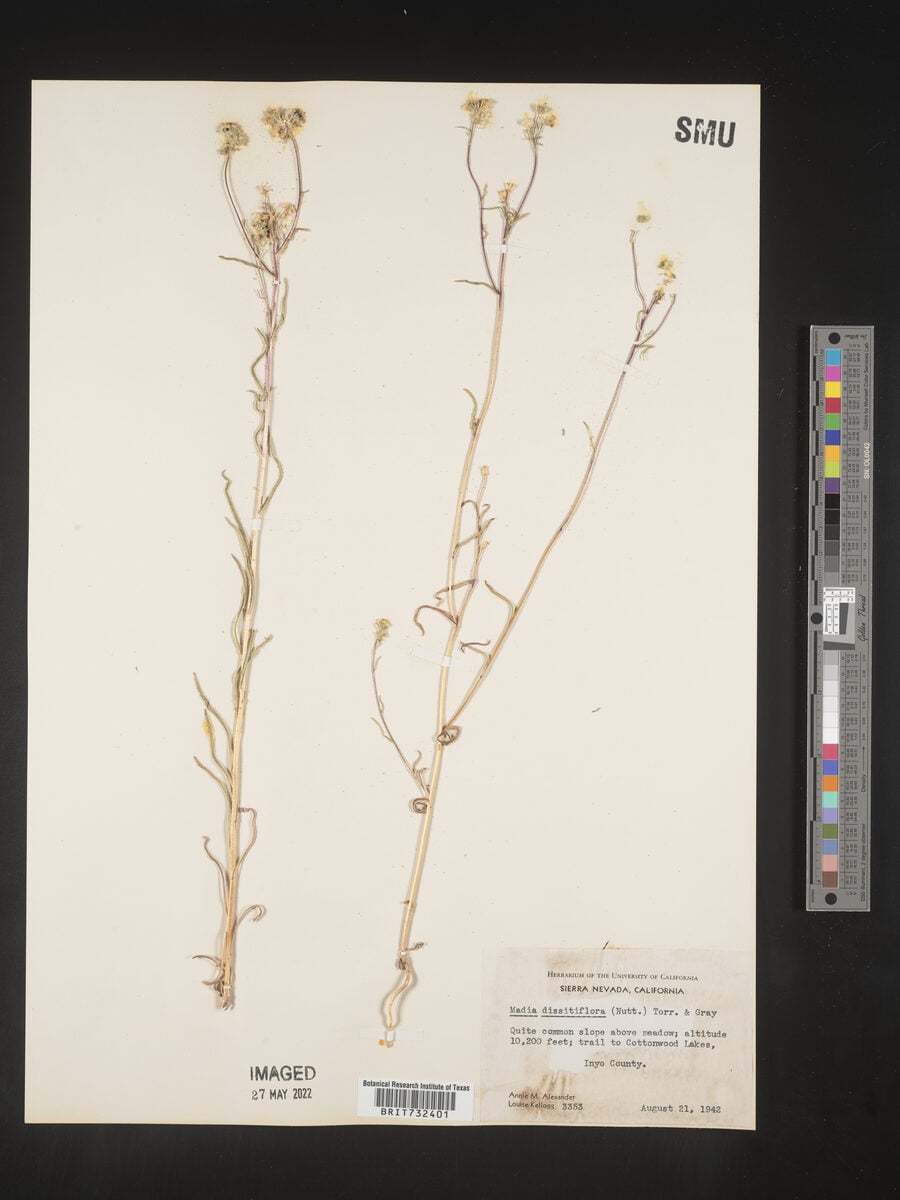
Tragopogon coloratus
C. A. Mey.
iNaturalist· cc-by-nc
(c) alexander1951, some rights reserved (CC BY-NC)
Summary
Source: WikipediaBiennial reaching 0.5 m tall. Hermaphroditic and insect-pollinated. Grows in light sandy, medium loamy, and heavy clay soils, preferring well-drained conditions. Adapts to mildly acid, neutral, and basic pH. Requires full sun and prefers moist soil.
Description
Biennial reaching 0.5 m tall. Hermaphroditic and insect-pollinated. Grows in light sandy, medium loamy, and heavy clay soils, preferring well-drained conditions. Adapts to mildly acid, neutral, and basic pH. Requires full sun and prefers moist soil.
Edible Uses
One report notes the plant is used as a vegetable without specifying which part. Based on other members of this genus, the root and young shoots are likely edible.
Traditional Uses
The leaves are cooked in stews and fried and also eaten raw in salads. A chewing gum is made from the latex.
This uses section is brief — help expand it
Medicinal Uses
None known.
Distribution
It is a temperate plant.
Where It Grows
Armenia, Caucasus, Europe, Turkey, Türkiye,
Cultivation
We have very little information on this species and do not know if it will be hardy in Britain, though judging by its native range it should succeed outdoors in many parts of the country. The following notes are based on the general needs of the genus. Succeeds in ordinary garden soils, including heavy clays.
Propagation
Sow seed in spring directly in situ. Water in well if the weather is dry.
Other Uses
None known.
Other Information
It is sold in local markets.
Notes
There are about 50 Tragopogon species.
Also Known As
Atyemligi, Qoshmoruk, Sindz, Siping
References (5)
- Cakir, E. A., 2017, Traditional knowledge of wild edible plants of Iğdır Province (East Anatolia, Turkey). Acta Soc Bot Pol. 2017;86(4):3568
- Ertug, F, Yenen Bitkiler. Resimli Türkiye Florası -I- Flora of Turkey - Ethnobotany supplement
- Mukemre, M., et al, 2016, Survey of wild food plants for human consumption in villages of Catak, (Van-Turkey), Indian Journal of Traditional Knowledge. Vol. 15(2) pp. 183-191
- Nanagulyan, S., et al, 2020, Wild plants and fungi sold in the markets of Yerevan (Armenia). Journal of Ethnobiology and Ethnomedicine 16:26
- Plants for a Future database, The Field, Penpol, Lostwithiel, Cornwall, PL22 0NG, UK. http://www.scs.leeds.ac.uk/pfaf/